
Specialist Re-plastering
Dublin Re-Plastering
Specialists
Damp Proofing Dublin replastering service is the perfect complement to our damp and mould remediation services. In most of our damp repairs, we remove damp and mould damaged plaster and apply fresh water-resistant render and plaster.
Replastering of damp walls is an important step of a full remediation service following the damp proofing. Our objective with all clients is to remove the source of the damp problems, and repair the visual appearance of the affected walls. However, we also want our clients to be confident the problem will not return weeks or months after. When necessary the replastering is an essential step of the repair process.
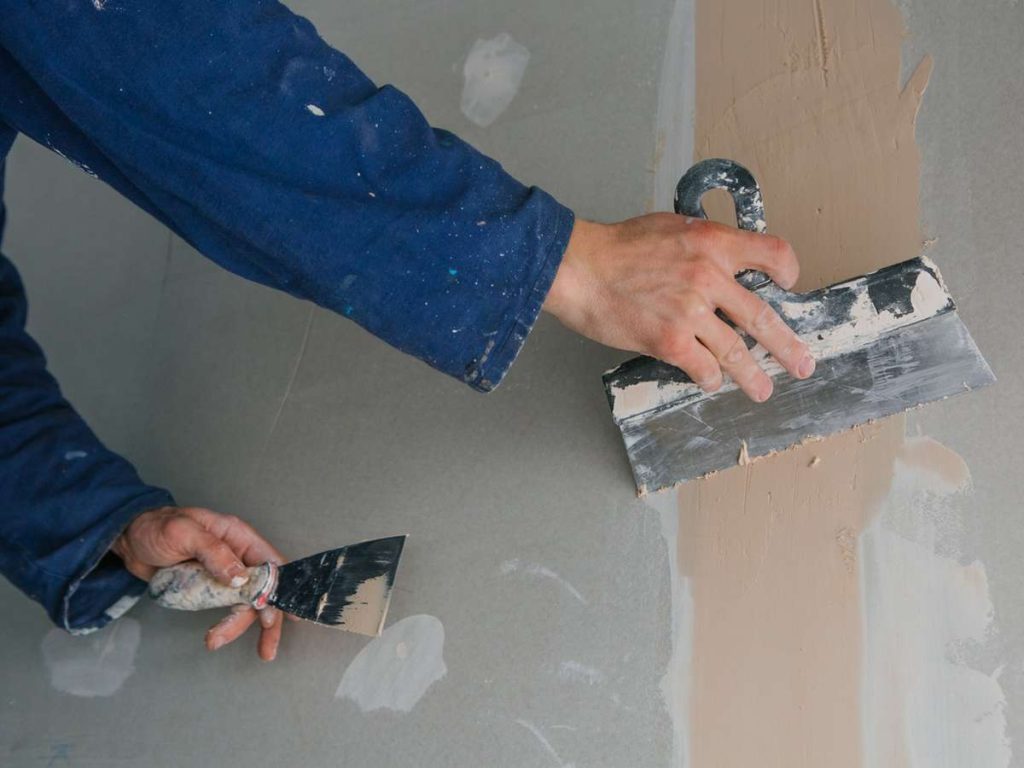
Why Replastering Damp Walls is Necessary?
Our post-damp replastering service is important for multiple reasons. It is not only about repairing the visual damage caused by dampness. While repairing the appearance of damaged walls is important, ensuring that the underlying problems do not return causing further damage and cost is the primary concern.
Ensuring the root cause of the moisture damage is resolved is the only way to ensure a safe, healthy, and comfortable environment alongside the visual aesthetic restoration improvements.
Replacing Damp Wall Plaster in Dublin
Cracks, Bubbling & Blistering
Structural damage to the plaster occurs where water and moisture have been contact with the wall and subsequently been absorbed.
Musty odor
Dampness often produces a musty or moldy smell. If you detect an unpleasant odor in the affected area, it may indicate dampness.
Dampness and Water Stains
Visible yellow stains on walls show exactly where the moisture has reached when moving through the plaster. Where the plaster is damp to the touch, mould will likely be already present due to the plaster’s inability to repel moisture.
Salt Deposits
Dampness can dissolve salts in the wall material, and when the moisture evaporates, these salts may be left behind on the surface, appearing as white or efflorescent deposits. The risk of not replacing wall plaster that has been affected by damp, is that salt deposits from the moisture will remain in the wall attracting damp problems after the work is completed.