
Rising Damp Treatment
Rising Damp Treatment Specialists
At Damp Proofing Dublin, we provide professional rising damp treatment for homeowners, landlords, contractors and property professionals. Our approach begins by identifying the cause and extent of the damp before recommending the most suitable treatment for the property.
Whether you have noticed damp patches, peeling paint, damaged plaster, staining or salt deposits along the lower sections of your walls, we can help investigate the problem and advise on the appropriate solution.
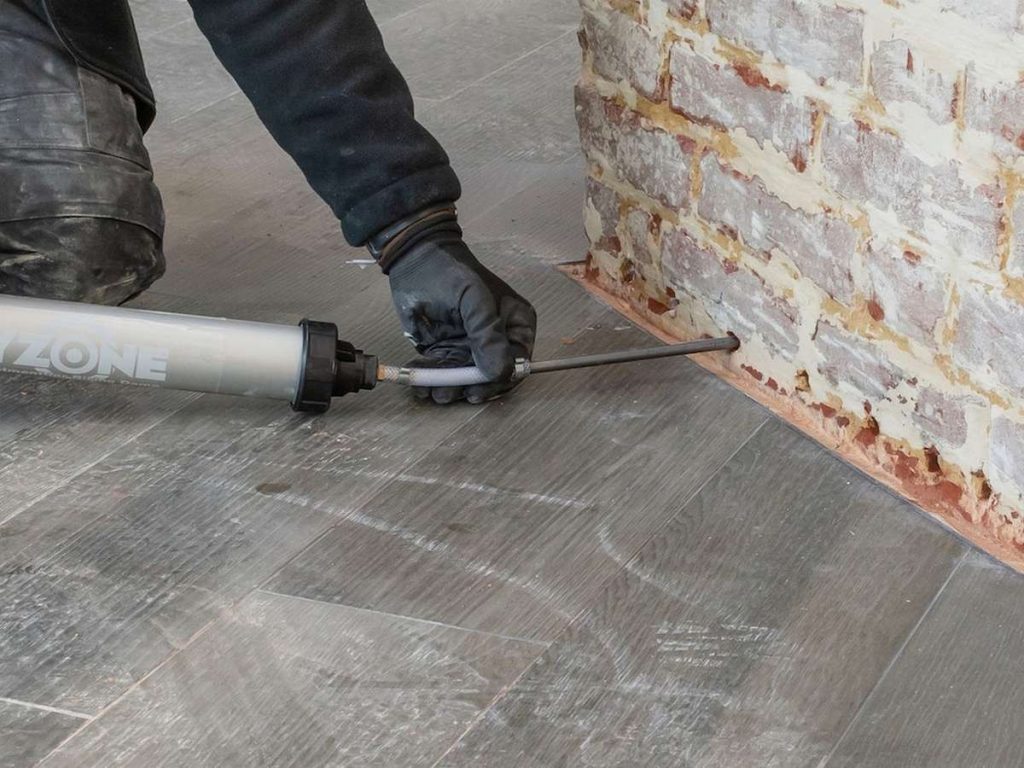
Rising Damp Treatment Dublin
Our rising damp treatment service is designed to address moisture entering walls from ground level. The appropriate treatment will depend on factors such as the construction of the building, the condition of the existing damp-proof course, the extent of the moisture and any damage that has already occurred.
Where appropriate, remedial damp proofing may involve the installation or renewal of a damp-proof barrier to help prevent further moisture from travelling upwards through the wall.
However, treating rising damp is not simply a matter of dealing with the visible signs. Damaged plaster and contaminated materials may also need attention once the source of the moisture has been addressed.
We assess each property individually and provide recommendations based on the specific circumstances rather than applying the same solution to every building.
What Is Rising Damp?
Rising damp occurs when groundwater is absorbed into the porous materials of a building and travels upwards through the walls. Most modern buildings are designed with a damp-proof course (DPC), which acts as a barrier to prevent moisture from rising through the structure.
When a damp-proof course is missing, damaged, bridged or no longer functioning correctly, moisture may be able to move upwards into the wall. Older properties can be particularly susceptible, although rising damp can occur in buildings of various ages when conditions allow moisture to enter the structure.
The visible signs can vary depending on the construction of the property and the severity of the problem. A professional assessment can help distinguish rising damp from other causes of moisture, such as condensation or penetrating damp.
Signs of Rising Damp
Recognising the signs of rising damp early can help prevent further damage to your property. Common indicators include:
- Damp or discoloured patches near the bottom of internal walls
- Peeling or blistering paint
- Crumbling or damaged plaster
- White or powdery salt deposits on walls
- Flaking wallpaper
- A musty smell in affected areas
- Deterioration of skirting boards or timber
- Dampness extending upwards from floor level
Not every damp patch is caused by rising damp. Condensation, plumbing leaks and penetrating damp can produce similar symptoms. This is why identifying the actual source of moisture is an important part of any effective damp treatment.
Request a Free Quote
Damage Caused by Rising Damp
Persistent moisture can have a damaging effect on building materials. Plaster can become stained, loose or deteriorated, while paint and wallpaper may begin to peel or blister.
Timber components close to affected areas may also be exposed to prolonged moisture. In more serious cases, ongoing damp can contribute to deterioration of building materials and create conditions where mould or fungal growth can occur.
The longer a moisture problem remains unresolved, the greater the potential for further deterioration. Addressing the underlying source of damp can therefore be an important part of maintaining the condition of your property.
Rising Damp in Older Dublin Properties
Older buildings can have different construction methods and materials from more modern properties. Some may have limited damp-proofing, while others may have experienced alterations to floors, walls, external ground levels or drainage over the years.
These factors can make diagnosing moisture problems more complicated. A damp patch in an older property does not automatically mean rising damp, which is why a proper assessment is important before treatment begins.
Our experience with different types of properties allows us to consider the building as a whole when investigating moisture problems.
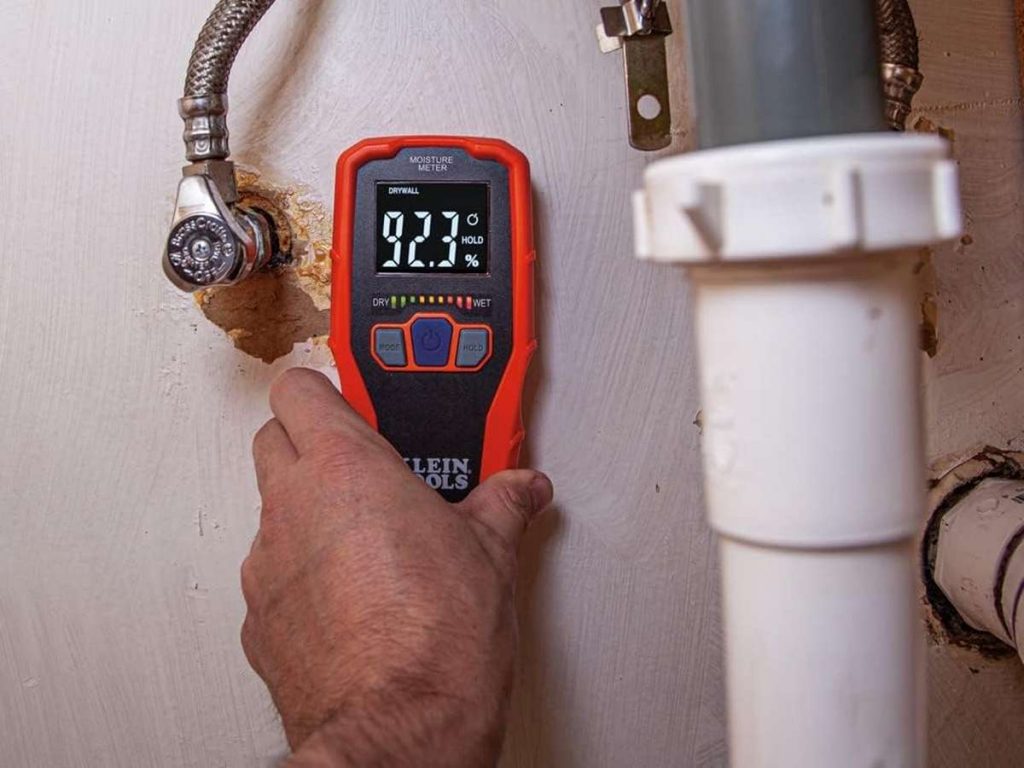
A damp survey can help establish what is causing moisture within your property. This is particularly important because different types of damp require different approaches.
During an assessment, the affected areas can be examined for visible signs of moisture, damage and deterioration. The construction of the building and potential sources of water ingress should also be considered.
A thorough assessment can help distinguish rising damp from penetrating damp and condensation, reducing the risk of carrying out unnecessary work.
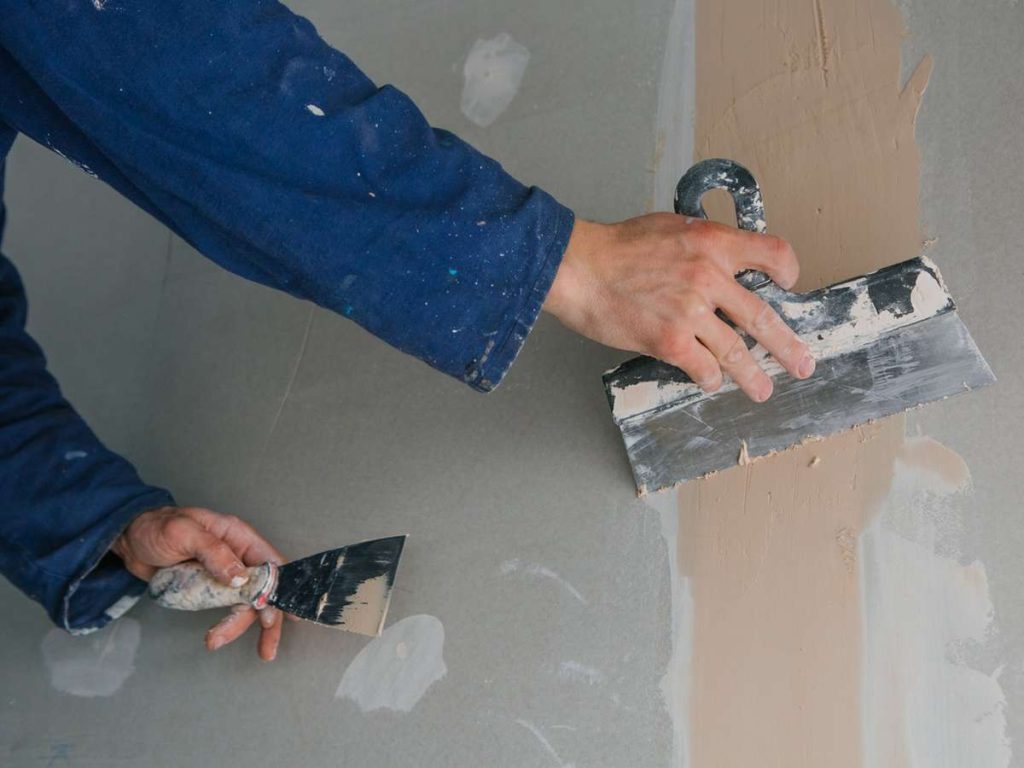
Damp can cause significant damage to internal plaster. Even after the source of moisture has been addressed, damaged or contaminated plaster may need to be removed and replaced.
Our services can include re-plastering following damp proofing and remedial work. The objective is to restore affected walls and provide a suitable finish once the underlying damp problem has been treated.
It is important that re-plastering is considered as part of the wider damp treatment process rather than simply covering visible signs of moisture.