
Mould Removal
Mould Removal Specialists
At Damp Proofing Dublin, we provide professional mould removal and mould treatment services for properties throughout Dublin. Our approach focuses not only on removing visible mould but also on identifying the conditions that are allowing it to develop.
Whether mould has appeared following a damp problem, excessive condensation, water ingress or poor ventilation, we can assess the affected area and advise on the most appropriate solution.
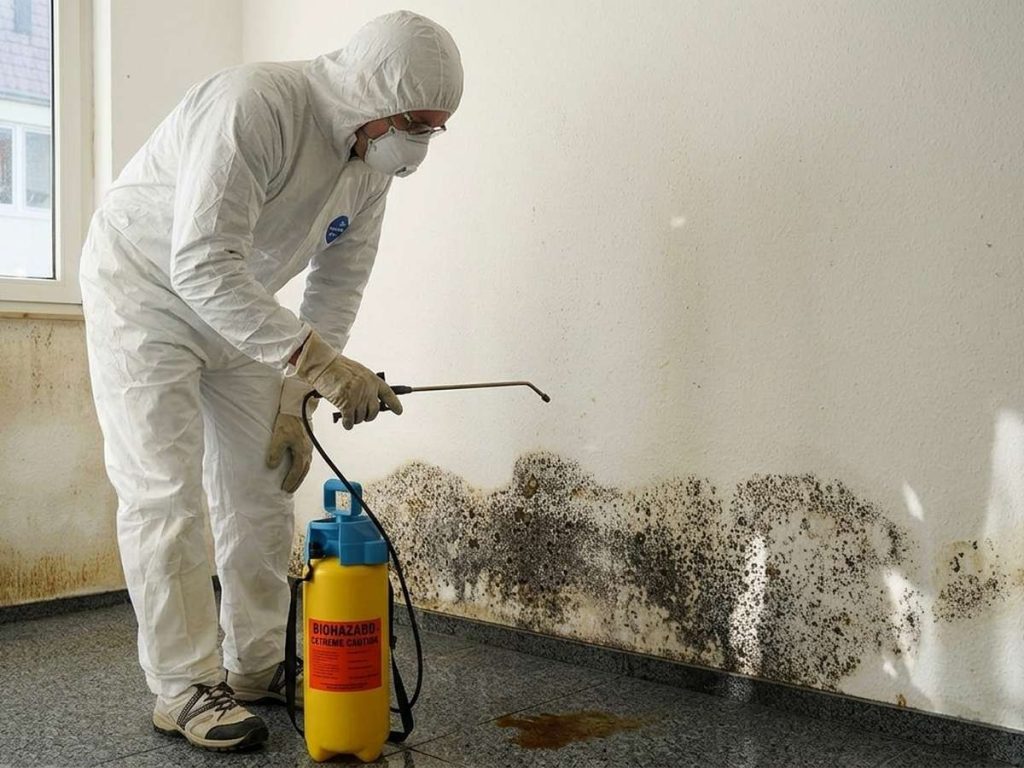
Professional Mould Removal Dublin
Mould thrives in areas where moisture is present for prolonged periods. It can appear as black, green, white or other coloured patches and may produce a noticeable musty smell.
Small amounts of surface mould may sometimes be managed through appropriate cleaning and improved ventilation. However, extensive or recurring mould can indicate an underlying moisture problem that needs further investigation.
Our mould removal service is designed to help property owners understand why mould is occurring and what can be done to address the conditions contributing to its growth.
Simply cleaning mould from a wall may provide a temporary improvement, but if the source of moisture remains, the mould can return. This is why we consider the wider damp and moisture conditions affecting the property.
What Causes Mould?
Mould requires moisture to grow, so identifying the source of excess moisture is an important part of dealing with a persistent mould problem.
Common causes can include:
- Condensation
- Poor ventilation
- Rising damp
- Penetrating damp
- Water leaks
- High indoor humidity
- Cold walls and surfaces
- Poor airflow
- Water damage
- Inadequate ventilation in bathrooms and kitchens
Different causes require different solutions. For example, mould caused primarily by condensation may require improvements to ventilation and moisture control, while mould associated with penetrating damp may require repairs to the building itself.
Where mould is recurring or widespread, investigating the underlying cause can help prevent the problem from continuing.
Mould and Condensation
Condensation is one of the most common causes of mould in homes.
Everyday activities such as showering, cooking, drying clothes and using a tumble dryer release moisture into the air. When warm, moisture-filled air comes into contact with cold surfaces, condensation can form.
Over time, persistent condensation can create damp surfaces where mould is able to grow.
Improving ventilation can help reduce excess moisture. Using extractor fans in bathrooms and kitchens, allowing air to circulate and maintaining appropriate heating can all help manage condensation.
However, persistent mould should not automatically be assumed to be caused by lifestyle or condensation. Other forms of damp can produce similar symptoms, which is why recurring problems may require further investigation.
Request a Free Quote
Mould Removal in Bathrooms and Kitchens
Bathrooms and kitchens are particularly susceptible to mould because they produce significant amounts of moisture.
Steam from showers, baths and cooking can increase indoor humidity. If moisture is not effectively removed through ventilation, condensation can develop on walls, ceilings, windows and other cold surfaces.
Mould commonly appears around bathroom ceilings, shower areas, window frames, kitchen corners and behind appliances.
Regular ventilation and moisture control can help reduce the conditions that allow mould to develop. Where mould is persistent, however, it is important to consider whether inadequate ventilation or another underlying damp problem is contributing to the issue.
Mould Around Windows
Mould around windows is often associated with condensation. Windows and surrounding surfaces can become colder than the air inside the property, allowing moisture to form.
Persistent condensation can result in black mould around window frames, reveals and nearby walls.
Improving airflow and reducing excess humidity can help, but mould around windows can also have other causes. Water penetration around defective window frames or seals may result in moisture entering the surrounding structure.
If mould continues to return despite attempts to reduce condensation, investigating the area for potential water ingress can help establish the underlying cause.
Mould Removal for Landlords and Property Owners
Mould can be particularly concerning for landlords and property owners because recurring moisture problems can affect the condition and usability of a property.
When mould is reported, it is important to investigate the underlying cause rather than simply treating the visible growth. A recurring mould problem may indicate a ventilation issue, water ingress, condensation or another building defect.
A professional assessment can help establish what may be contributing to the problem and whether additional remedial work is required.
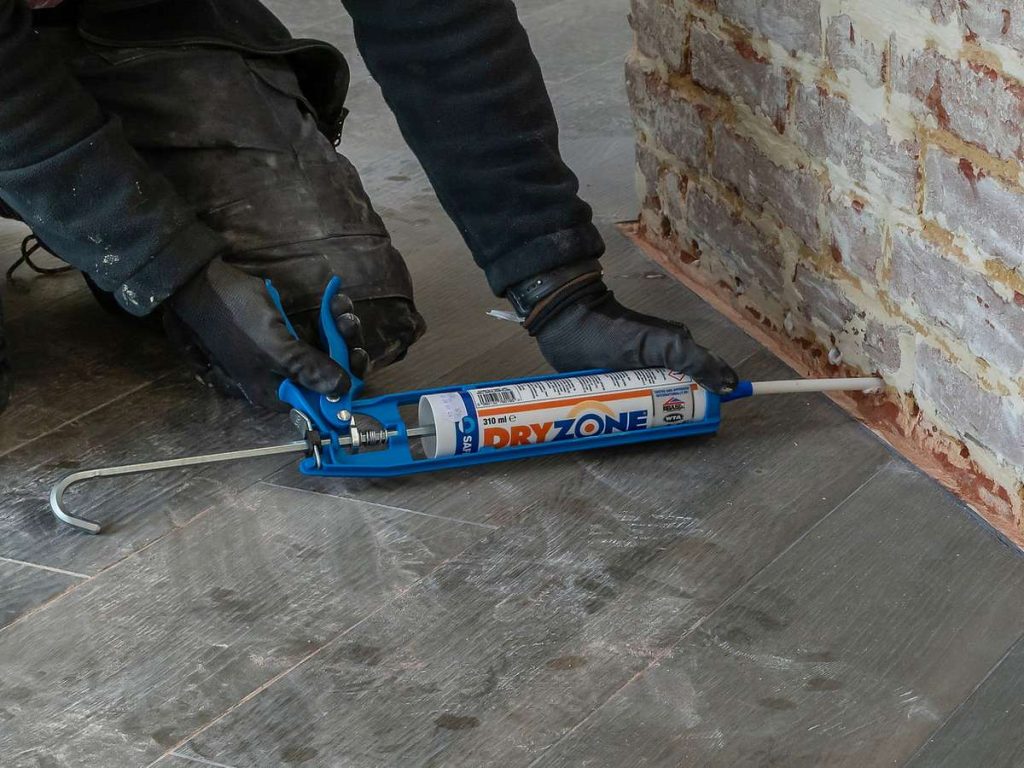
At Damp Proofing Dublin, we provide professional damp proof course and DPC injection services for properties throughout Dublin.
Our experienced team can assess suspected rising damp, identify potential problems with the existing damp-proofing and recommend an appropriate remedial solution.
DPC injection can be an effective method of creating or restoring a moisture barrier within affected walls. However, the correct treatment depends on the construction and condition of the property, which is why proper assessment is an important first step.
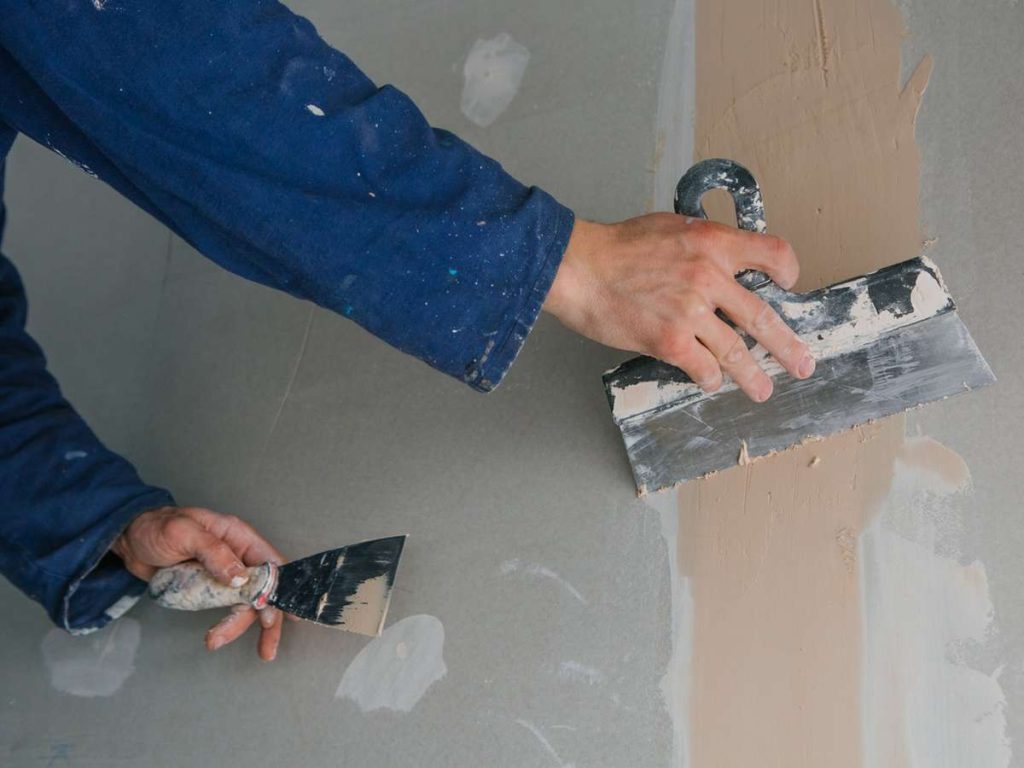
Damp can cause significant damage to internal plaster. Even after the source of moisture has been addressed, damaged or contaminated plaster may need to be removed and replaced.
Our services can include re-plastering following damp proofing and remedial work. The objective is to restore affected walls and provide a suitable finish once the underlying damp problem has been treated.
It is important that re-plastering is considered as part of the wider damp treatment process rather than simply covering visible signs of moisture.
Preventing Mould From Returning
Removing visible mould is only part of an effective long-term solution. Preventing recurrence involves controlling the conditions that allow mould to grow.
Depending on the cause, this may involve improving ventilation, reducing excess moisture, addressing condensation or repairing a source of water ingress.
In properties affected by rising or penetrating damp, appropriate damp proofing or building repairs may be necessary. Where condensation is the primary issue, improving airflow and managing indoor humidity may help reduce the likelihood of mould returning.
Keeping affected areas dry and well ventilated can also help minimise future mould growth.