
Damp Surveys
Damp Surveys Specialists
At Damp Proofing Dublin, we provide professional damp surveys for homeowners, landlords, property buyers, building contractors and property professionals throughout Dublin. Our aim is to investigate the affected areas, identify potential causes of moisture and provide clear advice on the appropriate next steps.
Whether you have noticed damp patches, mould, peeling paint, damaged plaster or a musty smell, a professional damp survey can help establish what may be causing the problem.
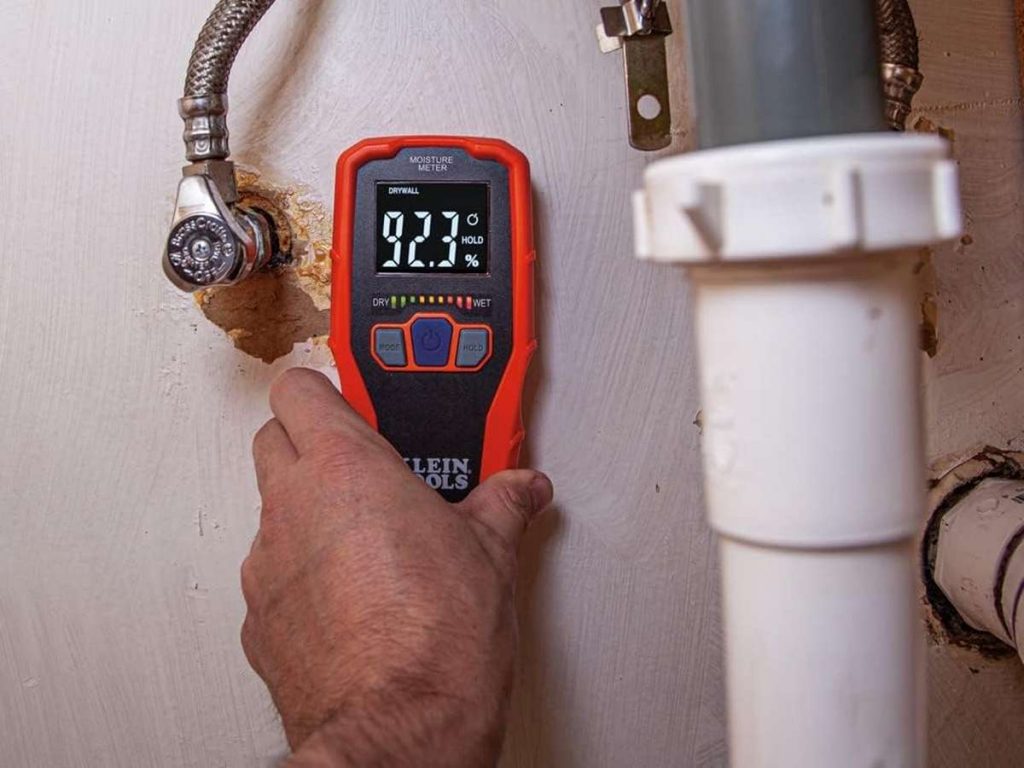
Damp Surveys Dublin
Our damp surveys are suitable for a wide range of residential and commercial properties throughout Dublin.
We can investigate damp problems in houses, apartments, rental properties, older buildings and other types of property. Each building has its own construction, history and potential moisture issues, so we assess the individual circumstances rather than assuming that every damp patch has the same cause.
If damp has appeared recently, a survey can help determine whether it is related to a new problem such as water ingress or a plumbing issue. Where moisture has been present for a longer period, the assessment can help identify potential rising damp, condensation or other building-related causes.
The findings can then be used to determine whether remedial damp proofing, waterproofing, ventilation improvements, repairs or further investigation may be appropriate.
Why Do I Need a Damp Survey?
Damp can be difficult to diagnose from appearance alone. A dark patch on a wall, for example, does not automatically mean that the property has rising damp.
Different moisture problems can produce similar symptoms, while more than one cause can sometimes be present in the same property.
A damp survey can therefore help prevent unnecessary work by establishing the likely source before treatment is selected.
This can be particularly useful if you are considering significant remedial work or have been advised that your property requires a new damp-proof course. Establishing the cause first allows the proposed treatment to be considered in the context of the actual problem.
Signs Your Property May Need a Damp Survey
There are several signs that may indicate that your property would benefit from a damp assessment, including:
- Damp or discoloured patches on walls
- Peeling, bubbling or flaking paint
- Crumbling or damaged plaster
- White or powdery salt deposits
- Black mould or persistent mould growth
- A musty or damp smell
- Damp or deteriorating skirting boards#
- Water staining on walls or ceilings
- Moisture appearing around windows
- Persistent condensation
- Dampness around the lower sections of walls
Some of these symptoms can be associated with several different problems. For example, condensation can contribute to mould growth, while penetrating damp can cause staining following water ingress. A professional assessment can help establish which potential causes should be investigated.
Request a Free Quote
Damp Surveys for Home Buyers
A damp survey can also be useful when buying a property. Damp and building defects may not always be obvious during a normal viewing, particularly where furniture, decoration or recent painting conceals affected areas.
If you are concerned about moisture before purchasing a property, an appropriate professional survey can help identify potential issues that may require further investigation.
Citizens Information advises prospective home buyers to get a property survey before finalising a purchase, as a survey can identify defects that may not otherwise be apparent.
A damp assessment can be particularly relevant when buying an older property, a building with visible signs of moisture or a property where previous damp proofing work has been carried out.
Damp Surveys for Landlords and Rental Properties
Landlords may also need to investigate damp and moisture problems reported by tenants. Damp can affect the condition of a property and may be associated with problems involving ventilation, water ingress, building defects or condensation.
Irish rental property standards require landlords to ensure rented homes are free from damp and structurally sound, with adequate ventilation and controllable heating.
If damp has been reported in a rental property, investigating the underlying cause can help determine what repairs or remedial measures may be appropriate.
What Happens After a Damp Survey?
Once the likely cause of the moisture has been identified, the next step depends on the findings.
If rising damp is identified, remedial damp proofing or DPC treatment may be considered. If penetrating damp is responsible, repairs to the roof, gutters, pointing, external walls or other areas may be required. We provide damp proofing to any type of solid walls including brick wall damp proofing, natural stone wall damp proofing and concrete wall damp proofing
Where condensation is the main issue, improving ventilation, reducing excess moisture and addressing cold surfaces may be appropriate.
In some cases, damaged plaster may also require removal and re-plastering after the underlying damp problem has been resolved.
The important point is that the treatment should relate to the cause of the damp rather than simply covering the visible symptoms.
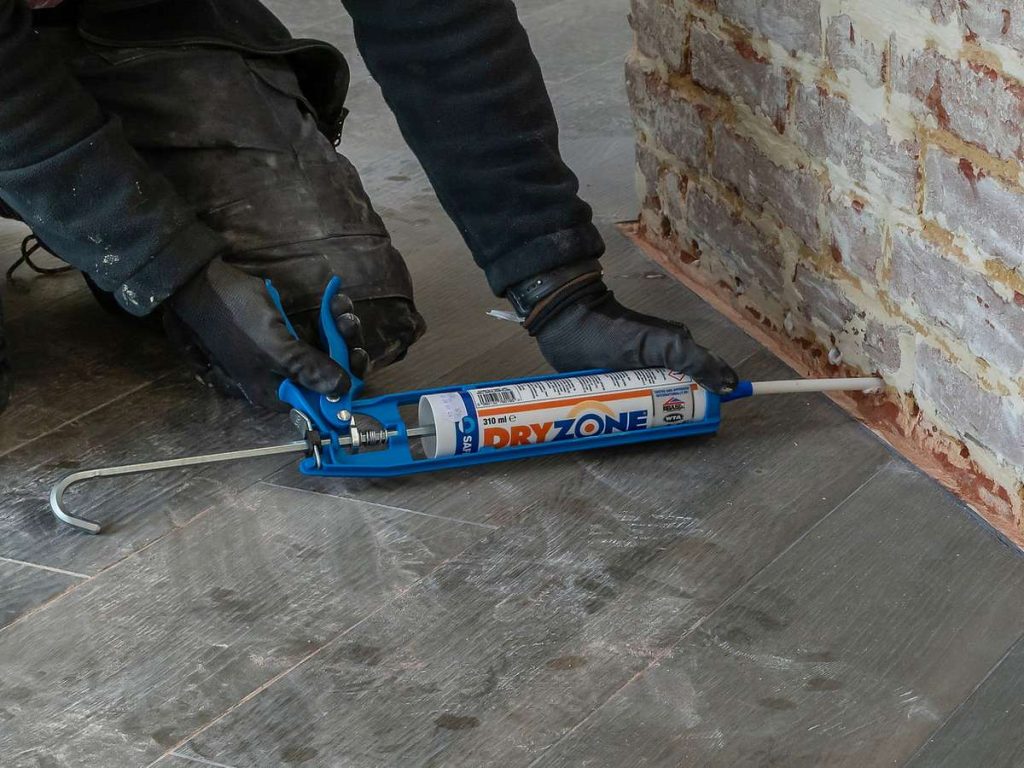
At Damp Proofing Dublin, we provide professional damp proof course and DPC injection services for properties throughout Dublin.
Our experienced team can assess suspected rising damp, identify potential problems with the existing damp-proofing and recommend an appropriate remedial solution.
DPC injection can be an effective method of creating or restoring a moisture barrier within affected walls. However, the correct treatment depends on the construction and condition of the property, which is why proper assessment is an important first step.
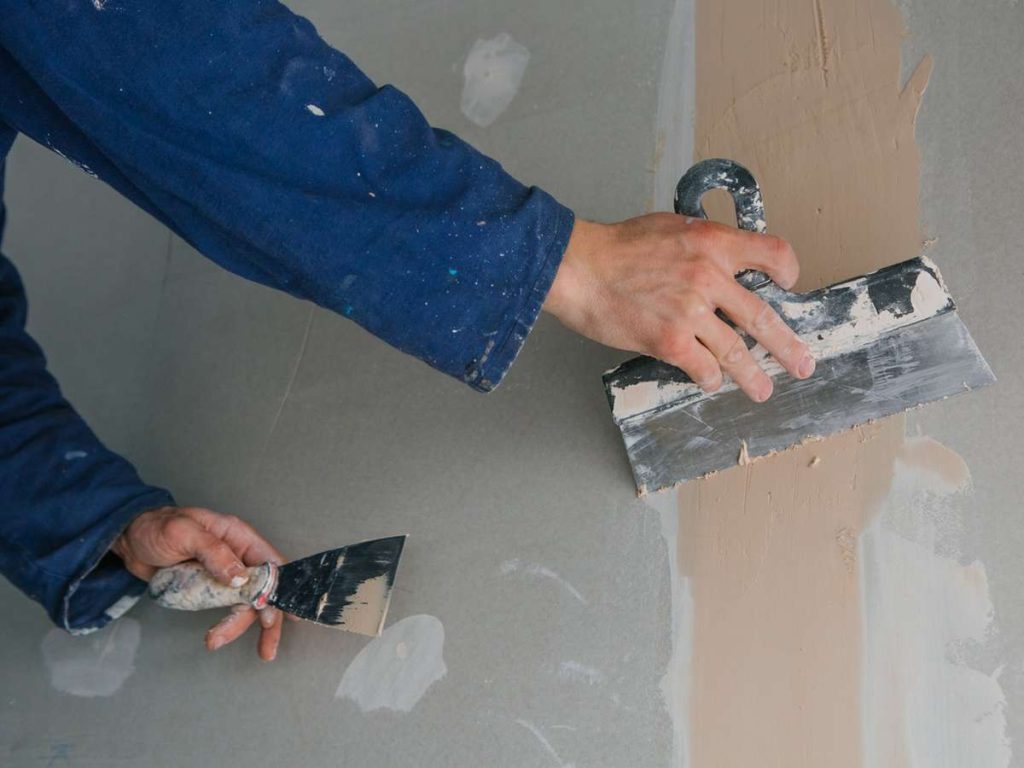
Damp can cause significant damage to internal plaster. Even after the source of moisture has been addressed, damaged or contaminated plaster may need to be removed and replaced.
Our services can include re-plastering following damp proofing and remedial work. The objective is to restore affected walls and provide a suitable finish once the underlying damp problem has been treated.
It is important that re-plastering is considered as part of the wider damp treatment process rather than simply covering visible signs of moisture.