
Damp Proofing in Dublin City Centre
Damp Proofing Specialists in Dublin City
Damp in a Dublin City Centre property can have a number of different causes. The city centre contains a particularly varied mix of buildings, from Georgian townhouses and Victorian terraces to older commercial buildings, converted apartments, basement properties and modern apartment developments.
Older buildings can be especially sensitive to moisture because they were constructed using traditional materials and methods that differ considerably from modern housing. Many have solid brick walls, timber floors, basements and older roof and drainage arrangements. Dublin City Council’s own building records, for example, document Georgian city-centre houses constructed with solid brick walls and basements.
At Damp Proofing Dublin, we provide damp surveys and remedial damp-proofing services throughout Dublin City Centre. Whether you are dealing with rising damp in an older townhouse, penetrating damp in a brick building, mould caused by condensation or water ingress into a basement, our approach is to identify the source of the moisture before recommending treatment.
Damp Problems in Dublin City Centre Properties
The character of Dublin City Centre changes considerably from one street to the next.
Around areas such as North Great George’s Street, Henrietta Street, Mountjoy Square, Parnell Square, Merrion Square, Fitzwilliam Square, Portobello and the South Georgian Core, you will find many historic properties, including Georgian and Victorian townhouses.
Elsewhere, older commercial and mixed-use buildings are common, with shops, offices or other businesses occupying lower floors and accommodation above. The city also has a growing stock of apartments and converted properties.
This variety matters when investigating damp.
A damp patch in a Georgian townhouse may have an entirely different cause from mould in a modern city-centre apartment. Similarly, moisture in a basement cannot necessarily be treated in the same way as damp affecting an upper-floor wall.
The first step is therefore establishing what type of moisture problem you are dealing with.
Rising Damp in Dublin's Older Houses
Rising damp is one potential cause of moisture in older city-centre buildings.
Traditional Dublin houses were often built with solid masonry walls rather than the cavity-wall construction found in many modern properties. Where moisture from the ground is able to enter the masonry and move upwards, damp can become apparent towards the lower sections of walls.
You may notice:
- Damp staining near the bottom of walls
- Peeling or blistering paint
- Crumbling plaster
- White salt deposits or efflorescence
- Damaged skirting boards
- A persistent musty smell
- Repeated deterioration after redecoration
However, these symptoms do not automatically mean that rising damp is responsible.
A leaking pipe, defective gutter, external water ingress or condensation can produce similar signs. In an older building, there may also be previous repair work that has altered how moisture moves through the wall.
For this reason, we recommend investigating the cause before carrying out remedial work.
Penetrating Damp in City-Centre Buildings
Penetrating damp occurs when water enters through the external parts of the building.
In older Dublin properties, the external envelope can contain a number of potential points of water entry. Brickwork and pointing can deteriorate over time, while gutters, downpipes, roof coverings, chimney details and window junctions can all become vulnerable.
Potential causes include:
- Deteriorated brickwork or pointing
- Leaking gutters and downpipes
- Defective roof coverings
- Chimney-related water ingress
- Cracks in external walls
- Failed seals around windows
- Defective flashing
- Water entering around extensions or alterations
The location of internal staining can sometimes provide a useful clue.
Damp around a chimney breast, for example, may require a very different investigation from damp appearing beneath a window or at the bottom of a ground-floor wall.
This is particularly relevant in multi-storey city-centre buildings where a roof or upper-floor defect can result in water appearing several metres away from the original point of entry.
Request a Free Quote
Basement Damp Proofing in Dublin City Centre
Basements are another important consideration in Dublin City Centre.
Many historic Georgian properties were designed with basement or lower-ground-floor accommodation. Dublin City Council’s documentation of historic Dublin townhouses shows how basements formed part of traditional city-centre building layouts, while current planning guidance continues to recognise the specific issues associated with below-ground development.
Today, these spaces may be used for kitchens, offices, storage, utility areas, bathrooms or additional accommodation.
Because they are below or partly below ground level, basements can be particularly vulnerable to moisture.
Water may enter through basement walls, floors, joints or other parts of the below-ground structure. Signs can include:
- Damp or wet basement walls
- Water staining
- White salt deposits
- Peeling paint
- Damp flooring
- Musty smells
- Water appearing after periods of heavy rainfall
Where a basement is affected by persistent water ingress, conventional damp-proofing may not be enough. A specialist waterproofing or tanking system may be required.
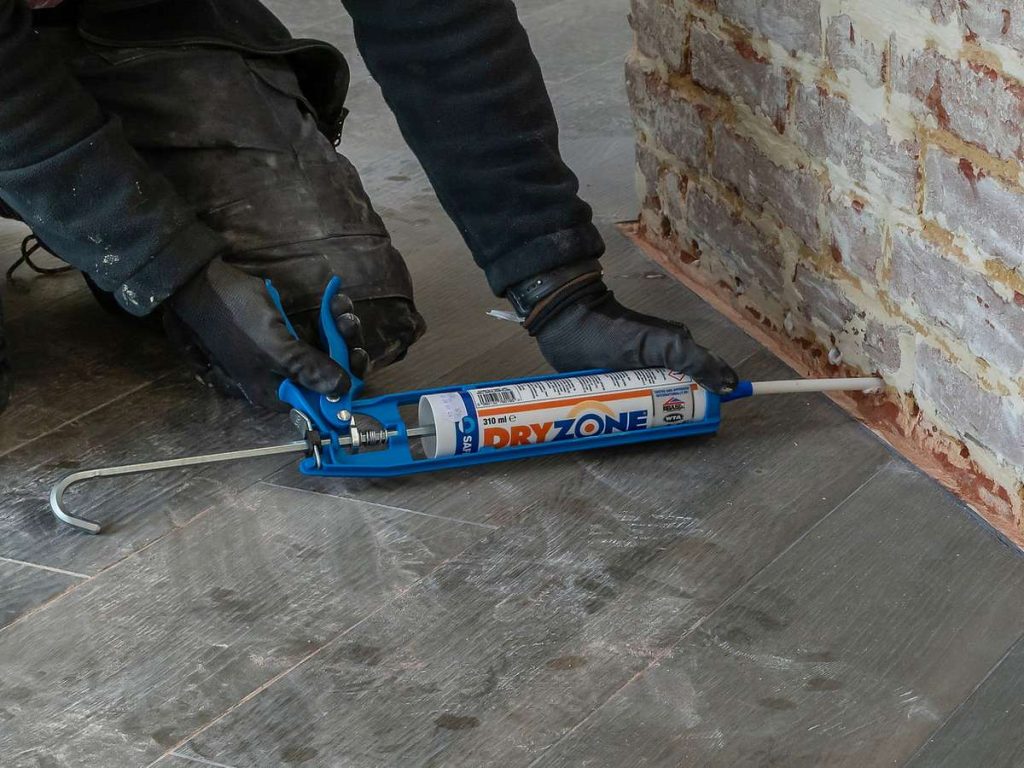
At Damp Proofing Dublin, we provide professional damp proof course and DPC injection services for properties throughout Dublin.
Our experienced team can assess suspected rising damp, identify potential problems with the existing damp-proofing and recommend an appropriate remedial solution.
DPC injection can be an effective method of creating or restoring a moisture barrier within affected walls. However, the correct treatment depends on the construction and condition of the property, which is why proper assessment is an important first step.
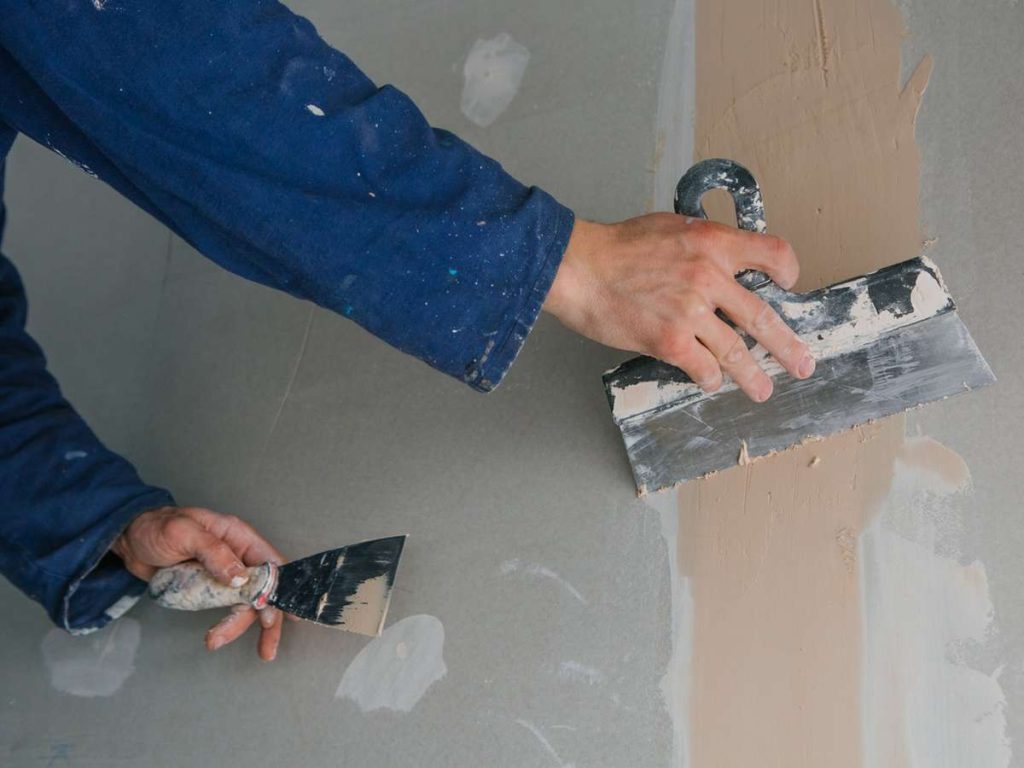
Damp can cause significant damage to internal plaster. Even after the source of moisture has been addressed, damaged or contaminated plaster may need to be removed and replaced.
Our services can include re-plastering following damp proofing and remedial work. The objective is to restore affected walls and provide a suitable finish once the underlying damp problem has been treated.
It is important that re-plastering is considered as part of the wider damp treatment process rather than simply covering visible signs of moisture.
Local Damp Proofing Across Dublin City Centre
Whether you own a Georgian townhouse, Victorian terrace, basement property, mixed-use building or modern apartment, damp needs to be assessed according to the individual property.
At Damp Proofing Dublin, we provide damp surveys and remedial damp-proofing services throughout Dublin City Centre and the surrounding areas.
We can help with rising damp, penetrating damp, condensation-related moisture, basement damp, water ingress, structural waterproofing, basement tanking and specialist re-plastering.
If you have noticed damp staining, mould, peeling plaster, salt deposits or water entering your Dublin City Centre property, contact Damp Proofing Dublin to arrange an assessment and discuss the most appropriate solution for the building.