
Damp Proofing in Dublin 2
Professional Damp Proofing in Dublin 2
Dublin 2 contains some of the city’s most distinctive historic properties, alongside modern apartments, offices, commercial premises and buildings that have been converted between residential and commercial use.
The area around Merrion Square, Fitzwilliam Square, Fitzwilliam Place, Kildare Street, Merrion Street and Leeson Street contains extensive Georgian architecture. Dublin City Council’s Record of Protected Structures identifies numerous Georgian terraced houses throughout these areas, including properties on Kildare Street, Merrion Street Upper, Fitzwilliam Place and Fitzwilliam Square.
Many of these older Dublin 2 buildings were constructed with solid masonry walls and substantial basement areas. Over time, individual houses have been converted into offices, apartments, professional premises and other uses. Recent planning records, for example, document the proposed conversion of a four-storey-over-basement Georgian building on Leeson Street Lower into multiple apartments.
These changes can create particular considerations when investigating damp. Basements may have been adapted for modern use, internal layouts may have changed and previous renovation work may have altered floors, walls, windows, ventilation and drainage.
At Damp Proofing Dublin, we provide damp surveys and remedial damp proofing services for homeowners, landlords, property managers, businesses and property professionals throughout Dublin 2.
If you have noticed damp staining, mould, peeling paint, damaged plaster, salt deposits or water entering your Dublin 2 property, we can investigate the likely source and recommend an appropriate solution.
Damp Problems in Dublin 2 Homes and Buildings
Dublin 2 has a very different property profile from many of Dublin’s outer residential suburbs.
The South Georgian area contains large numbers of historic terraced houses, many of which were built during the eighteenth and nineteenth centuries. Dublin City Council recognises Georgian conservation areas as areas where the existing architectural and civic character is particularly important.
Some properties remain residential, while others have been converted into offices, professional premises, apartments, hotels or mixed-use buildings.
The construction of these older buildings can include solid brick or masonry walls, traditional plaster, timber sash windows, suspended timber floors, parapet roofs, chimneys, basement accommodation and rear returns.
These characteristics can affect how moisture moves through the building.
A damp patch at the bottom of an internal wall may require investigation for rising damp, while staining around a chimney, parapet or window could indicate penetrating damp. Moisture within a basement can have a different cause again, particularly where the basement is below external ground level.
Previous changes to the building can also influence the problem. New floors, alterations to external ground levels, replacement windows, extensions, insulation and modern internal finishes can all change the way an older building handles moisture.
The visible damp patch is therefore not necessarily where the moisture originates.
Rising Damp in Dublin 2 Georgian Buildings
Rising damp can be a potential concern in older Dublin 2 properties where an effective damp-proof course is absent, defective or has been bridged.
Many historic buildings pre-date the widespread use of modern damp-proofing systems. Their solid masonry walls were designed using traditional construction methods and can behave differently from the cavity-wall construction used in modern housing.
Where moisture from the ground enters porous masonry, it can potentially affect the lower sections of walls.
Damp staining towards floor level, deteriorating plaster, peeling or blistering paint, damaged skirting boards, salt deposits and persistent musty smells can all warrant further investigation.
However, these symptoms do not automatically establish that rising damp is the cause.
Penetrating damp, plumbing leaks, condensation and water entering through a basement or external wall can produce similar symptoms.
Damp Proofing Dublin can investigate suspected rising damp and determine whether damp-proof course treatment or DPC injection is appropriate for the individual property.
Penetrating Damp in Dublin 2 Period Properties
Penetrating damp is another potential concern in Dublin 2’s older buildings.
Historic properties depend on their external building envelope to protect the interior from rainwater. Over time, defects can develop in brickwork, pointing, roof coverings, parapets, chimneys, flashings, gutters and downpipes.
The design of Georgian properties can make the condition of these areas particularly important. Parapet roofs, concealed gutters and older rainwater arrangements can allow water to enter the building when defects develop.
Water may then travel through masonry before becoming visible internally.
Damp around a chimney breast could therefore require an inspection of the chimney and roof, while staining around a parapet or upper-floor wall could be associated with defective roof drainage or masonry.
Similarly, damp below a window may require investigation of the external wall and window junction rather than simply treating the internal plaster.
Damp Proofing Dublin can investigate suspected penetrating damp and help establish where moisture is entering the property.
Request a Free Quote
Basement Damp Proofing in Dublin 2
Basements are one of the most important considerations when dealing with many of Dublin 2’s Georgian properties.
The traditional Dublin townhouse was frequently constructed with basement accommodation. Dublin City Council records numerous protected Georgian houses throughout the South Georgian area, while more recent planning documentation shows that four-storey-over-basement Georgian buildings in Dublin 2 continue to be adapted for modern residential use.
Historically, basements could contain kitchens, storage and service accommodation. Today, the same spaces may be used as offices, bedrooms, bathrooms, kitchens, utility rooms or additional living accommodation.
Changing the use of a basement can make moisture problems considerably more noticeable.
A basement that previously functioned as storage may have tolerated some degree of dampness, whereas a basement used as an office or bedroom requires a much drier environment.
Moisture entering through below-ground walls or floors can result in damp staining, mould, efflorescence, damaged plaster, peeling finishes and persistent musty smells.
Where water is entering through a basement structure, basement tanking or structural waterproofing may be more appropriate than conventional damp-proofing.
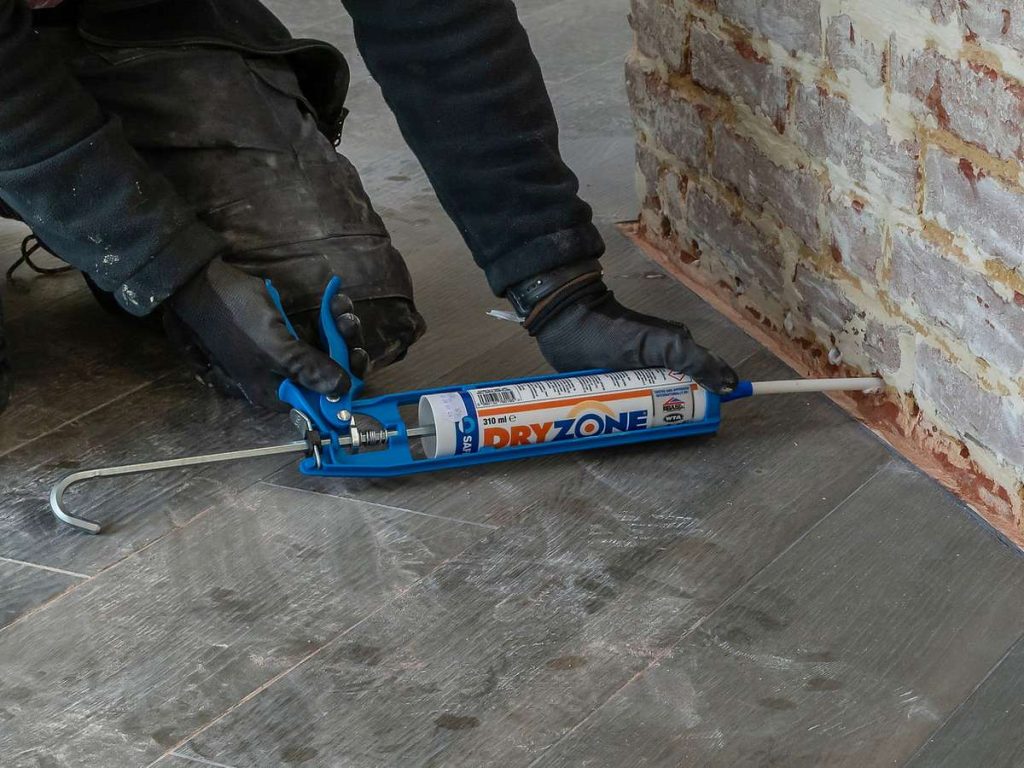
At Damp Proofing Dublin, we provide professional damp proof course and DPC injection services for properties throughout Dublin.
Our experienced team can assess suspected rising damp, identify potential problems with the existing damp-proofing and recommend an appropriate remedial solution.
DPC injection can be an effective method of creating or restoring a moisture barrier within affected walls. However, the correct treatment depends on the construction and condition of the property, which is why proper assessment is an important first step.
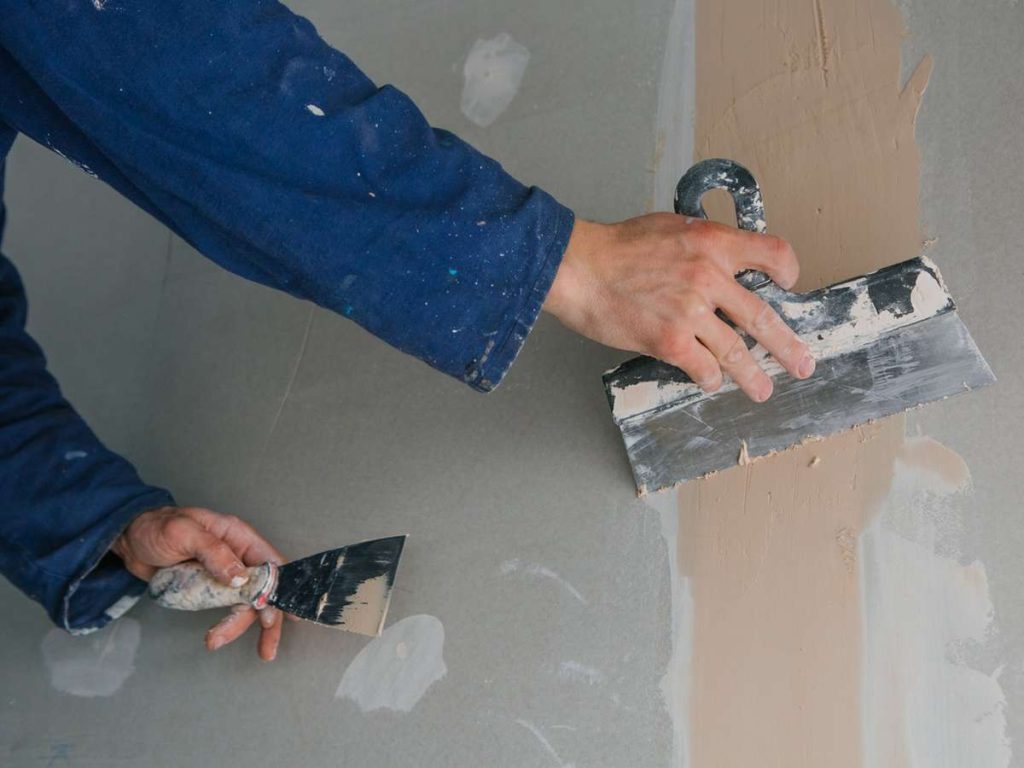
Damp can cause significant damage to internal plaster. Even after the source of moisture has been addressed, damaged or contaminated plaster may need to be removed and replaced.
Our services can include re-plastering following damp proofing and remedial work. The objective is to restore affected walls and provide a suitable finish once the underlying damp problem has been treated.
It is important that re-plastering is considered as part of the wider damp treatment process rather than simply covering visible signs of moisture.
Local Damp Proofing for Dublin 2 Properties
Whether you own a Georgian townhouse on Merrion Square, a property on Fitzwilliam Square or Fitzwilliam Place, a building on Kildare Street or Merrion Street, a converted townhouse around Leeson Street or a modern apartment elsewhere in Dublin 2, damp problems need to be investigated according to the individual property.
The area contains a particularly broad mixture of historic and modern buildings. Dublin City Council’s records demonstrate the concentration of protected Georgian houses, while current planning activity also shows historic buildings being adapted for modern residential and commercial use.
A damp patch along the bottom of a wall may require investigation for rising damp. Staining around a parapet, chimney or upper-floor wall may indicate penetrating damp. Moisture in a basement may require structural waterproofing, while mould in a converted apartment could have a ventilation or condensation-related cause.
The right treatment starts with identifying the cause.
Damp Proofing Dublin provides damp surveys and remedial damp proofing services throughout Dublin 2.
We provide damp surveys, rising damp treatment, damp-proof course and DPC injection, penetrating damp treatment, basement damp proofing, water ingress solutions, basement tanking, structural waterproofing, specialist re-plastering and mould removal.
If you have noticed damp patches, mould, peeling plaster, staining, salt deposits or signs of water entering your Dublin 2 property, contact Damp Proofing Dublin to arrange an assessment.