
Damp Proofing in Fairview
Damp Proofing Specialists in Fairview
Damp problems can affect properties of all ages, but Fairview has a particularly interesting mixture of established Dublin housing. The area sits between the city centre and the northern coastal suburbs, with traditional houses, older terraces, semi-detached properties and later residential development found throughout Fairview and the surrounding streets.
The wider area also reflects the development of north Dublin during the early twentieth century. Griffith Avenue was laid out between 1924 and 1928 alongside the Marino Estate, and Dublin City Council identifies the surrounding semi-detached houses as examples of early twentieth-century Dublin housing.
These established properties can experience damp for several different reasons. Older masonry, changing external ground levels, previous renovations, defective gutters, damaged pointing, roof problems and alterations to ventilation can all affect the way moisture moves through a building.
At Damp Proofing Dublin, we investigate the cause before recommending treatment. Our services include rising damp treatment, damp-proof course and DPC injection, basement tanking, structural waterproofing and specialist re-plastering, with the appropriate solution determined by the individual property.
Damp Problems in Fairview Properties
Fairview contains a mixture of older residential properties and more modern homes, meaning there is no single type of damp problem that applies to every building. Traditional houses and older semi-detached properties can have solid or older masonry construction, while renovated properties may have newer windows, insulation, extensions or altered ventilation.
Changes made during renovation can influence how moisture behaves inside a property. Improving insulation or replacing windows, for example, can alter ventilation and surface temperatures, potentially making condensation more noticeable if moisture levels are not adequately controlled.
Older properties can also develop problems with external water penetration. Roof coverings, gutters, downpipes, pointing, external render and window surrounds can deteriorate over time, allowing rainwater to enter walls or internal spaces.
The visible symptoms do not always identify the source. A damp patch close to the floor could relate to rising damp, while staining around a window or ceiling may indicate penetrating damp, and mould around colder surfaces may be associated with condensation.
Rising Damp in Fairview Homes
Rising damp occurs when moisture from the ground travels upwards through porous masonry. Where a damp-proof course is missing, damaged, bridged or no longer effective, moisture can potentially move into the lower sections of walls and contribute to damage to plaster, paintwork and timber.
This can be relevant to older Fairview properties where original construction and decades of alterations need to be considered when investigating damp. Changes to external ground levels, paths, paving and other alterations around a building can also affect the relationship between the external ground and the damp-proof course.
Typical signs can include damp staining towards the bottom of walls, damaged or crumbling plaster, peeling paint, salt deposits and deteriorating skirting boards.
However, these symptoms can also be caused by other forms of moisture. Damp Proofing Dublin can investigate suspected rising damp and establish whether DPC treatment or another remedial solution is appropriate for the property.
Penetrating Damp in Fairview Properties
Penetrating damp occurs when water enters a building through defects in its external envelope. In an established Fairview property, this can potentially involve defective gutters, leaking downpipes, damaged roof coverings, deteriorated pointing, cracks in external walls or failed seals around windows.
Older houses may have experienced years of exposure to Dublin’s weather, making regular maintenance of external surfaces important. Previous extensions and alterations can also create additional roof junctions and connections where water may enter if they have deteriorated.
The location of internal staining can provide useful clues. Damp around a window, chimney breast, ceiling or upper-floor wall may point towards a different source from moisture concentrated along the lower part of a ground-floor wall.
Damp Proofing Dublin can investigate suspected penetrating damp and water ingress and recommend appropriate remedial work based on the condition and construction of the property.
Request a Free Quote
Basement and Lower-Level Damp Proofing in Fairview
While Fairview is predominantly known for its traditional residential streets rather than the large basement houses associated with some areas of south Dublin, individual properties can contain lower-ground rooms, converted spaces, storage areas, garages or other parts of a building where moisture can become an issue.
Below-ground and partially below-ground areas can be vulnerable to water entering through walls, floors and joints. Persistent moisture can result in staining, mould, efflorescence, damaged plaster and musty smells.
Where water is entering through the below-ground structure, conventional damp proofing may not provide a sufficient solution. Depending on the construction of the space and the source of the water, basement tanking or structural waterproofing may be required.
Damp Proofing Dublin provides basement tanking and structural waterproofing solutions for properties throughout Dublin. Isolation wall membrane systems are among the basement waterproofing solutions used by the company, including for basement conversions and basement flats.
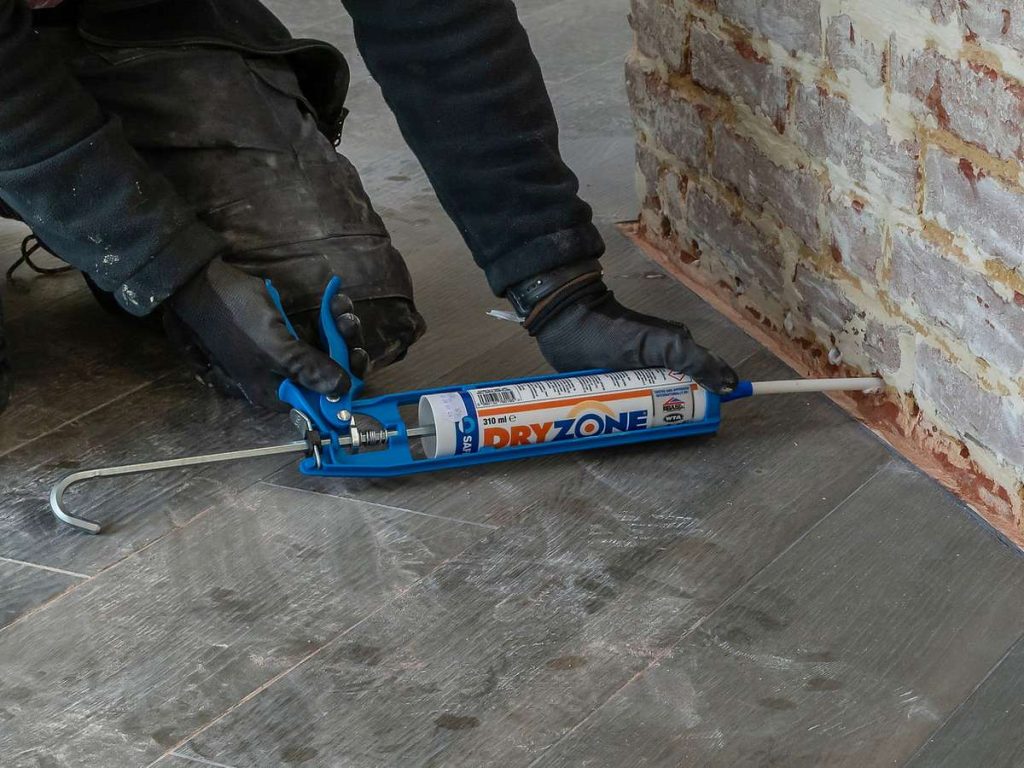
At Damp Proofing Dublin, we provide professional damp proof course and DPC injection services for properties throughout Dublin.
Our experienced team can assess suspected rising damp, identify potential problems with the existing damp-proofing and recommend an appropriate remedial solution.
DPC injection can be an effective method of creating or restoring a moisture barrier within affected walls. However, the correct treatment depends on the construction and condition of the property, which is why proper assessment is an important first step.
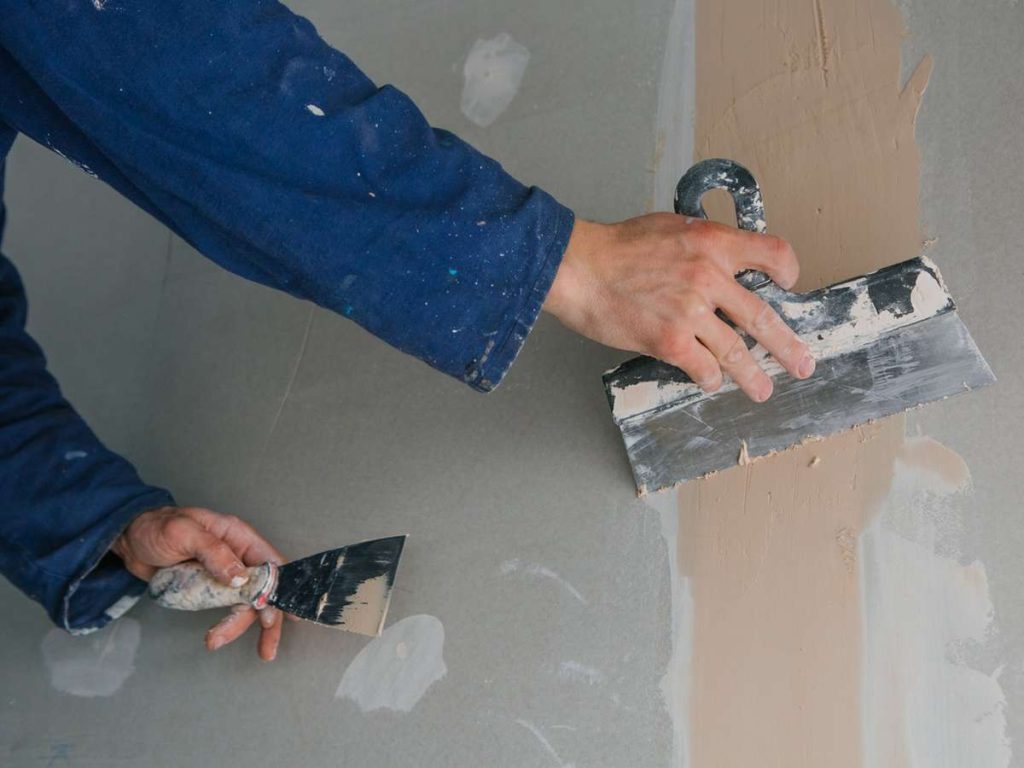
Damp can cause significant damage to internal plaster. Even after the source of moisture has been addressed, damaged or contaminated plaster may need to be removed and replaced.
Our services can include re-plastering following damp proofing and remedial work. The objective is to restore affected walls and provide a suitable finish once the underlying damp problem has been treated.
It is important that re-plastering is considered as part of the wider damp treatment process rather than simply covering visible signs of moisture.
Local Damp Proofing in Ballsbridge
Damp can be frustrating when the same stain, mould or damaged plaster keeps returning after decorating. The important first step is establishing why moisture is present before choosing a treatment.
Whether you own an older house close to Fairview Strand, a traditional property around Fairview village, a semi-detached home towards Griffith Avenue or a renovated property in the wider Fairview and Marino area, the appropriate damp treatment will depend on the individual building.
The early twentieth-century housing around the wider Marino and Griffith Avenue area forms an important part of the character of this part of Dublin. Dublin City Council describes the early houses as part of the evolution and variety of early twentieth-century house types within the area’s distinctive streetscape.
Damp Proofing Dublin provides damp surveys and remedial damp-proofing services throughout Fairview and the surrounding Dublin 3 area. We can help with rising damp, penetrating damp, damp-proof course treatment, basement damp, water ingress, structural waterproofing, basement tanking and specialist re-plastering.
If you have noticed damp patches, mould, peeling paint, damaged plaster, salt deposits or signs of water entering your Fairview property, contact Damp Proofing Dublin to arrange an assessment and establish what may be causing the problem.