
Internal Wall Insulation Dublin
Dublin Internal Wall Insulation Services
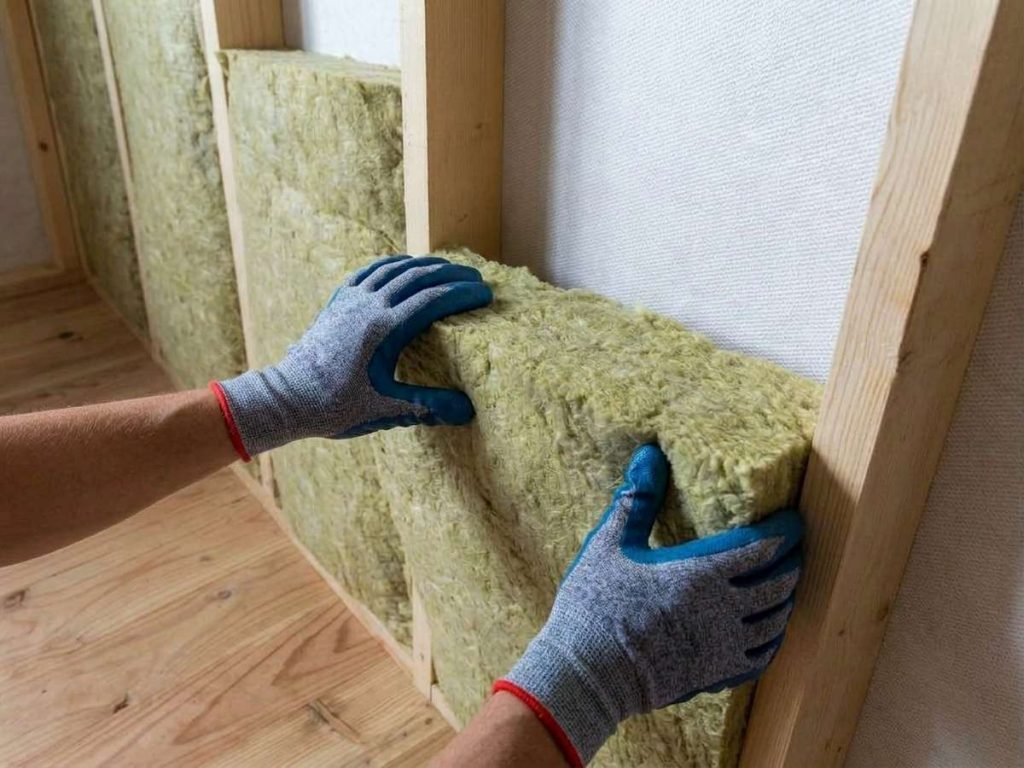
Initial Diagnostic Assessment of Existing Wall Construction & Moisture
Before any internal wall insulation is specified or installed, a rigorous physical diagnostic assessment of the existing boundary walls is mandatory. Older Dublin homes feature solid brick, granite, or Calp limestone walls that lack the clear cavity drainage gap found in modern construction. Standard insulation installations frequently fail because contractors skip evaluating how the wall currently handles moisture. Installing internal insulation alters the thermal dynamics of a wall by keeping room heat inside, causing the underlying masonry to remain significantly colder throughout the year. If an existing wall suffers from active penetrating damp, rising damp, or rain saturation, trapping that moisture behind insulation leads to immediate decay, structural rot, and rapid mold growth.
Damp Proofing Dublin conducts comprehensive, non-destructive moisture mapping, salt testing, and structural diagnostic evaluations before introducing any thermal upgrades. We meticulously inspect masonry thickness, mortar joint integrity, existing external renders, and rainwater handling systems. Identifying issues like hairline cracking, degraded pointing, leaking downpipes, or previous non-breathable cement repairs allows us to remediate active damp problems at their source. Resolving all external water ingress and internal moisture paths prior to installation ensures the wall substrate remains stable, preventing hidden timber joist rot and guarantee long-term insulation performance.
Solid-Wall Masonry Dynamics in Older Dublin Neighborhoods
Understanding the distinct physical characteristics of Dublin’s historic housing stock is vital for a successful thermal upgrade. Homes across mature areas like Ranelagh, Stoneybatter, Portobello, Phibsborough, and Clontarf rely on solid masonry assemblies that function as “mass walls.” Unlike modern rainscreen or cavity systems that block moisture completely, traditional solid brick and stone absorb rainwater during wet periods and safely evaporate it back into the atmosphere when conditions dry out. The original lime mortar used in these walls serves as a flexible, sacrificial matrix that allows liquid moisture and water vapor to move freely throughout the structure.
Applying modern, impermeable insulation materials—such as rigid foil-backed foam boards or non-breathable plastic vapor barriers—disrupts this natural drying mechanism entirely. When driven rain penetrates the outer redbrick or stone face, trapped moisture can no longer evaporate inward toward the living space. Lacking heat from the interior to dry it out, the cold masonry remains saturated for extended periods. In Dublin’s wet winter climate, this persistent water retention triggers severe freeze-thaw damage, spalling brickwork, crumbling mortar, and the decay of embedded floor joist ends where they meet external walls.
Vapor Permeability & the Mechanics of Breathability
In traditional building conservation, “breathability” does not refer to air drafts or ventilation, but specifically to vapor permeability and capillary activity. A truly breathable wall assembly allows water vapor to pass harmlessly through its layers, while capillary-active insulation materials absorb liquid moisture and draw it toward the inner room surface where it evaporates safely into the home’s controlled indoor air. For historic Dublin residences, maintaining continuous vapor permeability across every single layer—from the outer brick face to the final internal plaster coat—is fundamental to preserving structural integrity.
When internal insulation is applied, it creates a temperature barrier that prevents indoor warmth from reaching the original masonry wall. If non-breathable materials are used to clad this cold wall, any moisture accumulating within the structure becomes permanently trapped. Damp Proofing Dublin exclusively utilizes vapor-permeable, capillary-active systems—such as natural wood fiber boards, calcium silicate panels, and insulating lime plasters. These intelligent materials buffer excess humidity, manage internal moisture cycles, and maintain the natural drying capacity of solid Dublin brickwork year-round.
Request a Free Quote
Condensation Risk & Interstitial Moisture Control
Installing internal wall insulation creates a sharp thermal boundary between the heated living space and the cold internal face of the original masonry wall. This critical junction represents the highest risk area for interstitial condensation—a destructive condition where warm, moisture-laden indoor air migrates through the insulation layer, meets the freezing masonry face, and cools to its dew point. Upon reaching the dew point, airborne water vapor transforms into liquid water deep inside the wall assembly. Because interstitial condensation occurs out of sight behind internal finishes, it often remains undetected until widespread mold, wood rot, and plaster failure surface.
To mitigate this severe structural risk, Damp Proofing Dublin utilizes dynamic hygrothermal modeling software (such as WUFI) rather than basic static U-value calculations. This advanced analysis simulates real-world seasonal rainfall, indoor relative humidity, and heat movement calibrated to Dublin’s microclimate. By specifying capillary-active insulation systems rather than relying on delicate plastic vapor barrier membranes—which easily tear, fail around pipe penetrations, and trap moisture permanently—condensed moisture is safely absorbed, stored, and re-evaporated inward as indoor temperature and humidity levels fluctuate naturally.
Locally Rooted Expertise Across Greater Dublin
As a dedicated local specialist, Damp Proofing Dublin brings unmatched hands-on expertise directly to property owners across the entire Dublin metropolitan area. We understand the distinct microclimates, coastal exposure challenges, and specific architectural styles found throughout the county—from the historic redbrick streets of Ranelagh, Rathmines, and Stoneybatter to the coastal properties of Clontarf, Howth, and Dun Laoghaire. Being locally based allows us to provide prompt, comprehensive on-site assessments and tailored insulation solutions that account for local weather conditions, street-level moisture exposure, and regional building traditions specific to Greater Dublin.
Our local presence ensures seamless project delivery, clear communication, and ongoing support long after your internal wall insulation system is installed. We take deep pride in helping local homeowners protect their historic building stock, improve indoor thermal comfort, and reduce energy bills while preserving Dublin’s unique architectural heritage. By choosing a specialized local installer who truly understands the delicate balance between damp control and traditional Dublin masonry, you gain complete peace of mind that your home’s thermal upgrade is engineered to last for generations to come.

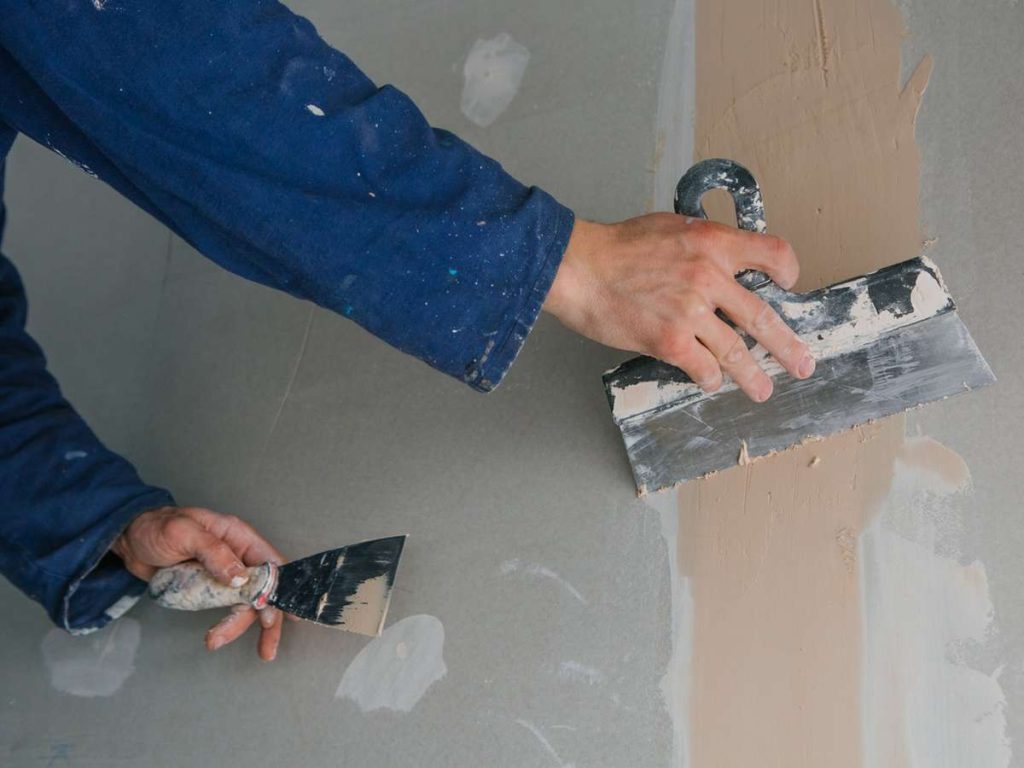
After we have damp proofed your property, we can begin to plaster it. This allows us to restore your home or business to its former self, now free of damp, mould, or anything else we found. Our skilled team work quickly and professionally, ensuring quality work every time.