
Thermal Wall Upgrades Dublin
Thermal Wall Upgrades for Dublin Properties
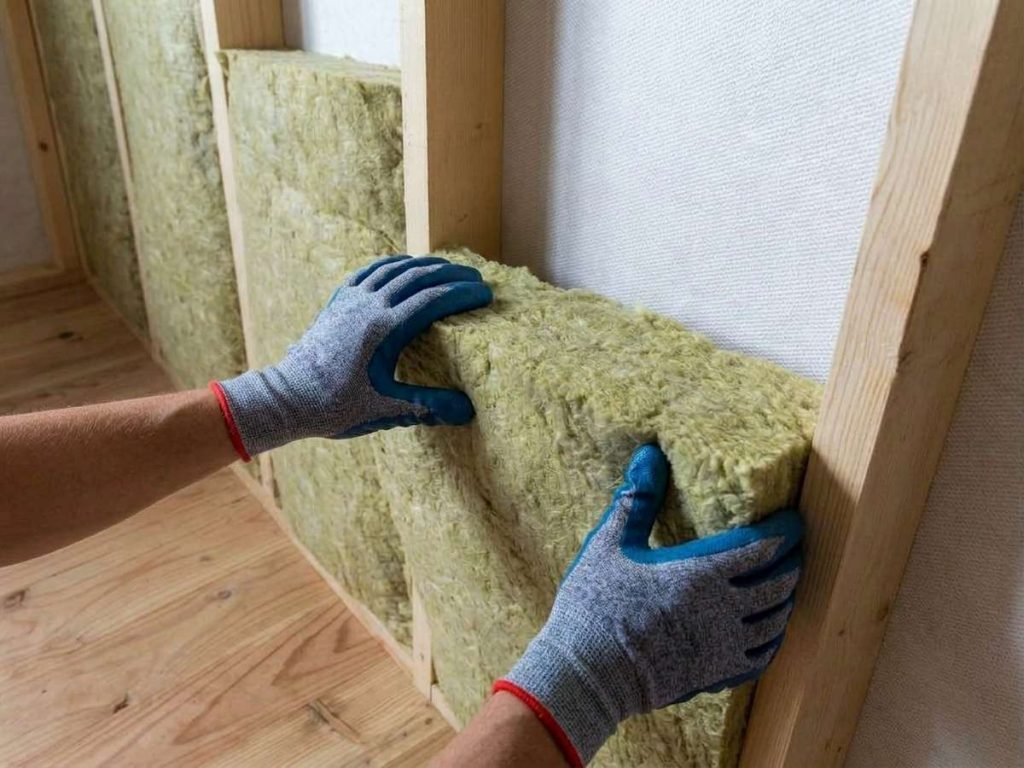
Examining the Existing Wall Before Thermal Improvement
The first stage of a thermal wall upgrade should be understanding what is already there. Older Dublin properties can contain solid brick walls, stone construction, rubble masonry or sections that have been altered during extensions and previous renovations. Wall thickness can vary, and the condition of the masonry may differ between elevations and rooms. Previous owners may also have introduced cement renders, waterproof coatings, modern paints or replacement plaster, all of which can influence how moisture behaves. Before internal insulation is installed, signs of dampness should therefore be investigated rather than simply covered. Staining, salts, mould, flaking paint and deteriorated plaster can result from different causes. Rain penetration, plumbing leaks, ground moisture and condensation each require different responses. Understanding the existing construction helps establish whether the wall is ready for thermal improvement and whether preparation or remedial work should take place before insulation is introduced.
Moisture assessment becomes particularly important because internal insulation changes the temperature of the original masonry. Once the internal face is insulated, less heat from the room reaches the existing wall, meaning the masonry can become colder. This can influence evaporation, drying and moisture movement within the wall. If moisture is already present, simply installing insulation may change its distribution rather than resolving its source. Particular attention may therefore be required around window openings, floors, ceilings, chimney breasts and wall junctions. These locations can have different thermal and moisture conditions from the main wall surface. External factors should also be considered, including gutters, downpipes, pointing, roof details and exposed masonry. A thermal upgrade works best when these issues have been understood beforehand. For older Dublin houses, assessing the wall before installation is not an optional extra; it is an important part of ensuring that improved thermal performance does not come at the expense of moisture management.
Respecting the Moisture Behaviour of Solid Masonry
Traditional solid walls are capable of interacting with moisture in ways that differ considerably from modern insulated cavity construction. Brick, stone and traditional mortar can absorb moisture and release it again as environmental conditions change. This movement can be affected by the materials applied to the wall, including plaster, render and paint. For that reason, breathability should be considered when selecting a thermal wall upgrade for an older Dublin property. A suitable system should take account of the existing masonry and its ability to manage moisture rather than assuming that the wall should simply be sealed behind impermeable layers. Breathability does not mean accepting persistent dampness. Any significant source of water ingress or moisture accumulation still needs to be identified and addressed. Instead, the principle is to select compatible materials and finishes that allow the wall to function appropriately while improving its thermal performance. This approach is particularly relevant to traditional houses where original masonry remains an important part of the building fabric.
Moisture movement can also be influenced by changes made outside the wall. Defective pointing, blocked gutters, leaking downpipes or damaged roof details can expose masonry to more water than it was designed to manage. Inside the property, high humidity can create another source of moisture, particularly in kitchens, bathrooms and poorly ventilated rooms. When internal insulation is introduced, the balance between heat, vapour and moisture within the wall changes. The complete wall build-up therefore needs to be considered rather than focusing solely on the insulation layer. Existing plaster, coatings and repairs may affect drying, while the chosen internal system can determine how vapour interacts with the wall after installation. At Damp Proofing Dublin, this relationship between insulation and moisture is particularly important for older Dublin properties. The goal is to improve thermal performance while allowing the building fabric to remain appropriately managed, reducing the risk of creating new damp-related complications.
Controlling Condensation Through Better Wall Performance
Cold internal walls can contribute to condensation, particularly where warm, moisture-laden indoor air comes into contact with colder surfaces. Older solid-wall properties are often more susceptible because their masonry can provide relatively little resistance to heat flow compared with modern insulated construction. Internal insulation can raise the temperature of the finished wall surface and make rooms feel warmer, but condensation risk still needs to be considered throughout the upgraded area. Cold bridges can occur where insulation becomes discontinuous or where the wall meets another building element. Window reveals, corners, chimney breasts, floor junctions and ceiling junctions can therefore require particular attention. A wall may perform well across its main surface while remaining vulnerable at these colder points. The design of the thermal upgrade should account for these transitions rather than focusing only on the insulation placed across the largest areas.
Internal humidity also needs to be recognised when considering condensation. Everyday activities such as cooking, showering, washing and drying clothes release moisture into the air. If ventilation is insufficient, humidity can remain high and increase the likelihood of condensation on colder areas. Thermal wall upgrades can help by improving surface temperatures, but insulation should not be considered a replacement for appropriate moisture control or ventilation. Similarly, if dampness is entering the wall from outside, increasing insulation alone will not address that source. Distinguishing between condensation and other forms of damp is therefore an important part of planning the work. A well-considered thermal upgrade combines suitable insulation with attention to junctions, internal finishes and the condition of the existing wall. For older Dublin homes, this provides a more balanced route to improving comfort without overlooking the environmental conditions that can influence moisture and condensation.
Request a Free Quote
Plaster, Finishes and the Completed Wall System
The plaster system forms an important part of an internal thermal wall upgrade because it sits within the finished construction rather than simply covering the insulation. Older Dublin houses can contain lime plaster, gypsum finishes, cement-based repairs and numerous layers of paint applied during different periods of the property’s history. These materials have different characteristics and can respond differently to moisture. A traditional wall that was originally finished with relatively permeable materials may behave differently after later cement or waterproof coatings have been introduced. Before installing a new thermal system, the existing finish should therefore be considered in terms of its condition, compatibility and effect on moisture movement. Loose plaster, salt contamination and damaged areas may require preparation, while sound sections may be treated differently. The objective is not to remove every existing material automatically, but to establish what forms a suitable base for the proposed thermal upgrade and finished plaster system.
Thermal performance depends on the complete wall build-up rather than the insulation product alone. The thickness and continuity of the insulation, the plaster layers, junction details and treatment of openings can all affect the finished result. Older properties often contain irregular masonry and architectural features that make uniform installation more difficult. Chimney breasts can create different thermal zones, while window reveals may remain colder if they are not incorporated appropriately into the upgrade. Floors and ceilings can also create junctions where heat loss and cold bridging require attention. These details can have a significant influence on how the finished wall feels and performs. At Damp Proofing Dublin, the intention is to consider the insulation and finishing layers as part of one system. This allows the thermal upgrade to provide improved surface temperatures and reduced heat loss while remaining suitable for the existing traditional construction. The finished wall should be warmer, comfortable and appropriately detailed rather than simply covered with insulation.
Local Thermal Wall Upgrades Across Dublin
Damp Proofing Dublin provides thermal wall upgrade and internal insulation services locally for older homes and traditional properties throughout Dublin. The service is suited to properties where solid masonry walls contribute to heat loss and where improving the exterior may not be practical or desirable. Every older property can present different conditions, from original brick and stonework to previous plaster repairs and existing damp issues. For that reason, thermal improvement needs to be considered alongside the condition of the building fabric. Assessing moisture, wall construction and existing finishes helps determine how an internal upgrade should be approached. This can be particularly important where homeowners have noticed cold rooms, condensation, deteriorating plaster or recurring damp and are considering insulation as part of a wider improvement project.
If you are considering a thermal wall upgrade for an older Dublin property, contact Damp Proofing Dublin to arrange an assessment and discuss your requirements. We can consider the existing masonry, moisture conditions, plaster and thermal performance before determining the appropriate approach to internal insulation. This allows the proposed upgrade to be considered in relation to the building rather than using a standard insulation solution regardless of its construction. Our local service covers thermal upgrades for older Dublin properties where improving comfort and reducing heat loss needs to be balanced with appropriate damp and moisture control. Get in touch with Damp Proofing Dublin today to enquire about internal insulation and thermal wall upgrades in Dublin and arrange a service assessment for your property.

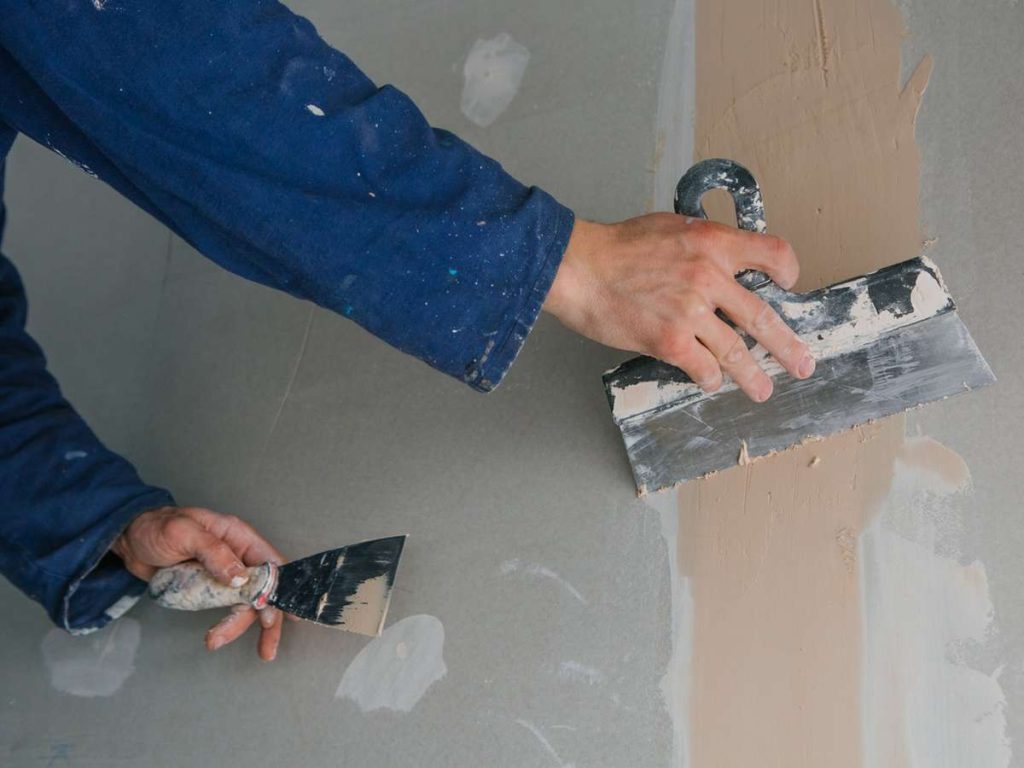
After we have damp proofed your property, we can begin to plaster it. This allows us to restore your home or business to its former self, now free of damp, mould, or anything else we found. Our skilled team work quickly and professionally, ensuring quality work every time.