
Internal Insulation for Period Properties Dublin
Thermal Improvements for Dublin Period Homes
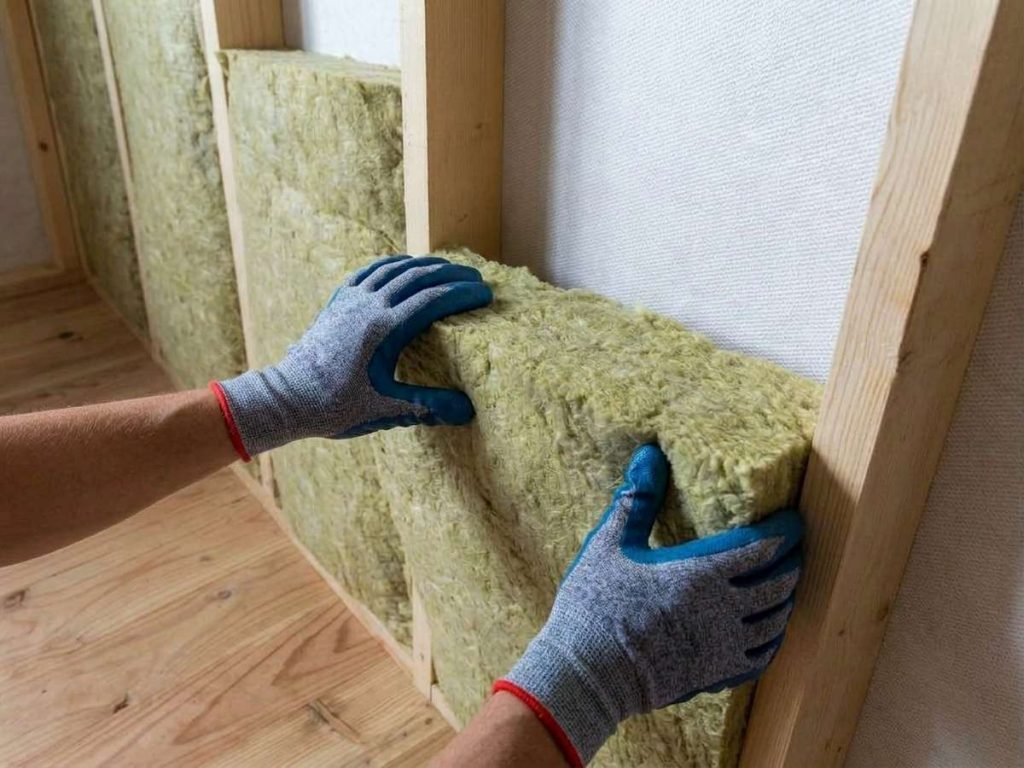
Establishing the Construction of the Original Building
Before insulating a period property, it is important to establish how the existing wall has been constructed and altered over time. Dublin houses can contain solid brickwork, stone masonry, mixed construction and areas that were modified during extensions or previous renovations. Even where a property appears uniform from the outside, internal wall construction can vary between rooms and elevations. Existing plaster may also consist of several layers added at different stages, with lime-based finishes in some areas and more modern cement or gypsum materials elsewhere. These details matter because they influence how moisture moves through the wall and how the proposed insulation system will interact with the existing materials. A visual inspection of staining, cracking, salt deposits and deteriorated finishes can provide useful information, while external details such as pointing, gutters and rainwater goods should also be considered. Understanding the building before insulating helps prevent inappropriate materials being installed over unresolved defects.
Moisture assessment is especially important for older solid-wall properties because insulation changes the thermal conditions of the masonry. When insulation is installed internally, less heat from the room reaches the original wall. The masonry can therefore become colder, which may influence its ability to dry and the way moisture behaves within the wall. If dampness is already present, this should be investigated before it becomes enclosed behind a new internal system. Possible sources include rain penetration, defective external finishes, plumbing leaks, ground-related moisture and condensation. These causes should not be treated as interchangeable because they require different approaches. Attention may also be needed around chimney breasts, window openings, floors and ceilings where construction changes can create localised moisture or temperature differences. For period homes, understanding both the wall construction and its moisture condition provides an important foundation for deciding whether the property is ready for internal insulation and what type of system may be appropriate.
Breathability and Traditional Dublin Masonry
Breathability is an important consideration when upgrading traditional masonry because older brick and stone walls can absorb and release moisture over time. This behaviour is different from the sealed construction commonly associated with modern buildings. Moisture can move through masonry, mortar joints and finishes, and the materials applied to the wall can influence whether that moisture is able to dry. Internal insulation should therefore be considered as part of the complete wall build-up rather than as an independent layer. A suitable approach takes account of the existing masonry, plaster and finishes while avoiding unnecessary restriction of appropriate moisture movement. Breathability does not mean that an actively damp wall should simply be covered with breathable materials. Water ingress and other moisture sources still need to be identified and dealt with. Instead, the principle is to use a compatible system that improves thermal performance while remaining appropriate to the way the traditional wall interacts with moisture and changing environmental conditions.
Older Dublin period properties may have been repaired several times, and those repairs can have a considerable effect on moisture behaviour. Cement pointing, impermeable paints, waterproof coatings or dense plaster can restrict drying compared with more traditional materials. At the same time, damaged external joints, leaking gutters and exposed masonry can increase the amount of moisture entering the building fabric. These factors should be considered before internal insulation is installed. Once the wall is thermally altered, the distribution of heat and moisture can change, making it important to understand the conditions beforehand. Internal humidity is also relevant because water vapour generated by everyday household activities can contribute to condensation on colder surfaces. A thermal upgrade therefore needs to consider both moisture entering the wall from outside and humidity generated inside the property. For a traditional Dublin house, this broader approach helps ensure that insulation supports improved thermal performance without creating an unnecessarily restrictive wall assembly.
Managing Condensation in Insulated Period Walls
Condensation can become a concern when the thermal behaviour of an older solid wall changes. Before insulation, heat from the room can pass into the masonry and help maintain its temperature. Internal insulation reduces this heat flow and can make the original wall colder, while the new internal surface becomes warmer. This can be beneficial for comfort, but the details of the system need to be carefully considered. Areas that are not insulated to the same level can remain cold and become potential condensation points. In period Dublin properties, these areas may include window reveals, corners, chimney breasts, floor junctions, ceiling junctions and locations where internal insulation cannot be continuous. The main wall surface may therefore perform well while individual details continue to present a risk. Considering these areas during the planning stage helps create a more consistent thermal envelope and reduces the likelihood that cold bridges will undermine the benefits of the wider insulation system.
The moisture content of the indoor air is equally important. Kitchens, bathrooms, drying laundry and normal household occupation all generate water vapour. If humidity remains high, condensation can occur even where insulation has improved the temperature of the main wall surface. Internal insulation should therefore be viewed as one element of a broader moisture-management strategy rather than a standalone cure for damp. It can improve surface temperatures and reduce heat loss, but it cannot resolve leaking gutters, penetrating rainwater or excessive indoor humidity. Correctly identifying the cause of moisture before work begins is therefore essential. The finished system should be designed with suitable attention to insulation continuity, junctions and internal finishes. For period properties, this is particularly valuable because architectural features can create more complicated wall junctions than those found in modern buildings. A considered approach helps improve thermal comfort while reducing avoidable condensation risks.
Request a Free Quote
Traditional Plaster and the New Wall Build-Up
The existing plaster is an important part of assessing an older property before internal insulation is installed. Dublin period homes can contain original or replacement lime plaster, gypsum finishes, cement-based repairs and several layers of decorative coating. These materials can behave differently when exposed to moisture, and their condition can vary considerably across the same property. Salt-contaminated, loose or deteriorated plaster may indicate a previous or continuing moisture issue that needs attention before the wall is upgraded. Other areas may be sound and compatible with the proposed system. The objective is not automatically to remove every existing layer, but to establish whether the current finish provides an appropriate base for the new construction. The plaster system selected for the completed wall should also be considered in relation to the underlying masonry and insulation. In a traditional property, the finish contributes to the way the wall manages moisture as well as providing the final internal appearance.
The completed internal wall system should be assessed as a whole, including the insulation, plaster layers, junctions and existing masonry. Thermal performance depends on more than the insulation material’s stated performance because gaps, cold bridges and poorly treated openings can affect the finished result. Period properties often have recessed windows, chimney breasts, uneven masonry and other features that require individual consideration. Window reveals can be particularly important because they may become colder than the main insulated surface if they are not treated appropriately. Similarly, junctions with floors, ceilings and adjoining walls can influence the overall thermal behaviour of the room. The aim is to achieve a meaningful improvement in warmth and surface temperature without compromising the traditional building fabric. At Damp Proofing Dublin, the insulation and plaster system can therefore be considered together with the condition of the existing wall. This creates a more appropriate route to improving thermal performance in older Dublin homes.
Local Internal Insulation for Dublin Period Properties
Damp Proofing Dublin provides internal insulation and thermal upgrade services locally for period properties and older homes throughout Dublin. The service is intended for buildings where solid masonry, traditional construction or the need to retain the external appearance makes internal thermal improvement a practical consideration. Every period property has its own construction history, and the condition of the masonry, plaster, finishes and previous repairs can vary considerably. This means the appropriate insulation approach should be based on the property rather than selected from a generic specification. Damp control forms an important part of that process. Existing moisture, condensation, external defects and the condition of the wall should be considered before the insulation build-up is finalised. This helps ensure that the thermal upgrade works with the existing building fabric and does not simply conceal problems that require separate attention.
If you own a period property in Dublin and are considering internal insulation, contact Damp Proofing Dublin to arrange an assessment and discuss the thermal requirements of your home. We can consider the existing masonry, moisture conditions, plaster systems and areas of heat loss before determining the appropriate next steps. This is particularly important for older properties where improving thermal performance needs to be balanced with breathability and responsible moisture management. Get in touch with Damp Proofing Dublin today to enquire about internal insulation, damp control and thermal upgrades for your Dublin period property. Our insulation and thermal upgrade service is provided locally across Dublin, helping homeowners improve the comfort and performance of older properties while giving proper consideration to their traditional construction.

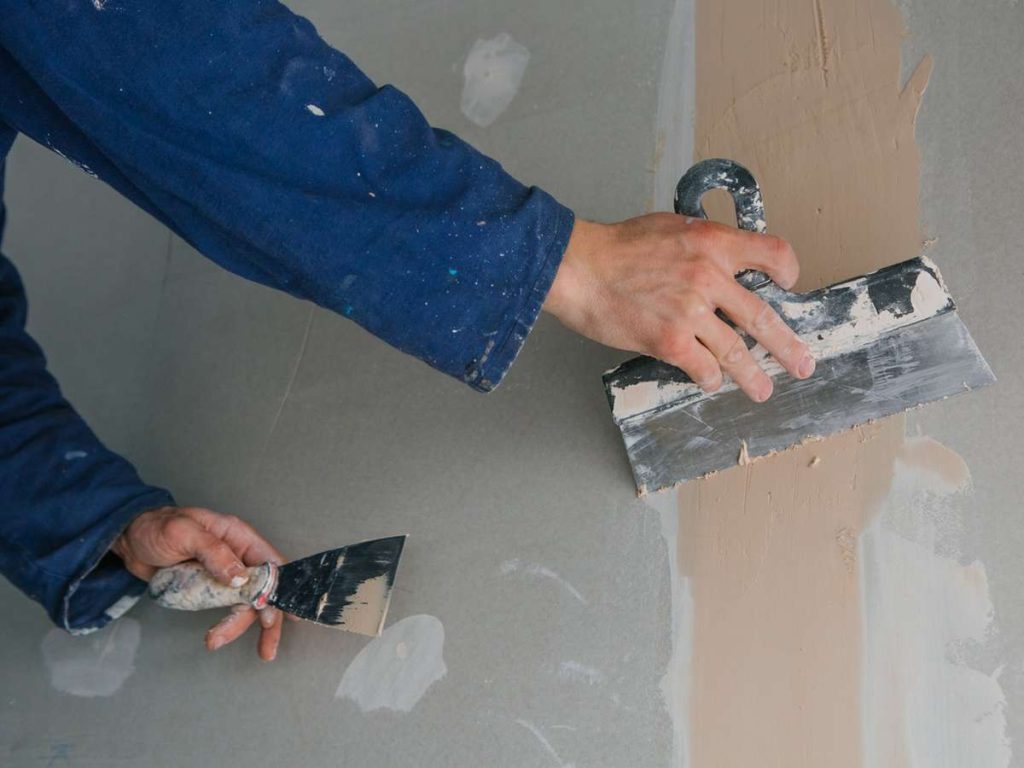
After we have damp proofed your property, we can begin to plaster it. This allows us to restore your home or business to its former self, now free of damp, mould, or anything else we found. Our skilled team work quickly and professionally, ensuring quality work every time.