
Damp-Safe Internal Wall Insulation Dublin
Damp-Safe Insulation Dublin Homes
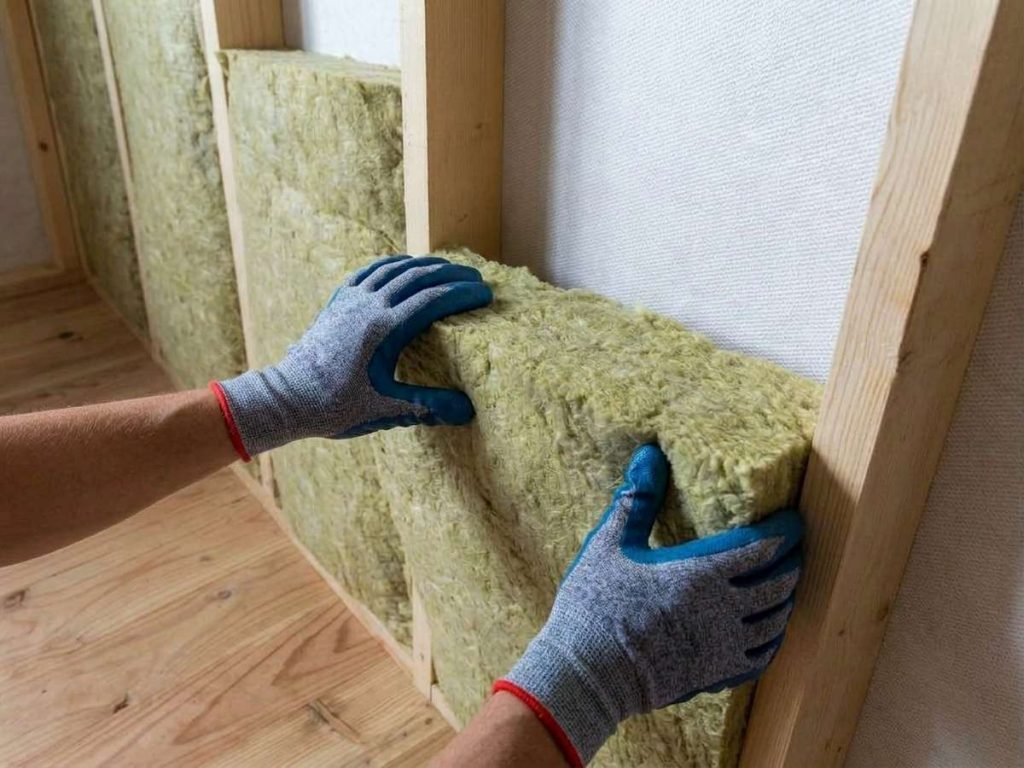
Damp-safe internal wall insulation requires more than adding insulation to the inside of an external wall. In older Dublin houses, solid brick, stone, lime mortar and traditional plaster can respond to moisture very differently from modern cavity-wall construction. These materials may absorb small amounts of moisture and release it gradually, so any internal thermal upgrade needs to consider how the existing wall currently behaves. Damp Proofing Dublin provides internal insulation solutions with damp control in mind, helping improve warmth and thermal performance without ignoring the condition of the masonry underneath. Before installation, the wall should be considered as a complete system rather than a simple surface. Existing finishes, previous repairs, damp symptoms, ventilation and exposed masonry can all influence the suitability of an insulation build-up. The aim is to create warmer internal surfaces and reduce heat loss while avoiding unnecessary moisture problems. For traditional Dublin properties, this building-specific approach is particularly important where the original walls were never designed around modern impermeable materials.
Dublin Wall Condition Assessment
Assessing the existing wall is an essential step before internal insulation is installed. Older Dublin houses can contain solid brickwork, stone masonry, mixed construction and areas that have been altered during previous renovations. The internal wall may also have several generations of finishes, including lime plaster, gypsum, cement repairs, paint coatings and patched sections. These materials can influence moisture movement and may behave differently once the wall is insulated. Visible staining, mould, salt deposits, peeling paint or persistently cold areas should not simply be covered by a new lining. They can indicate moisture or thermal problems that need to be understood first. External inspection is equally important because rainwater can enter through damaged pointing, defective gutters, leaking downpipes or exposed masonry. Damp Proofing Dublin considers these factors when assessing whether an internal insulation system is appropriate. The purpose is not merely to find a place to install insulation, but to understand the wall’s existing condition before changing its thermal and moisture behaviour.
Moisture assessment is particularly important in solid-wall Dublin properties because moisture can move through masonry without always producing obvious signs immediately. Traditional walls were often built using lime-based materials that allowed gradual drying, whereas later cement renders, waterproof coatings or dense internal plasters may restrict that process. If an existing wall contains moisture, installing insulation without understanding its source can alter the drying pattern and potentially create problems behind the new system. Moisture may originate from penetrating rain, ground-related damp, plumbing defects or condensation, and these causes should not be treated as interchangeable. Damp-safe insulation depends on understanding which type of moisture is present and how the wall responds to it. Once the construction and moisture condition have been assessed, the insulation build-up can be selected with greater care. This helps ensure that thermal improvements are not achieved at the expense of the wall’s ability to manage moisture appropriately.
Moisture-Safe Dublin Masonry
Traditional masonry relies on a different relationship with moisture from many modern building systems. Solid brick and stone walls can absorb limited moisture and gradually release it through evaporation, particularly where lime mortar and compatible plaster allow the wall to dry. This is often described as breathability, but breathable construction should not be confused with accepting uncontrolled dampness. A wall experiencing active water penetration, leaking rainwater goods, plumbing defects or significant ground moisture still requires the underlying problem to be addressed. Internal insulation should be introduced only after the moisture condition has been considered. Damp Proofing Dublin approaches breathable internal wall systems with the understanding that the insulation layer, plaster, vapour control arrangements and existing masonry all interact. The objective is to improve thermal resistance while avoiding unnecessary restriction of the wall’s natural drying potential. For older Dublin homes, this balance can be particularly important where traditional materials have been combined with modern repairs over many years.
Moisture movement can change when insulation is fitted internally because the original wall is no longer exposed to the same internal temperature conditions. The masonry behind the insulation may remain cooler, potentially affecting where moisture condenses, accumulates or dries. This does not mean that internal insulation is unsuitable for solid-wall properties, but it does mean that the system needs to be appropriate to the construction. Insulation characteristics, vapour movement, wall exposure, existing finishes and drying potential should be considered together. A breathable material alone cannot make an unsuitable or persistently wet wall safe to insulate. The source of moisture must first be understood and controlled. In older Dublin properties, this distinction is important because walls may have already been affected by dense cement pointing, waterproof coatings or non-breathable plaster. A damp-safe approach aims to work with the building’s existing moisture behaviour while improving thermal performance in a controlled and considered way.
Dublin Condensation Risk Control
Condensation is an important consideration when improving the thermal performance of an older Dublin property. Internal insulation generally raises the temperature of the finished internal wall surface, which can make rooms feel warmer and reduce surface condensation across properly insulated areas. However, older buildings contain many junctions where insulation may be interrupted or difficult to continue. Window reveals, chimney breasts, external corners, floor junctions, ceiling connections and changes between different wall constructions can remain colder than the main insulated surface. These areas may form thermal bridges and become vulnerable to condensation if indoor humidity is high. A damp-safe insulation approach therefore needs to consider the complete wall rather than focusing only on the largest uninterrupted surfaces. Existing ventilation and moisture production within the home also matter. Cooking, bathing, drying clothes and normal occupation all introduce water vapour. Improving insulation can help surface temperatures, but the building still needs suitable moisture management after the thermal upgrade.
Not every damp-looking mark on an older wall is caused by condensation. Mould can develop where humid indoor air meets a cold surface, but staining may also result from penetrating rain, plumbing leaks or other sources of moisture. This distinction should be established before internal insulation is installed. Covering an unresolved damp source can make future drying and diagnosis more difficult. Particular attention may be needed around sash windows, chimney structures, corners and other areas where heat loss is concentrated. Improving these vulnerable areas can help create more consistent internal temperatures and reduce cold spots. At the same time, ventilation needs to be considered so that moisture generated inside the property does not remain trapped. Damp Proofing Dublin treats condensation risk as part of the wider thermal and moisture assessment rather than as an isolated insulation issue. The aim is to produce a warmer wall surface while maintaining sensible control of indoor humidity and existing moisture sources.
Request a Free Quote
Insulation and Plaster Systems For Dublin Walls
The plaster layer can have a major influence on how an internal insulation system performs in an older Dublin property. Traditional houses may contain original lime plaster alongside later gypsum repairs, cement-based patches, modern coatings and areas previously repaired following damp problems. These different materials do not have identical moisture characteristics. Lime plaster can support gradual moisture movement and drying, while dense cementitious finishes can restrict moisture transfer in some traditional wall constructions. Older plaster may also contain salts left behind following prolonged damp exposure. If these conditions are ignored, new insulation and finishes may not perform as intended. Before installation, the existing plaster should therefore be considered alongside the masonry itself. Some sound areas may be suitable for retention, while damaged or incompatible finishes may require attention. The objective is to establish a wall build-up that works with the property’s construction rather than simply placing insulation over existing defects. This is particularly important where the internal finish forms part of the wall’s overall moisture management.
The plaster finish also contributes to the final thermal and practical performance of the upgraded wall. Insulation thickness is only one part of the equation. Window openings, doors, chimney breasts, floor junctions and changes in masonry can all influence heat flow and surface temperature. Poor detailing can leave narrow cold areas where condensation remains possible despite insulating the main wall. A suitable plaster system can help complete the internal build-up while supporting the intended moisture and thermal characteristics. Damp Proofing Dublin considers the insulation and plaster as connected components rather than separate products. The chosen system should reflect the condition of the existing wall, the desired thermal improvement and the way moisture needs to move through the construction. For traditional Dublin properties, this can be more important than simply selecting the thickest available insulation. A carefully considered build-up can improve comfort while reducing the risk of creating a new moisture problem behind the finished internal wall.
Local Insulation & Thermal Upgrades in Dublin
Damp Proofing Dublin provides damp-safe internal insulation and thermal upgrade services locally throughout Dublin. The service is suited to older properties where improving wall performance needs to be considered alongside traditional masonry and existing moisture conditions. Solid-wall houses can often benefit from internal insulation where external alterations are unsuitable, particularly when an existing brick or period façade needs to remain unchanged. However, each wall can have a different combination of materials, repairs, exposure and previous damp treatment. Assessing these factors before installation allows the insulation system to be considered as part of the property’s wider damp control strategy. The focus is on improving internal thermal performance while recognising the behaviour of the existing wall. This can be particularly relevant where homeowners are experiencing cold external walls, uneven temperatures, condensation-prone areas or excessive heat loss. By combining insulation assessment with moisture awareness, the service is designed around the realities of older Dublin housing rather than a standard modern construction.
The insulation and thermal upgrade service is available locally across Dublin for homeowners seeking warmer, more thermally efficient interiors while protecting traditional wall construction. Before work begins, consideration can be given to solid masonry, plaster systems, moisture movement, breathability, condensation risk and areas where thermal bridging may occur. This helps ensure that the proposed internal wall system responds to the actual building rather than relying on a generic specification. Damp Proofing Dublin can provide internal insulation and thermal upgrade services where damp control and improved wall performance need to be considered together. If your property has older solid walls and you are concerned about cold rooms, condensation, heat loss or existing damp conditions, an assessment can help establish whether internal insulation is suitable. Contact Damp Proofing Dublin to discuss damp-safe internal wall insulation, traditional masonry, moisture control and thermal upgrades for your Dublin property.

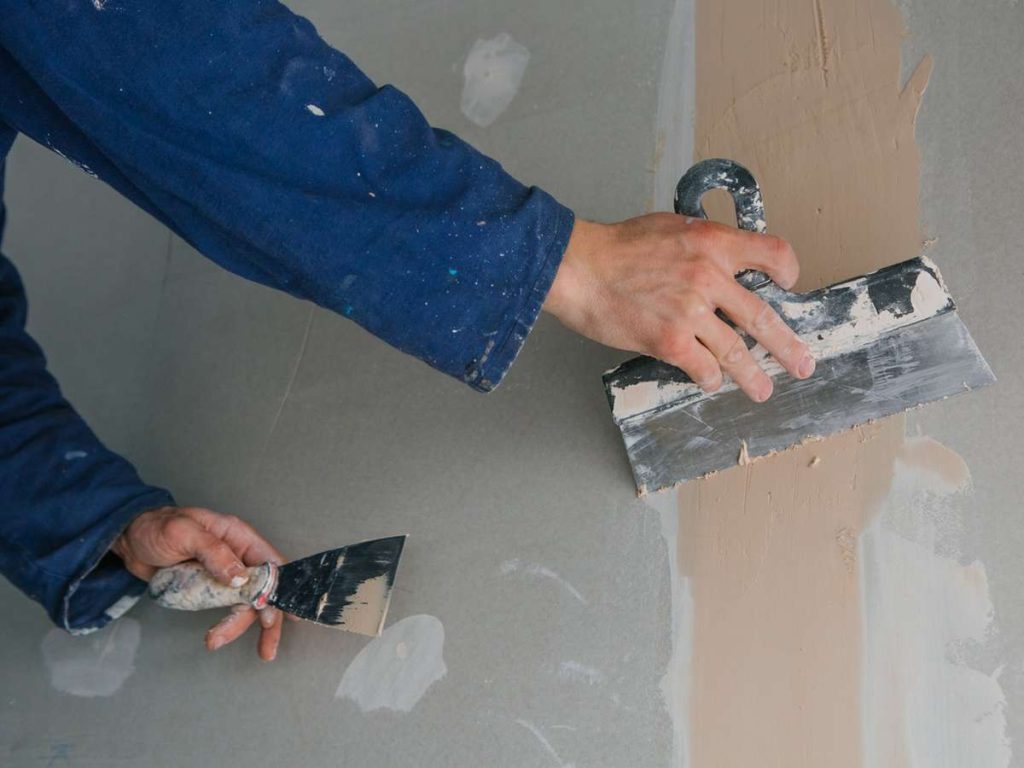
After we have damp proofed your property, we can begin to plaster it. This allows us to restore your home or business to its former self, now free of damp, mould, or anything else we found. Our skilled team work quickly and professionally, ensuring quality work every time.