
Rising Damp vs Condensation in Dublin Homes
Rising Damp Or Condensation
Rising damp and condensation can both make a Dublin home feel damp, but they are caused by very different moisture problems. Rising damp occurs when moisture from the ground enters masonry and travels upwards through porous building materials, usually because a damp proof course is missing, damaged or bridged. Condensation happens when warm, moisture-laden indoor air comes into contact with colder surfaces and turns into water droplets. Understanding this difference matters because the appropriate solution depends on the source. Rising damp may require investigation of the DPC, external ground levels or other building defects, while condensation is usually associated with humidity, ventilation, heating and cold surfaces. The symptoms can sometimes overlap, particularly where mould or damaged finishes are present. This can make it difficult for homeowners to identify the problem simply by looking at a wall. Damp Proofing Dublin can assess the location, pattern and condition of the affected areas to help determine which moisture problem is actually present.
Rising Damp Symptoms in Dublin
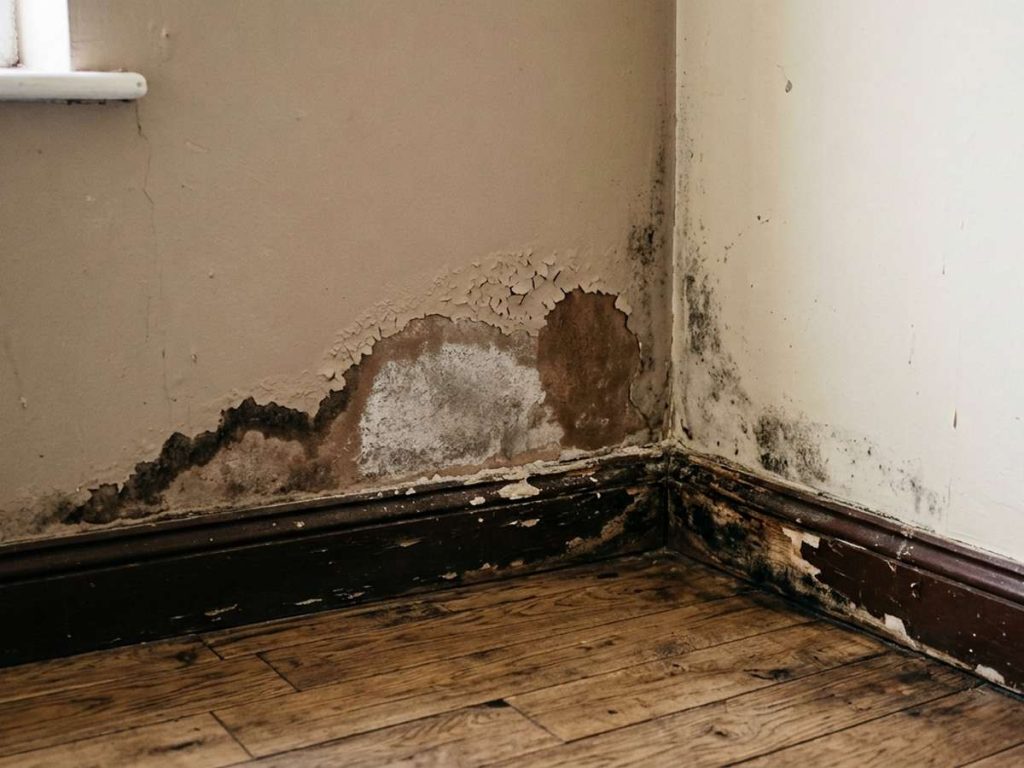
Rising damp typically produces symptoms towards the bottom of walls, often starting close to floor level and extending upwards to varying heights. Homeowners may notice staining, a tide mark, peeling paint, crumbling plaster or damaged skirting boards. White or powdery salt deposits can also appear where moisture has travelled through masonry and evaporated from the wall surface. The exact appearance depends on the construction, finishes and history of the building. A wall affected by rising damp may remain persistently problematic even after repainting because the underlying moisture source has not been removed. This is different from many condensation problems, where the visible moisture is usually found on the surface of colder areas. Rising damp should not be diagnosed from one symptom alone, however. Penetrating damp, plumbing leaks and other moisture sources can also damage low-level walls. Damp Proofing Dublin can examine the affected area and surrounding building conditions to determine whether the pattern is consistent with moisture rising from the ground.
Some signs can provide useful clues that rising damp deserves investigation:
- Damp staining concentrated near floor level
- A horizontal tide mark on masonry
- White salt or crystalline deposits
- Crumbling or deteriorating plaster
- Peeling paint near the bottom of walls
- Damaged or swollen skirting boards
- Dampness that remains despite improved ventilation
- Repeated damage after repainting
These symptoms are not definitive proof of rising damp, but several appearing together can justify further investigation. External conditions should also be considered. High ground levels, paving, render or other materials can sometimes bridge a DPC and allow moisture to bypass it. Drainage problems can also keep masonry persistently wet. For Dublin homeowners, this is particularly relevant in older properties where external levels and building details may have changed over time. Rather than assuming that a damp wall needs a standard treatment, Damp Proofing Dublin can investigate the evidence and determine whether rising damp is likely or whether another moisture source should be addressed.
Condensation Symptoms in Dublin
Condensation is usually easier to recognise when you know where to look. It forms when moisture in indoor air meets a surface that is cold enough for the water vapour to condense. You may notice droplets on windows, damp-looking patches around window frames, wet bathroom surfaces or moisture on colder external walls. Condensation can also contribute to mould, particularly in corners, behind furniture and around windows where air circulation is limited. Unlike rising damp, condensation is not caused by moisture travelling upwards from the ground. Everyday activities such as showering, cooking, drying clothes and even breathing release moisture into indoor air. If ventilation is inadequate, that moisture can accumulate. During colder weather, the problem can become more noticeable because the temperature difference between indoor air and cold surfaces increases. In Dublin homes, where heating and ventilation patterns change throughout the year, condensation can become particularly noticeable during autumn and winter.
Typical condensation clues can include:
- Water droplets forming on windows
- Black mould around window frames
- Mould appearing in corners
- Damp patches on colder external walls
- Moisture behind wardrobes or furniture
- A musty smell in poorly ventilated rooms
- Increased problems during colder weather
- Moisture appearing after cooking or showering
Improving ventilation can often help reduce condensation, although the appropriate measures depend on the property. Extractor fans, controlled ventilation, adequate heating and allowing moist air to escape can all play a role. However, homeowners should not automatically assume that mould or surface dampness is caused by condensation. If a wall is persistently damp at low level or plaster is deteriorating, another moisture source may be involved. Damp Proofing Dublin can help distinguish condensation from rising damp by considering where the moisture appears, when it occurs and what other evidence is present.
Rising Damp Versus Condensation Dublin
The easiest way to compare the two is to consider where the moisture comes from. Rising damp originates below the building and moves upwards through porous masonry. Condensation originates from moisture already present in indoor air and forms when that air meets a sufficiently cold surface. Because their causes are different, their symptoms and solutions can also be different. Rising damp is more commonly associated with low-level wall deterioration, salts and damaged plaster. Condensation is more commonly associated with surface moisture, mould and water droplets on cold surfaces. However, there can be overlap. A wall affected by condensation can eventually suffer paint or plaster deterioration, while a room with rising damp may also have poor ventilation and condensation elsewhere. The presence of mould does not automatically mean condensation, just as a damp patch near the floor does not automatically mean rising damp. Looking at the complete pattern is therefore more reliable than focusing on one visible symptom.
A simple comparison can help homeowners understand the differences:
| Rising Damp | Condensation |
|---|---|
| Moisture originates from the ground | Moisture comes from indoor air |
| Usually affects lower wall areas | Often affects cold surfaces |
| Can cause salt deposits | Commonly associated with mould |
| May damage plaster and skirting | Often causes surface moisture |
| Linked to DPC or building conditions | Linked to humidity and ventilation |
| May require remedial damp proofing | May require ventilation and humidity control |
This comparison is useful as a starting point, not as a diagnosis. Buildings behave differently depending on their construction, heating, ventilation and previous alterations. If the signs do not clearly fit either category, it is better to investigate than to guess. Damp Proofing Dublin can assess the property and explain whether the evidence points towards rising damp, condensation or another form of moisture problem.
Damp Problems Can Overlap
It is entirely possible for a Dublin property to experience both rising damp and condensation. These are not mutually exclusive problems. For example, an older house could have moisture entering a lower section of masonry while also developing condensation on windows and cold external walls during winter. A homeowner might therefore see mould in one part of the property and salt-contaminated plaster in another. Treating only one issue may leave the other unresolved. This is why a complete assessment can be more useful than assuming that every damp symptom has one single cause. The building’s age, construction, heating, ventilation, external ground levels, plumbing and previous repairs can all influence moisture behaviour. Understanding the different sources also prevents homeowners from applying the wrong remedy. Increasing ventilation will not correct a defective DPC, while installing damp proofing will not necessarily solve condensation caused by excessive indoor humidity and inadequate ventilation.
When several moisture problems are present, it can help to consider the symptoms separately:
- Low-level salt deposits may suggest masonry moisture
- Mould around windows may indicate condensation
- Crumbling plaster can have several possible causes
- Water appearing after rainfall may indicate penetration
- A plumbing leak can create isolated damp areas
- High indoor humidity can worsen surface condensation
- External ground levels can contribute to wall moisture
- Poor ventilation can increase condensation risk
The objective is not to give every symptom a separate label, but to understand how the different factors interact. Damp Proofing Dublin can assess the property as a whole and help identify which issues need attention. This can prevent homeowners from spending money on a damp treatment when the main problem is ventilation, or attempting to solve condensation with work that will not address indoor humidity.
Request a Free Quote
Diagnosing Damp and Condensation in Dublin
Accurate diagnosis is important because rising damp and condensation require different approaches. A visual inspection can provide useful clues, but it should consider more than the appearance of the wall. An assessment may look at the location and height of dampness, the condition of plaster, the presence of salts, external ground levels, the DPC, drainage, gutters and downpipes. For suspected condensation, attention should also be given to ventilation, heating, room use, indoor humidity and the temperature of affected surfaces. Moisture measurements can be useful as part of the process, but they should be interpreted alongside the building and its construction rather than being treated as a standalone answer. This is particularly important in Dublin properties because older buildings may have been extended, renovated or repaired several times. Previous work can change how moisture moves through walls and may sometimes create new pathways for water. A proper assessment should therefore establish the likely cause before treatment is recommended.
If you are unsure whether you are dealing with rising damp or condensation, look at the pattern rather than one isolated symptom. Questions worth considering include:
- Where exactly is the moisture appearing?
- Is it concentrated at floor level?
- Are there white salts on the wall?
- Is mould appearing around windows or corners?
- Does the problem become worse during cold weather?
- Does it change after rainfall?
- Is ventilation adequate in kitchens and bathrooms?
- Have previous damp repairs failed?
- Are external ground levels close to the DPC?
The answers can help point towards the likely cause, but they should not be treated as a substitute for a professional assessment. Damp Proofing Dublin can investigate the evidence and explain whether the property appears to have rising damp, condensation or another moisture problem. Where rising damp is confirmed, suitable remedial options can be discussed. Where condensation is the main issue, the advice may instead focus on ventilation, heating, moisture production and improving the indoor environment. The important point is to treat the actual cause rather than the most obvious symptom.
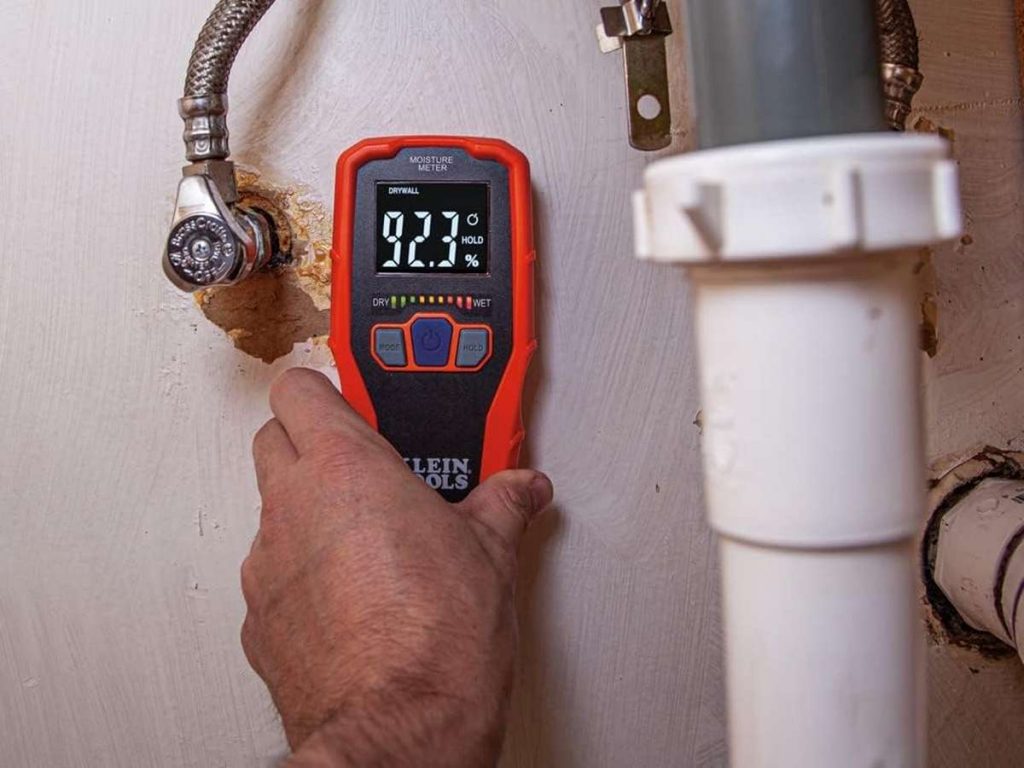
A damp survey can help identify the cause of moisture, staining, mould and other signs of damp within a property. Damp can occur for a number of different reasons, and identifying the source is an important first step before deciding what treatment is required.
Why Choose Damp Proofing Dublin?
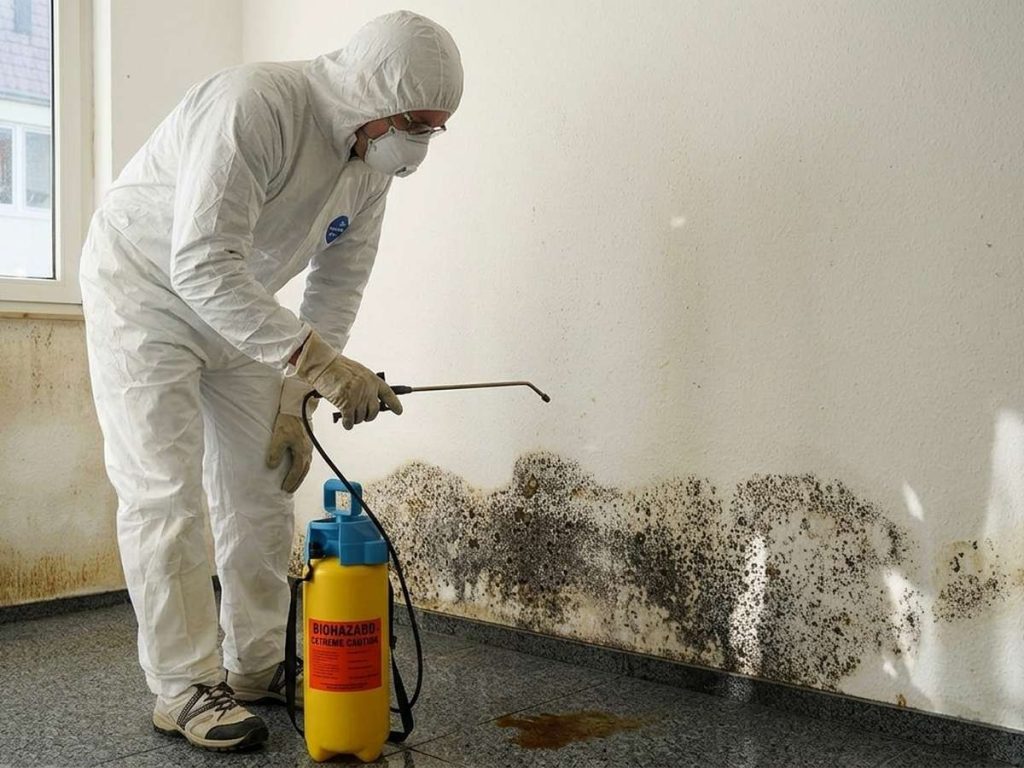
Choosing Damp Proofing Dublin for an assessment means having the two conditions considered separately rather than automatically treating every damp patch as rising damp. This distinction can save homeowners unnecessary expense and help ensure that the recommended solution matches the actual moisture problem. A contractor should be prepared to consider condensation, penetrating damp, plumbing issues and external moisture as well as rising damp. This is especially important in Dublin homes where older construction, extensions, renovations and changes to external ground levels can affect moisture behaviour. Damp Proofing Dublin can investigate the symptoms and surrounding conditions, helping homeowners understand what is happening before remedial work is proposed. The purpose is not simply to make a damp mark disappear but to understand why it appeared in the first place. This provides a more useful basis for deciding whether the property needs damp proofing, improvements to ventilation, repairs to external elements or another form of moisture control.
There are six practical reasons to consider Damp Proofing Dublin when trying to distinguish rising damp from condensation:
Cause-Focused Assessment
The investigation considers the likely source of moisture rather than assuming every damp patch is rising damp.
Dublin Property Knowledge
Local experience can be valuable when assessing older homes, renovated properties and different construction types.
Clear Diagnosis
Homeowners can receive straightforward information about whether the symptoms appear consistent with rising damp, condensation or another issue.
Appropriate Treatment
Recommendations can be based on the identified cause rather than applying the same treatment to every moisture problem.
Practical Advice
Customers can receive guidance about damp proofing, ventilation, drying, plaster and other relevant remedial considerations.
Long-Term Approach
The objective is to address the underlying moisture problem rather than repeatedly treating visible stains, mould or damaged finishes.