
How Long Does Damp Proofing Last?
Dublin Damp Proofing Lifespan

Dublin DPC Treatment Duration
When rising damp has been correctly diagnosed, a remedial damp-proof course creates a barrier designed to stop moisture travelling upwards through the wall. Chemical injection systems are one method used for this purpose, and their expected lifespan is generally measured in decades rather than a few years. Some Irish specialists state that professionally installed chemical DPCs typically carry guarantees of 20–30 years, although guarantee terms differ between providers and systems. The effectiveness of the treatment depends heavily on correct installation and suitable preparation. The wall construction, moisture levels, existing DPC and possible bridging all need to be considered before treatment begins. This is why installing a DPC simply because a wall looks damp can be a poor approach. Dublin City guidance for older buildings specifically stresses the importance of distinguishing rising damp from other sources of damp before remedial treatment is undertaken. Correct diagnosis is therefore an important part of achieving long-term results.
The work around the DPC can also influence how successful the overall treatment is. If contaminated plaster remains in place, salts may continue to affect the wall surface even after rising moisture has been controlled. Likewise, if external ground levels or render bridge the DPC, moisture can find another route into the wall. Depending on the property, remedial work may involve:
- Installing or restoring a damp-proof course.
- Removing badly affected plaster.
- Using suitable salt-resistant or compatible finishes.
- Correcting external bridging.
- Addressing drainage or ground-level problems.
- Reinstating damaged internal surfaces.
The objective should be to create a complete remedial solution rather than simply carrying out one isolated procedure. Damp Proofing Dublin can assess these surrounding factors when investigating suspected rising damp, helping ensure that the recommended treatment is appropriate for the actual condition of the building.
Dublin Factors Affecting Longevity
Several factors can affect how long damp proofing continues to perform effectively. The first is the quality of the original installation. A treatment that has been properly specified for the wall construction and correctly installed is more likely to provide reliable long-term protection. The condition of the building also matters. Older Dublin properties can have solid masonry walls, previous alterations and unusual construction details that require a more considered approach. External ground levels are another important factor. If soil, paving, render or other materials are positioned in a way that bridges the DPC, moisture can bypass the intended barrier. Drainage problems can also create persistent moisture around the base of a property. These conditions do not necessarily mean that the damp-proof course itself has failed. They may mean that the building has developed another route for moisture to enter. This distinction is important because replacing an otherwise effective DPC would not solve the underlying problem.
Maintenance after damp proofing should therefore form part of the long-term plan. Homeowners do not normally need to carry out specialist treatment every few years, but they should pay attention to changes around the building. Regular checks can identify defects before they become significant sources of moisture. In particular, look for:
- Overflowing or damaged gutters.
- Leaking or poorly directed downpipes.
- Cracked external render or pointing.
- Raised soil or paving against external walls.
- New damp staining or peeling finishes.
- Persistent moisture around windows or roofs.
These issues are especially relevant in Dublin’s wet climate, where repeated rainfall can expose weaknesses in external building maintenance. If new damp appears years after a treatment, it is worth investigating the cause rather than assuming the original damp proofing has expired. A professional assessment can determine whether the problem is related to the original treatment, external water ingress, condensation or another source of moisture.
Dublin Older Homes And Damp
Older Dublin homes require particular care when discussing the expected lifespan of damp proofing because their construction can differ substantially from modern buildings. Some older properties were built without an effective damp-proof course, while others contain physical DPCs that have deteriorated, become bridged or been affected by later alterations. Dublin conservation guidance highlights the need for informed evaluation before remedial damp treatments are selected, particularly in older buildings. The age of a property alone does not prove that rising damp is present, however. Low-level staining may also result from plumbing leaks, external ground levels, defective floors or other moisture sources. This is why a diagnosis should consider the construction and history of the building rather than relying solely on its age. For homeowners in period Dublin properties, the most appropriate damp treatment may also need to take account of traditional materials and the way the building naturally manages moisture.
Previous renovation work can be another important factor. A wall that originally allowed moisture to evaporate may have been covered with impermeable paint, render or other materials during refurbishment. External paths may have been raised, extensions added or drainage arrangements changed. These alterations can affect moisture movement even where the original damp-proofing remains intact. If damp returns after years without problems, it is worth considering whether something around the property has changed. Damp Proofing Dublin can look at the existing construction and visible symptoms before recommending further work. This can be particularly valuable in older houses where replacing a DPC without understanding the building could result in unnecessary expense. Long-lasting damp control is ultimately about working with the property and correcting the actual moisture pathway, rather than repeatedly treating the same wall whenever staining reappears.
Request a Free Quote
Dublin Signs Damp Has Returned
If damp proofing has previously been completed, new staining does not automatically mean that the treatment has failed. One of the first things to consider is where the new moisture is appearing and whether its pattern resembles the original problem. Rising damp is generally associated with moisture affecting lower sections of walls, while penetrating damp can occur higher up around roofs, windows, gutters or external wall defects. Condensation can also produce damp and mould without there being a failure of the DPC. Dublin City guidance stresses the importance of distinguishing between different sources of damp before deciding on remedial treatment. This is particularly important where a property has already undergone damp proofing. Replacing an existing DPC without investigating the new symptoms could mean paying for a treatment that has no connection to the actual cause. A professional assessment can help determine whether the original system is functioning and whether another source of moisture has developed.
Homeowners should pay attention to changes rather than waiting for significant damage to become obvious. Signs worth investigating can include renewed salt deposits, peeling paint, deteriorating plaster, musty smells or damp patches that persist despite normal heating and ventilation. However, these symptoms should not be interpreted in isolation. A damp patch near a window may have nothing to do with rising damp, while mould in a bathroom may be primarily related to condensation. If a previously treated wall becomes damp again, useful information includes when the problem first appeared, whether it gets worse after rainfall and whether any building or landscaping work has recently been carried out. Damp Proofing Dublin can use this information alongside an inspection to establish whether further damp proofing is genuinely necessary or whether a simpler repair could resolve the issue.
Dublin Damp Proofing Maintenance
Damp proofing itself should not normally require constant maintenance once it has been correctly installed, but the building around it still needs to be looked after. A DPC is only one part of a property’s moisture protection. Gutters, downpipes, roofs, pointing, render, drainage and external ground levels all influence how much water reaches the walls. If these areas deteriorate, a property can develop damp even when the original DPC continues to work correctly. Regular property maintenance is therefore one of the simplest ways to protect a previous damp-proofing investment. This is particularly relevant for Dublin properties exposed to frequent rainfall and wind-driven rain. Keeping rainwater disposal systems clear and addressing obvious external defects promptly can help reduce unnecessary moisture around walls. Homeowners should also avoid making alterations that unintentionally bridge a DPC, such as raising external ground levels or allowing render to extend across the damp-proof course.
There is no universal schedule requiring a homeowner to replace damp proofing after a fixed number of years. The need for remedial work should be based on the condition of the system and evidence of moisture rather than an arbitrary expiry date. Some professionally installed systems are supported by guarantees lasting 20 years or more, but guarantee terms vary and should be checked with the contractor who carried out the work. If you are buying a Dublin property, it is also worth asking for records of previous damp-proofing work and checking whether any guarantee can be transferred. Guarantees may have specific requirements concerning ownership or assignment. Keeping records of previous treatments, repairs and inspections can make future diagnosis easier and help prevent unnecessary repeat work.

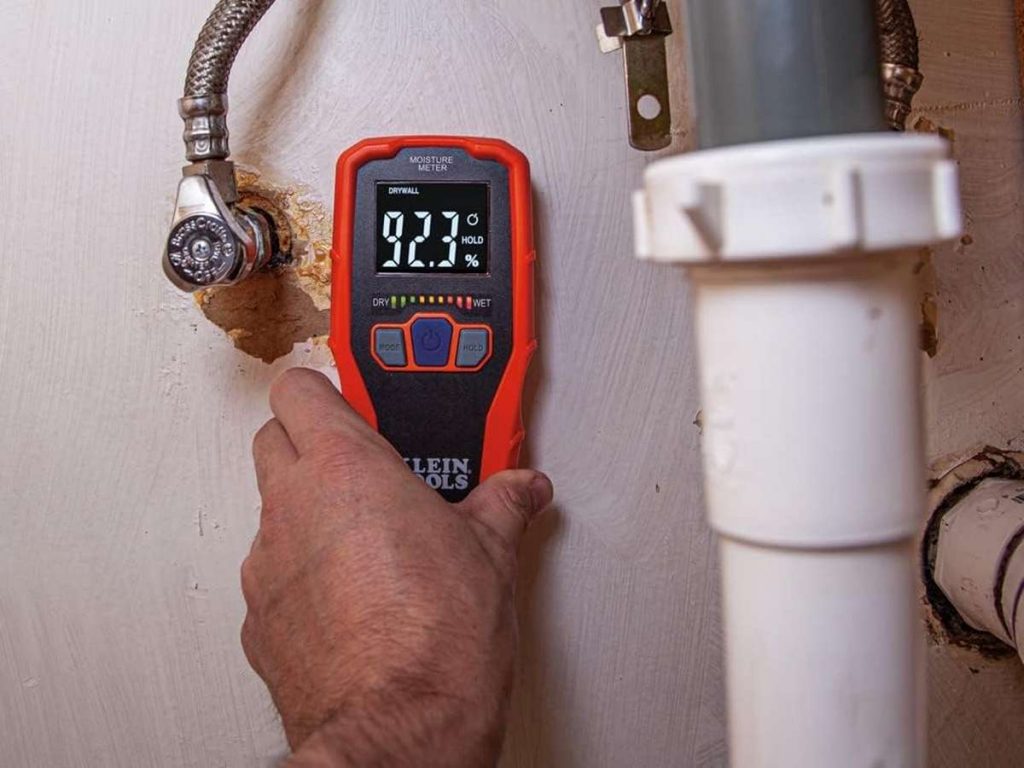
Why Choose Damp Proofing Dublin?
Choosing the right contractor is important when you want damp proofing to provide long-term protection rather than a temporary improvement. Damp Proofing Dublin can assess the property, consider the likely source of moisture and recommend treatment based on the actual problem. This cause-first approach matters because correctly identifying rising damp, penetrating damp, condensation or another moisture source is fundamental to achieving a lasting result. A new DPC cannot solve a leaking gutter, just as improving ventilation will not correct genuine rising damp. The aim should therefore be to understand the building before deciding what work is required. A clear explanation of the proposed treatment also helps homeowners understand how the work is expected to perform over time and what maintenance may be needed afterwards.
There are reasons why homeowners consider Damp Proofing Dublin for this type of work:
Dublin-focused service
Local experience can be valuable when dealing with the varied construction and age of properties throughout Dublin.
Diagnosis before treatment
The focus is on establishing the likely source of moisture before recommending remedial damp proofing.
Long-term approach
Treatment is considered alongside external conditions, bridging, drainage and other factors that can affect performance.
Clear recommendations
Homeowners can understand what work is proposed, why it is needed and what it is intended to achieve.
Suitable solutions
Different buildings require different approaches, particularly older or traditionally constructed Dublin properties.
Ongoing protection
Advice can include practical measures that help protect the building and the damp-proofing system after treatment.
Ultimately, good damp proofing should not be viewed as something that needs to be repeatedly replaced on a fixed timetable. A correctly diagnosed and professionally installed system can provide protection for decades, while sensible property maintenance can help preserve its effectiveness. If damp symptoms return, investigating the cause is more useful than assuming the original treatment has simply expired. Damp Proofing Dublin can help homeowners understand whether an existing system is still performing, whether moisture is bypassing it or whether an entirely different damp problem is responsible. That approach gives you a better chance of achieving a durable solution and avoiding unnecessary remedial costs.
Note: Lifespan figures such as 20–30 years should be presented as typical guidance rather than a promise. Guarantees are separate from expected service life and vary according to the contractor, product and terms.