
Why Old Dublin Homes Get Rising Damp?
Dublin Old Homes And Rising Damp

Dublin Ground Levels Cause Problems
Changes to external ground levels are a particularly important consideration for older Dublin houses. Over many decades, roads, footpaths, gardens, patios and driveways can be resurfaced or built up, gradually reducing the difference between the external ground and the internal floor. This can increase the amount of moisture reaching the lower section of an external wall. In some properties, a DPC that originally provided adequate protection may become bridged by raised paving, soil or render. In other properties, the relationship between the road, pavement, subfloor and wall can become a significant part of the moisture problem. A Dublin City Council case study of an older Dublin terrace found rising damp associated with local water-management conditions, including road levels and poor drainage, rather than simply attributing the problem to the absence of a DPC. This illustrates why the surrounding environment matters when assessing damp in an older property.
When investigating a traditional Dublin home, the relationship between the wall and external ground should therefore be considered carefully. A homeowner may notice damp staining internally and assume that a new DPC is required, while the actual issue may be that moisture is reaching the wall above an existing barrier. Things worth checking include:
- Height of paving or soil against external walls.
- Position of any visible damp-proof course.
- Condition and height of external render.
- Relationship between pavement and internal floor.
- Drainage around the property.
- Changes made during landscaping or renovation.
Correcting a bridging problem can sometimes be more appropriate than installing an entirely new DPC. The objective should be to stop the moisture pathway rather than automatically replace existing materials. Damp Proofing Dublin can examine the affected area and consider whether external ground levels or other surrounding details are contributing to the damp before recommending treatment.
Dublin Drainage And Rising Damp
Drainage can have a major influence on moisture around older buildings. Gutters, downpipes, surface drainage and road drainage all help control where rainwater goes. When these systems become blocked, damaged or poorly directed, large quantities of water can collect close to external walls. This does not necessarily create classic rising damp, but it can increase moisture in the ground and masonry and contribute to damp conditions at low level. Dublin’s older housing stock includes properties where external drainage arrangements have changed considerably over time. Roads and footpaths may have been resurfaced, extensions added and drainage modified. In a Dublin City Council case study, poor road drainage and the relationship between the road, footpath and house were identified as important factors associated with rising damp. This demonstrates why the moisture environment outside the house can be just as important as what is happening inside the affected room.
A damp problem should therefore be investigated from both sides of the wall. Looking only at internal staining can miss a defective downpipe or drainage problem that is continuously supplying moisture to the building. Homeowners should pay particular attention to:
- Overflowing or leaking gutters.
- Downpipes discharging beside foundations.
- Blocked surface drains.
- Water pooling beside external walls.
- Defective external paving falls.
- Drainage changes following building work.
Fixing these problems can sometimes reduce moisture without requiring extensive damp-proofing work. If a wall remains persistently damp after obvious drainage defects have been corrected, further investigation may be necessary to determine whether rising damp or another moisture source is involved. Damp Proofing Dublin can consider the external and internal evidence together, helping homeowners avoid treating the visible damp patch without addressing the reason moisture is reaching the wall.
Dublin Traditional Walls And Moisture
Many older Dublin houses were constructed using traditional masonry and materials that manage moisture differently from modern buildings. Solid brick or masonry walls do not have the same construction as modern cavity walls, and traditional lime mortar and plaster can allow moisture vapour to move through the building fabric. Problems can arise when later renovations introduce materials that are less compatible with the original construction. Dublin City Council advises that interventions in historic and traditional buildings should be sensitive to their construction methods, because inappropriate works can damage the building or change its moisture behaviour. For homeowners, this means that a damp problem should not automatically be approached in exactly the same way as one in a modern house. The materials already present in the wall can affect how moisture enters, moves through and leaves the building. Understanding those materials can therefore be important when deciding whether damp proofing, external repairs, plaster replacement or another solution is appropriate.
Previous renovations can make the situation more complicated. A wall may have been coated with several layers of modern paint, cement render or waterproof material, potentially reducing its ability to release moisture. Internal floors may also have been replaced, changing the way moisture moves between the ground and surrounding walls. Dublin City Council’s case studies document examples where later floor and wall interventions affected moisture behaviour in older houses. If your property has undergone several renovations, the history of those works can be useful when investigating rising damp. Damp Proofing Dublin can assess the current symptoms alongside the construction and visible alterations. This helps determine whether the damp is genuinely rising through the wall or whether moisture is being trapped or redirected by a previous repair. The most suitable treatment should respect the building while addressing the actual source of moisture.
Request a Free Quote
Dublin DPC Problems In Older Homes
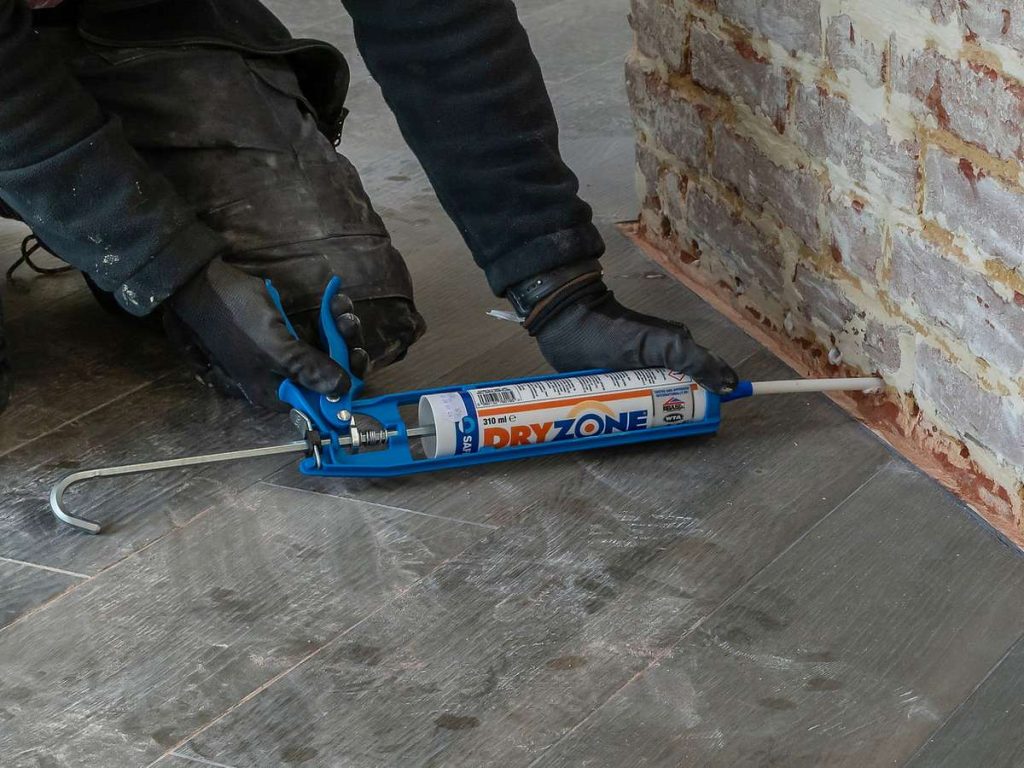
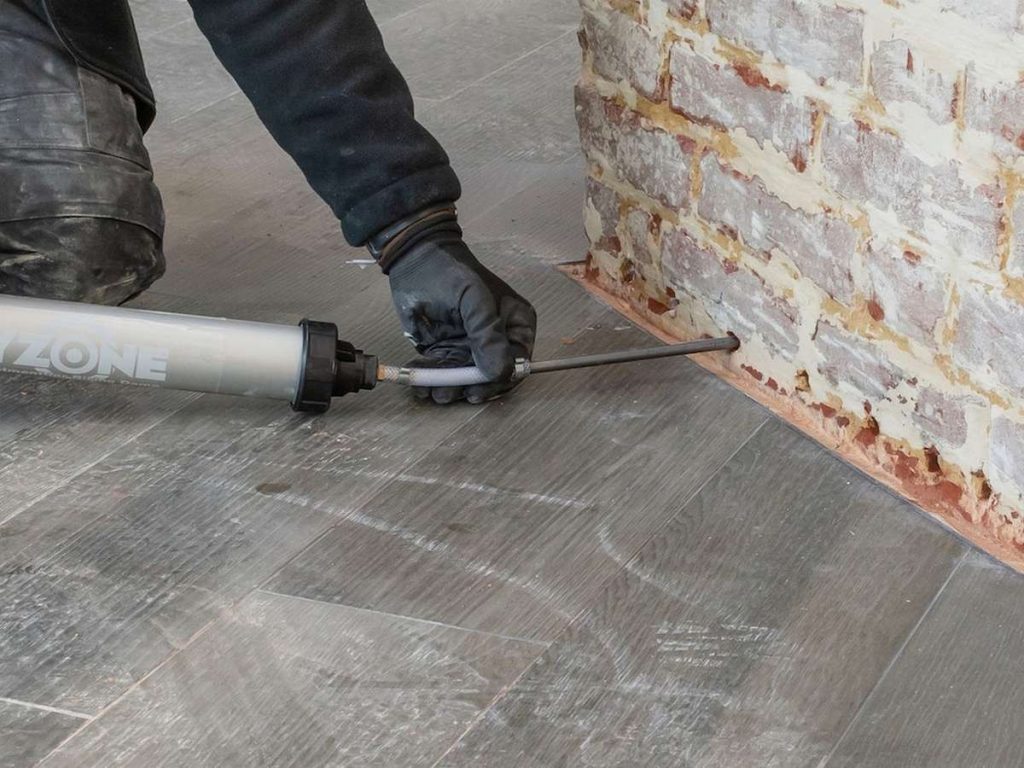
A damp-proof course is designed to restrict moisture rising through a wall, but older Dublin properties can have several different situations. Some may have no effective DPC, some may contain an older physical barrier, and others may have a DPC that remains functional but is being bypassed. Bridging is particularly important because moisture can travel around a DPC through external render, raised ground, paving or other materials. This can create the appearance of DPC failure even when the original barrier remains intact. A Dublin City Council guidance document specifically notes that traditional construction can make the insertion of a DPC more complicated and stresses the need for informed evaluation that distinguishes rising damp from other moisture sources. For this reason, homeowners should be cautious about assuming that every older damp wall needs chemical injection or physical DPC installation. The correct treatment depends on the construction, moisture pattern and reason the wall is becoming damp.
Signs that may justify a closer investigation include damp staining concentrated around the lower wall, salt deposits, damaged plaster or persistent deterioration near skirting level. However, these symptoms are not enough on their own to confirm rising damp. A proper assessment should establish whether moisture is actually moving upwards from the ground and whether anything is allowing it to bypass an existing barrier. Important considerations can include the wall construction, external ground levels, drainage, floor arrangements and previous remedial work. If genuine rising damp is confirmed, a remedial DPC may form part of the solution, potentially alongside plaster removal or other repairs. If bridging or drainage is responsible, those issues may need to be corrected instead. Damp Proofing Dublin can help determine which situation applies so that homeowners are not encouraged to pay for a treatment that does not address their particular building.
Dublin Homes Need Proper Diagnosis
One of the biggest mistakes when dealing with damp in an older Dublin property is assuming that every low-level damp patch is rising damp. Moisture can come from many different sources, and older houses may have several issues at the same time. A leaking pipe, defective gutter, damaged roof, poor external drainage or condensation can all create visible damp. Dublin City Council’s guidance for older buildings specifically highlights the need to distinguish rising damp from other sources before deciding on remedial measures. A proper diagnosis should therefore look beyond the internal stain and consider the whole building. The location and pattern of the damp can provide useful clues, but they should be considered alongside the construction, external ground conditions, drainage and history of alterations. This approach is particularly important where a property has architectural or historic significance, as inappropriate interventions can affect original building fabric.
A homeowner can help by providing information about when the damp first appeared and whether anything has recently changed around the property. For example, a new patio, external rendering, replacement floor or drainage alteration could be relevant. It is also useful to note whether the damp becomes worse following rainfall or remains consistently present. These details can help a specialist understand the likely moisture pathway. Damp Proofing Dublin can assess the evidence and explain whether the symptoms are consistent with rising damp or another problem. The aim is to recommend only the work that is appropriate for the property. In some cases, that may involve remedial damp proofing; in others, correcting drainage, lowering an external ground level or repairing a building defect may be more appropriate. A diagnosis-first approach can save homeowners money while also protecting the older building from unnecessary intervention.
Why Choose Damp Proofing Dublin?
Choosing a damp-proofing company for an older Dublin property should involve more than finding someone who can install a DPC. Traditional houses can respond differently to moisture, particularly where previous alterations have changed the original construction. Damp Proofing Dublin can approach the problem by considering the likely moisture source, condition of the affected wall and factors outside the building that may be contributing to the problem. This is important because effective damp treatment begins with understanding why the wall is wet. The objective should be to solve the moisture problem while avoiding unnecessary intervention, particularly where an older property contains original or traditionally constructed materials.
There are reasons why homeowners consider Damp Proofing Dublin for this type of work:
Local Dublin experience
Familiarity with the city’s varied older housing stock can help when assessing traditional and renovated properties.
Diagnosis before treatment
The focus is on identifying the source of moisture before recommending damp-proofing work.
Whole-building assessment
External ground levels, drainage, walls and previous alterations can all be considered alongside internal symptoms.
Suitable remedial options
Treatment can be matched to the actual condition and construction of the property.
Avoiding unnecessary work
If drainage, bridging or another defect is responsible, homeowners can be advised about addressing the underlying issue.
Long-term approach
The goal is to reduce recurring moisture problems rather than simply conceal staining or damaged finishes.
For an older Dublin home, rising damp should be treated as a building problem that deserves proper investigation rather than a simple consequence of age. The absence of a modern-looking DPC does not by itself prove rising damp, and installing one without understanding the moisture pathway may not solve the problem. Damp Proofing Dublin can help homeowners establish what is happening before deciding on remedial work. By considering the wall, ground levels, drainage, previous renovations and visible symptoms together, it becomes easier to identify a practical solution that addresses the actual source of moisture while taking the character and construction of the property into account.