
Damp in Victorian Dublin Houses
Damp Issues in Dublin Victorian Houses
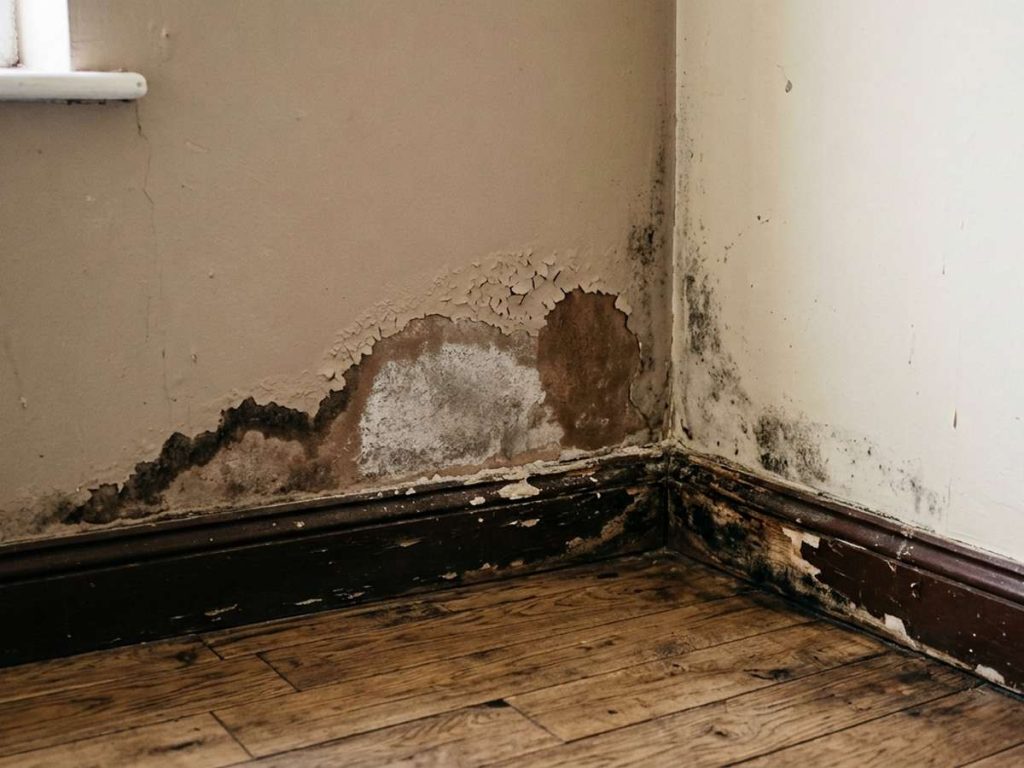
Dublin Victorian Walls Explained
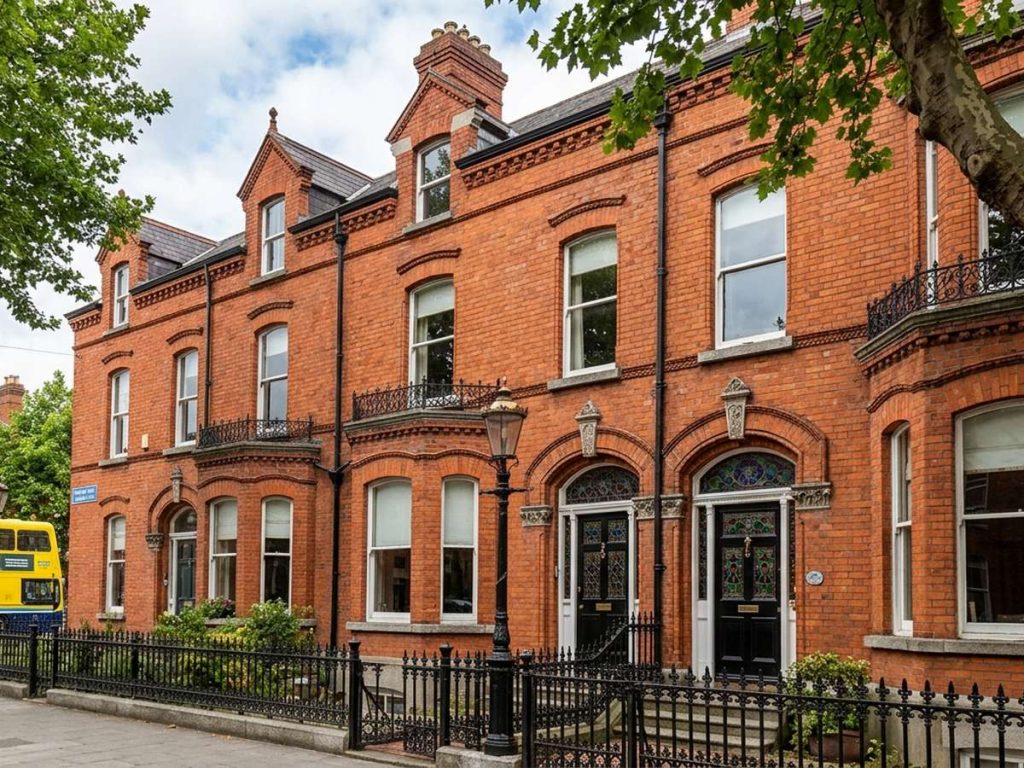
Victorian walls are commonly solid masonry rather than the cavity-wall construction found in many newer properties. Their ability to absorb and release moisture depends partly on the materials used in their construction and later repairs. Traditional brickwork and lime-based mortar can allow moisture vapour to move through the wall, while later cement-based renders, waterproof coatings and some modern paints can reduce evaporation. This does not mean that every modern material causes damp, but compatibility is important when repairing an older building. If moisture becomes trapped within a wall, it can contribute to peeling finishes, salt deposits and deteriorating plaster. These symptoms can sometimes be mistaken for rising damp even when the underlying issue is moisture retention. Dublin’s Victorian houses also vary considerably in construction, so assumptions based solely on the property’s age can be misleading. A proper inspection should consider the actual materials and condition of the affected wall before deciding what treatment is appropriate.
When investigating damp in a Victorian property, several building characteristics can influence the diagnosis. These may include:
- Solid brick or masonry walls.
- Traditional lime mortar and plaster.
- Suspended timber or altered floors.
- External ground and paving levels.
- Later cement renders or coatings.
- Previous renovation and repair work.
These elements can interact, making the source of moisture difficult to identify from an internal damp patch alone. A Victorian wall may appear damp because water is rising from the ground, entering through damaged pointing or being retained by an unsuitable finish. Damp Proofing Dublin can examine the visible symptoms alongside the building’s construction and external condition. Understanding how the wall was originally designed to manage moisture can help determine whether damp proofing, external repairs, improved drainage or another form of remedial work is more appropriate. The objective is to solve the underlying moisture problem rather than simply cover the evidence of it.
Rising Damp in Dublin Victorian Houses
Rising damp can occur in Victorian properties where moisture from the ground is able to travel upwards through porous masonry. Some houses may have been constructed without a modern damp-proof course, while others may have an existing physical barrier that has deteriorated, been bridged or been bypassed by later alterations. However, low-level damp is not automatically rising damp. Penetrating rainwater, leaking plumbing, defective drainage and condensation can produce similar staining and damage. This distinction matters because the treatment for each problem is different. A new damp-proof course cannot correct a leaking gutter, while external rendering will not necessarily resolve genuine rising moisture. The age of a Victorian house can provide useful context, but it should not be treated as proof of a particular damp problem. Damp Proofing Dublin can assess the pattern of moisture, wall construction and surrounding conditions to establish whether rising damp is a realistic explanation for the symptoms.
There are several signs that may justify investigating possible rising damp, although none should be considered conclusive in isolation. These can include damp staining concentrated towards the bottom of walls, damaged skirting boards, deteriorating plaster and salt deposits. The surrounding conditions should also be examined because an existing DPC can sometimes be bridged by external materials. Relevant factors include:
- External paving or soil raised against the wall.
- Render extending below the DPC.
- Poor drainage beside external walls.
- Persistent low-level damp staining.
- Damaged or salt-contaminated plaster.
- Previous alterations to floors or walls.
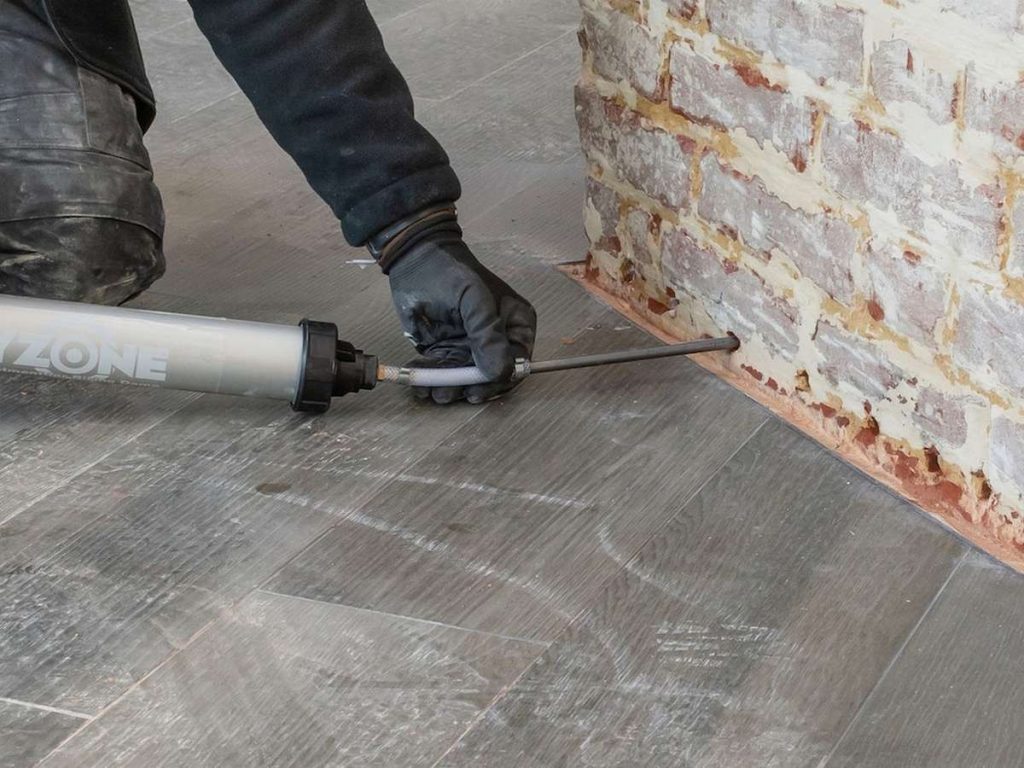
If rising damp is confirmed, remedial damp proofing may be appropriate, potentially alongside plaster replacement and correction of external bridging. If the inspection identifies another moisture source, different repairs may be more suitable. Damp Proofing Dublin can help distinguish these possibilities before work is recommended, giving homeowners a clearer understanding of what is causing the damp and why a particular treatment is being considered.
Dublin Victorian Water Ingress
Penetrating damp is another common consideration in older properties because the external building envelope must continually protect the interior from rainwater. Victorian houses can contain numerous potential entry points, including roofs, chimneys, parapets, gutters, downpipes, pointing and window openings. As these components age, small defects can allow water into the building. Dublin’s wet and windy weather can make such defects particularly noticeable, especially on exposed elevations. Water entering through an external wall may eventually appear as staining internally, sometimes well away from the point where it originally entered. This can make penetrating damp difficult for a homeowner to diagnose. A patch on an upstairs wall, for example, might be associated with a roof or chimney defect rather than a problem with the internal plaster. Damp Proofing Dublin can consider both the internal symptoms and external condition when investigating suspected water ingress.
Several external areas deserve attention when a Victorian property develops new damp. These include:
- Roof tiles, slates and flashing.
- Chimneys and parapet details.
- Gutters and downpipes.
- Brickwork and pointing.
- External render and coatings.
- Window frames and surrounding seals.
Repairing the source of water should normally take priority over simply redecorating the affected interior. Replastering a wall while leaving a leaking gutter or defective roof detail unresolved will not provide a lasting solution. Once the external source has been corrected, the condition of internal finishes can be assessed separately. Some walls may need time to dry, while heavily damaged or salt-contaminated plaster may require replacement. Damp Proofing Dublin can help determine whether the appropriate response involves damp proofing, external building repairs or a combination of measures. This distinction can prevent homeowners from paying for damp treatment when the real problem is a straightforward building-maintenance defect.
Request a Free Quote
Why Dublin Victorian Houses Repairs Matter?
The materials used when repairing a Victorian house can influence how moisture behaves within the building. Traditional walls were often constructed with materials that allowed moisture vapour to move through the fabric, while later renovations may have introduced denser materials. Cement render, impermeable coatings or unsuitable plaster can sometimes restrict evaporation and leave moisture concentrated within the masonry. This does not mean every Victorian building must only use historic materials, but repairs should take the construction of the property into account. Dublin’s older buildings can be particularly sensitive to changes in how moisture is allowed to move and evaporate. A repair that looks effective on the surface may create another problem if it prevents a wall from drying properly. For this reason, damp treatment should consider the cause of the moisture and the materials already present. The objective is to achieve a practical repair without unnecessarily damaging the building’s existing fabric.
Previous renovations should also be considered when diagnosing damp. A Victorian house may have had its original floors replaced, walls rendered, windows changed or external ground levels altered. These works can change the relationship between the building and moisture. For example, a raised floor may alter ventilation below a suspended timber floor, while external paving can bridge a DPC. A thoughtful assessment should therefore consider:
- The age and type of construction.
- Existing damp-proofing arrangements.
- Previous renovations and extensions.
- Condition of external masonry.
- Floor and subfloor arrangements.
- Drainage and external ground levels.
Damp Proofing Dublin can use these details to help identify the likely cause and determine what remedial work is justified. In some properties, a damp-proof course may be appropriate; in others, correcting drainage or removing a moisture bridge may be more effective. The right solution depends on the building rather than simply its Victorian age.
Damp Prevention in Dublin Victorian Properties
Preventing damp in a Victorian house is largely about maintaining the building’s ability to keep unwanted water out and manage normal moisture effectively. Regular inspection of gutters, downpipes, roofs, pointing and external walls can identify small defects before they develop into more significant problems. Drainage is particularly important because water collecting beside external walls can increase moisture levels around the lower masonry. External ground levels should also be monitored, particularly after landscaping or resurfacing work. A path or patio that is raised against a wall can potentially bridge damp protection and allow moisture to bypass the intended barrier. Homeowners should also be cautious when undertaking renovations, as apparently minor changes to floors, walls and external finishes can influence moisture movement. Good maintenance does not guarantee that damp will never occur, but it can significantly reduce avoidable sources of moisture.
Inside the property, adequate ventilation and sensible moisture management are also important. Victorian houses can contain rooms with high humidity, particularly kitchens, bathrooms and areas where laundry is dried. Condensation can contribute to mould and damp-looking surfaces even when the building fabric itself is sound. This is why it is important to distinguish condensation from rising or penetrating damp before choosing a treatment. Homeowners should investigate persistent damp rather than repeatedly repainting affected surfaces. Damp Proofing Dublin can assess recurring moisture problems and help identify whether the issue relates to building defects, rising damp, water ingress or indoor humidity. Taking action when symptoms first appear can help limit damage to plaster, timber and decorative finishes. For older properties, preventative maintenance combined with appropriate repairs can be a more effective long-term strategy than waiting until damp has become extensive.
Why Choose Damp Proofing Dublin?
Victorian houses require an approach that recognises their age without assuming that every damp problem has the same cause. Damp Proofing Dublin can assess the individual property, considering its construction, previous alterations, external condition and moisture patterns before recommending remedial work. This is particularly important for older homes where several factors may contribute to damp at the same time. A diagnosis-first approach can help homeowners avoid unnecessary treatments and understand why particular repairs have been recommended. The aim should be to address the source of moisture while protecting the condition and character of the Victorian property.
There are reasons why homeowners consider Damp Proofing Dublin for this type of work:
Dublin property experience
Familiarity with the range of older and traditionally constructed homes found throughout Dublin.
Cause-first assessment
Investigation of the moisture source before recommending damp-proofing treatment.
Suitable solutions
Treatment can be matched to the construction and actual condition of the property.
Whole-building approach
Walls, drainage, ground levels, floors and external defects can all be considered.
Clear advice
Homeowners can understand what is causing the damp and why particular work may be required.
Long-term focus
The aim is to address underlying moisture problems rather than provide a temporary cosmetic repair.
Damp in a Victorian house does not have to mean that the property requires extensive damp proofing. The important first step is understanding where the moisture is coming from and how the building is responding to it. Rising damp, penetrating damp, condensation and drainage problems require different solutions, while previous renovations can complicate the picture. Damp Proofing Dublin can help homeowners investigate these possibilities and identify practical remedial options. By treating the cause rather than simply the visible symptoms, it is possible to protect the property while maintaining the traditional features and construction that make Dublin’s Victorian homes distinctive.