
Common Damp Problems in Dublin Homes
Rising Damp Problems in Dublin
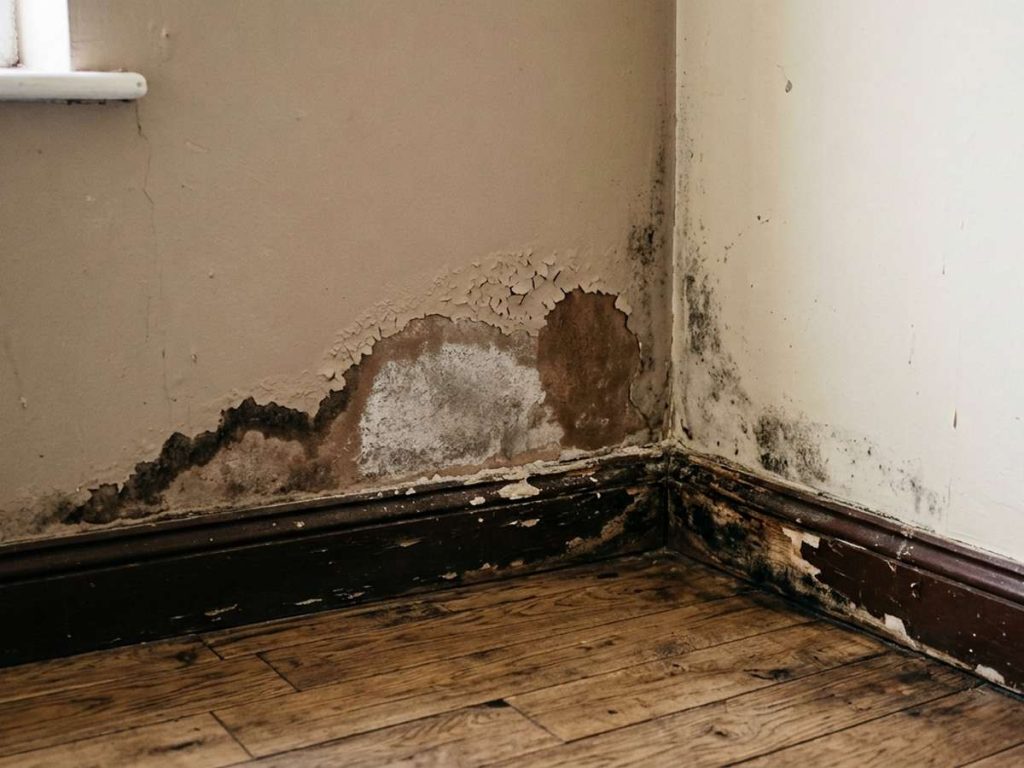
When investigating possible rising damp, it is important to look at what has happened to the property over time. Older Dublin homes may have undergone extensions, new floors, external rendering, landscaping or other alterations that affect how moisture moves through the building. Common contributing factors can include:
- Raised paving or soil against external walls.
- A damaged, bridged or ineffective damp-proof course.
- External render extending below the damp-proof course.
- Poor drainage close to the building.
- Impermeable finishes trapping moisture within masonry.
- Previous repairs that altered the original wall construction.
These conditions do not necessarily mean a new damp-proof course is required. The correct solution depends on what is causing the moisture and how the building has been altered. Damp Proofing Dublin can assess these factors before recommending remedial work.
Dublin Penetrating Damp Issues
Penetrating damp happens when water enters a property through defects in the roof, walls, windows or other parts of the building envelope. Dublin’s frequent rainfall and exposed weather can make maintenance particularly important, especially on older homes where roofs, pointing, gutters and external finishes may have deteriorated. Unlike rising damp, penetrating damp does not originate from moisture rising through the ground. Water can enter higher up a wall and travel internally before becoming visible, which sometimes makes the original defect difficult to identify. A damp patch around a chimney, upstairs ceiling or external wall should therefore be investigated rather than simply covered with paint. Damp Proofing Dublin can examine the pattern and location of internal damp alongside relevant external areas to help establish where the water is entering.
Several external defects can contribute to penetrating damp in Dublin houses. Roof coverings may have slipped or deteriorated, while flashing around chimneys and junctions can fail. Gutters and downpipes may overflow against walls, and damaged pointing can allow rainwater into masonry. Window frames, seals and external render can also become pathways for water. A problem may be relatively small externally but cause noticeable damage internally. Before applying internal damp treatments or replacing damaged plaster, the source of water should be addressed wherever possible. Otherwise, decorative repairs can fail again. Damp Proofing Dublin can help identify whether the problem is related to external water ingress, defective building components or another moisture source, allowing the recommended work to target the underlying cause rather than simply disguising the visible damage.
Dublin Condensation Problems
Condensation is another common source of damp-looking symptoms in Dublin homes, particularly during colder months when warm indoor air meets colder surfaces. Everyday activities such as cooking, showering, drying clothes and washing can introduce significant moisture into the air. If ventilation is limited, that moisture can settle on windows, external walls, ceilings and colder corners. Over time, repeated condensation can contribute to mould growth, staining and unpleasant smells. It can sometimes be mistaken for penetrating or rising damp because the visible damage may be substantial. The location and pattern of moisture are useful clues, but they should be considered alongside ventilation, heating, occupancy and the condition of the building. Damp Proofing Dublin can help distinguish condensation-related moisture from other damp problems so that homeowners do not invest in an unsuitable damp-proofing treatment.
Improving ventilation is often an important part of controlling condensation, but simply opening a window may not always solve the underlying problem. A Dublin home with poor airflow, cold surfaces and high indoor humidity can continue to experience condensation even when occupants regularly ventilate. Practical considerations include bathroom extraction, kitchen ventilation, drying clothes indoors, heating patterns and whether furniture is preventing air circulation against colder walls. Insulation and improvements to the building envelope may also change surface temperatures and moisture behaviour. Persistent mould or damp staining should not automatically be treated as a condensation issue, however. If moisture is entering through the structure, ventilation alone will not resolve it. Damp Proofing Dublin can assess the circumstances and help determine whether condensation, building defects or a combination of factors is responsible for the symptoms.
Dublin Damp And Drainage
Drainage problems can create damp conditions around Dublin homes without immediately being recognised as the source. Blocked gutters, leaking downpipes, poor surface drainage and water collecting beside external walls can repeatedly expose masonry to moisture. Changes to gardens, paving and driveways can also affect how rainwater moves around a property. If external ground levels have been raised over time, they may come close to or above areas of the wall that were intended to remain protected from ground moisture. This can contribute to dampness internally and may sometimes complicate an assessment for rising damp. Looking only at the internal stain can therefore miss an important part of the problem. Damp Proofing Dublin considers external conditions as part of the investigation where they may be contributing to moisture entering the building.
Homeowners can often spot warning signs around the outside of a Dublin property before significant internal damage develops. Water may collect near the base of walls after rainfall, gutters may overflow, or downpipes may discharge directly beside the building. Other useful checks include:
- Cracked or damaged gutters and downpipes.
- Water pooling against external walls.
- Blocked gullies or inadequate surface drainage.
- Paving that slopes towards the property.
- Soil or planting beds raised against walls.
- Damaged external pointing or masonry.
Correcting these problems can sometimes make a significant difference without requiring extensive damp-proofing work. However, the appropriate repair depends on the actual source of moisture. Damp Proofing Dublin can assess drainage, external wall conditions and internal symptoms together to determine whether drainage repairs, damp-proofing measures or a combination of solutions is appropriate.
Request a Free Quote
Dublin Damp And Old Homes
Older Dublin homes can be particularly difficult to assess because their original construction may differ significantly from modern buildings. Solid brick or masonry walls, traditional mortars, suspended timber floors and older plaster systems all behave differently from contemporary cavity-wall construction. Over the years, many properties have also been altered with cement renders, waterproof coatings, replacement floors, extensions and modern finishes. These changes can affect how moisture enters, moves through and leaves the building. Damp in an older property should therefore not automatically be attributed to its age. Equally, modern materials should not automatically be blamed. What matters is how the different parts of the building interact and whether a previous alteration has created or concealed a moisture problem. Damp Proofing Dublin can consider the construction history and current condition before recommending treatment.
A useful damp assessment should consider more than the most obvious patch on the wall. In an older Dublin property, several factors may need to be considered together, including the condition of the external masonry, floor construction, drainage, ventilation, ground levels and any previous damp-proofing work. This broader approach can help prevent one symptom from being treated while another moisture source remains active. For example, replacing damaged plaster will not stop water entering through a defective gutter, while installing a damp-proof course will not resolve condensation caused by inadequate ventilation. Similarly, sealing an older wall with an unsuitable coating can sometimes change its moisture behaviour rather than solve the original problem. Damp Proofing Dublin can investigate these different possibilities and explain which repairs are relevant to the property rather than applying the same treatment to every older Dublin home.
Dublin Damp Prevention Tips
Preventing damp is largely about keeping water out of the building, allowing moisture to escape appropriately and identifying small defects before they become larger problems. Dublin homeowners should pay attention to roofs, gutters, downpipes, external walls, pointing, windows and drainage, particularly where the property is older or exposed to heavy weather. Keeping external ground levels and paving appropriately positioned can also help reduce moisture problems around walls. Inside the property, adequate ventilation is important for controlling humidity from cooking, bathing and drying clothes. However, prevention does not mean assuming every damp problem can be solved through better ventilation or maintenance. Structural defects, rising moisture and water ingress require different responses. Regular checks can reduce avoidable moisture sources, while early investigation can help prevent prolonged damp from causing greater damage to plaster, timber, finishes and other parts of the building.
Homeowners often wonder when a damp problem is serious enough to call a professional. Persistent staining, recurring mould, crumbling plaster, musty smells, unexplained salt deposits or damp that returns after decorating are all reasons to investigate further. It is particularly sensible to seek advice when the source is unclear or when previous damp-proofing work has not solved the problem. Damp should be diagnosed before treatment because several different causes can produce similar visible symptoms. Damp Proofing Dublin can assess the circumstances and explain whether the issue appears related to rising damp, penetrating damp, condensation, drainage, plumbing or another building defect. The aim should be to identify the source and select an appropriate repair rather than simply applying a waterproofing product to the visible area. For Dublin homeowners, this approach can provide greater confidence that money is being spent on the actual problem.

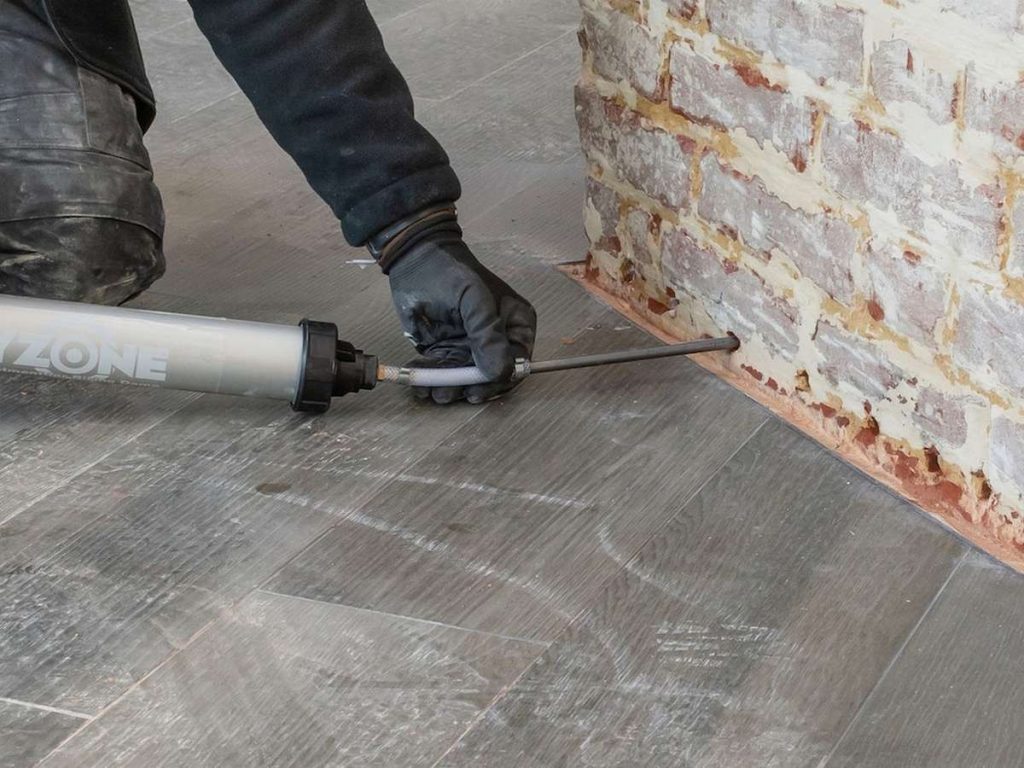
Why Choose Damp Proofing Dublin?
Damp problems can have several causes, particularly in Dublin homes that have been renovated or altered over many years. Damp Proofing Dublin takes a cause-first approach, looking at the building and moisture symptoms before recommending remedial work. This can help homeowners understand what is happening and avoid paying for treatments that do not address the actual source.
There are reasons why homeowners consider Damp Proofing Dublin for this type of work:
Dublin Property Experience
Familiarity with the types of older and modern homes found throughout Dublin.
Cause-First Assessment
Investigating whether damp is caused by rising moisture, water ingress, condensation, drainage or another defect.
Practical Solutions
Recommending work based on the construction, condition and specific moisture problem.
Whole-Property Approach
Considering walls, floors, drainage, external ground levels, roofs and other relevant areas.
Clear Explanations
Helping homeowners understand what is causing the damp and why particular work may be necessary.
Long-Term Focus
Concentrating on the underlying moisture problem rather than simply covering visible staining or damaged finishes.