Heritage Damp Proofing Dublin
Damp Proofing for Heritage Homes in Dublin
Traditional Dublin Building Materials
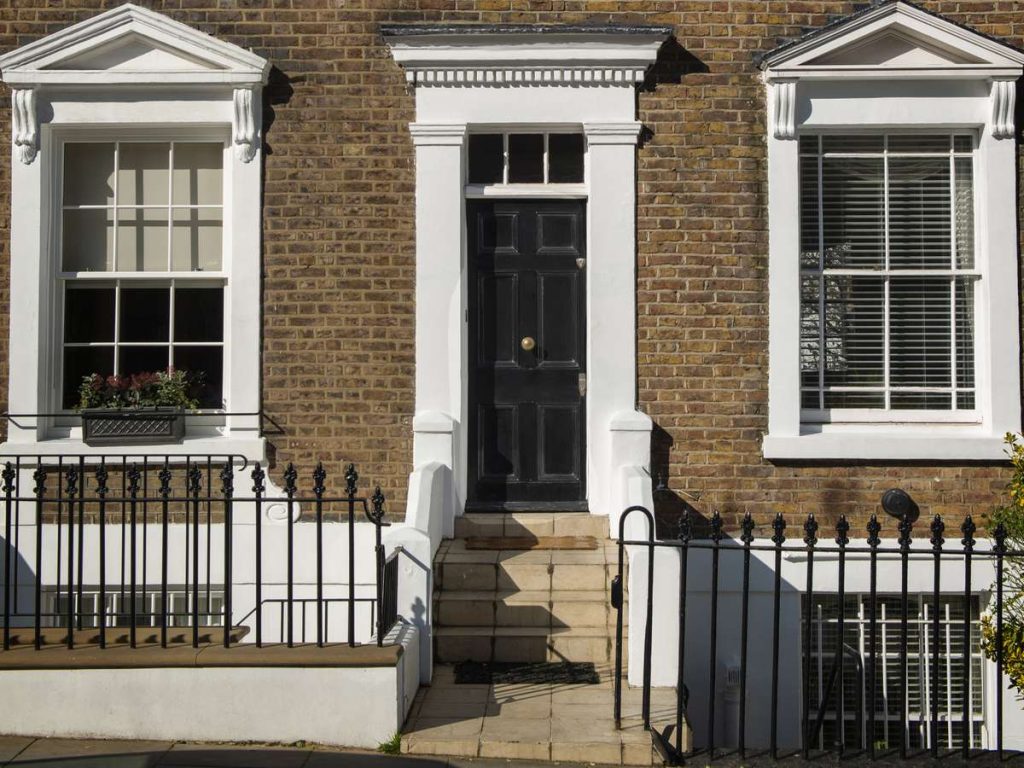
Traditional Dublin buildings frequently contain materials that have been used in Irish construction for generations. Solid brickwork, natural stone, lime mortar, lime plaster and timber were commonly combined to create buildings capable of absorbing and releasing moisture as environmental conditions changed. These materials need to be understood as part of a connected system rather than treated as isolated components. Lime-based finishes, for example, can allow moisture to evaporate while accommodating the natural movement of masonry. When incompatible modern materials are introduced, this balance can be disrupted. Dense cement renders, impermeable paints and unsuitable plaster systems may restrict evaporation, potentially leaving moisture trapped within walls or forcing it towards vulnerable areas. This is why heritage damp proofing in Dublin should begin with an assessment of the original construction and any alterations made over the years. Understanding which materials are present helps determine the most appropriate repairs and reduces the risk of causing additional damage during remedial work.
At Damp Proofing Dublin, material compatibility is a central consideration when planning damp treatment for older homes, Georgian properties, Victorian terraces and traditional buildings throughout the city. Where appropriate, repairs may involve restoring lime mortar joints, renewing damaged lime plaster or improving the performance of existing rainwater management systems. Original timber features and decorative plasterwork should also be considered before invasive work begins. Depending on the building’s condition, suitable measures may include:
- Repointing defective masonry joints with a compatible lime mortar.
- Repairing damaged or unsuitable external render where appropriate.
- Replacing incompatible internal finishes with suitable breathable alternatives.
- Improving ventilation to support moisture removal from internal spaces.
- Repairing defective gutters, downpipes and external drainage arrangements.
These measures are not a universal prescription; their suitability depends on the materials, exposure conditions and actual cause of the damp. Where a building is protected or has significant historic features, specialist conservation advice may be necessary. Choosing compatible materials and carefully planned repairs can help maintain the building’s appearance, support natural drying and reduce the likelihood of recurring moisture-related deterioration.
Rising Damp Dublin Properties
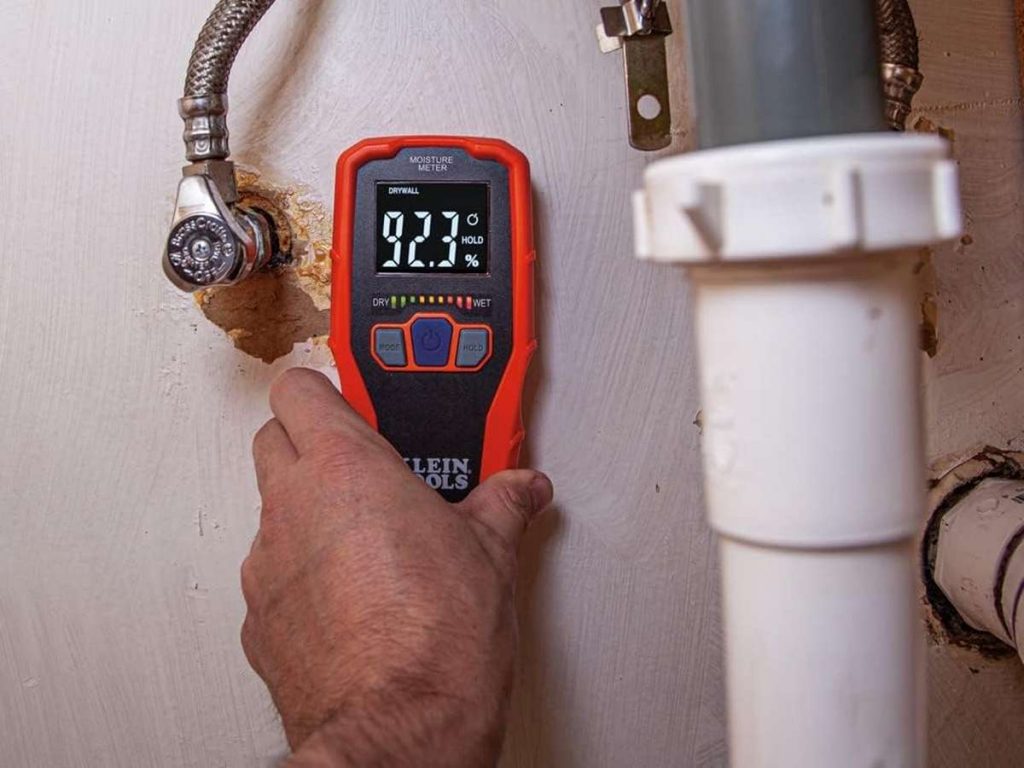
Rising damp is a concern for some older Dublin properties, particularly those with solid masonry walls, vulnerable ground-floor construction or inadequate protection against ground moisture. However, dampness near the base of a wall does not automatically confirm rising damp. Similar symptoms can result from high external ground levels, leaking pipes, rainwater penetration, defective drainage, condensation or moisture retained by inappropriate wall finishes. An accurate diagnosis is therefore essential before selecting a treatment. Our approach considers the location and pattern of dampness, the condition of masonry and plaster, external ground levels and any existing damp-proofing measures. Salt contamination and previous repairs may also affect how a wall behaves and how damp symptoms appear. In traditional buildings, these factors can make diagnosis particularly challenging. Damp Proofing Dublin aims to establish the most plausible moisture source before recommending remedial work, helping property owners avoid unnecessary disruption and treatments that address visible staining without resolving the underlying cause.
Where rising damp is confirmed, the appropriate solution depends on the building’s construction, condition and conservation requirements. Some properties may benefit from a suitable damp-proof course intervention, while others may require improvements to external ground levels, drainage or the removal of moisture-retaining finishes. A chemical injection system should never be treated as the automatic answer for every old brick or stone wall. Thick rubble-filled walls, variable masonry and historically significant fabric may require a more specialist assessment to determine whether a particular intervention is suitable. Salt-contaminated plaster may also need careful management after the source of moisture has been addressed, with sufficient time allowed for the wall to dry. Depending on the circumstances, compatible replastering and improved moisture management may form part of the wider solution. We explain the reasoning behind recommended work so property owners understand what is being treated and why. By tailoring remedial measures to the individual building, Damp Proofing Dublin seeks to provide effective moisture control while respecting the limitations and characteristics of traditional construction.
Breathable Plaster Dublin Homes
Breathable plaster plays an important role in the appropriate maintenance of many traditional Dublin homes. Lime plaster was widely used in older buildings because it can accommodate moisture movement and support the drying of compatible masonry. Unlike some modern finishes, suitable lime-based systems can allow water vapour to pass through their structure, helping walls release moisture under favourable conditions. This does not mean that breathable plaster prevents every form of damp, nor does it replace the need to repair leaks or other defects. Instead, it forms part of a building system that must be understood as a whole. When traditional walls are covered with unsuitable gypsum plaster, dense cement-based coatings or impermeable paint, their ability to dry may be reduced. The result can include persistent staining, blistering finishes, salt deposits and damaged plaster. Before recommending replastering, Damp Proofing Dublin considers the existing substrate, the likely moisture source and the condition of previous finishes to determine whether replacement or repair is genuinely necessary.
Selecting an appropriate plaster system involves more than choosing a product labelled breathable. The underlying masonry, exposure to rain, salt contamination and existing render all influence which materials are suitable. Lime plaster may be appropriate for many traditional walls, but its specification and application must reflect the particular building and the intended finish. Removing original plaster unnecessarily can damage historic fabric, especially where decorative mouldings, cornices or other architectural details are present. In some situations, retaining sound original lime plaster is preferable to complete replacement. Where damaged or incompatible materials must be removed, the work should be planned carefully to protect the underlying masonry and adjoining features. Drying times should also be realistic, as thick traditional walls can take considerable time to lose excess moisture. Damp Proofing Dublin considers these factors when advising on internal wall repairs and finishes. By prioritising material compatibility and avoiding unnecessary intervention, the aim is to improve wall performance while retaining the character, texture and architectural details that make traditional Dublin properties distinctive.
Request a Free Quote
Penetrating Damp in Dublin Heritage Buildings
Penetrating damp occurs when water enters a building through defective external elements, vulnerable masonry or other points of water ingress. In Dublin, prolonged rainfall and exposed elevations can place particular demands on older buildings, especially where maintenance has been neglected or modern alterations have disrupted traditional construction. Damaged pointing, cracked render, leaking gutters, defective downpipes and poorly maintained roof coverings can all allow moisture to enter walls and ceilings. Window surrounds, chimney stacks and junctions between different building materials may also require attention. Unlike some modern buildings, traditional solid-wall properties do not necessarily have a cavity designed to separate external moisture from internal spaces. Their performance depends partly on the condition of the masonry, suitable finishes and the ability of the construction to dry. Damp patches appearing after rainfall, localised staining and deteriorating plaster may indicate water penetration, although a proper assessment is needed to distinguish it from other causes. Identifying the entry point is essential before undertaking internal remedial work.
A heritage-sensitive approach prioritises repairing the source of water ingress before replacing internal finishes or applying damp treatments. Depending on the assessment, appropriate measures may include:
- Repairing leaking gutters, downpipes and defective roof coverings.
- Repointing deteriorated joints using a compatible mortar.
- Addressing cracks and defects in suitable external finishes.
- Correcting drainage problems and unsuitable ground levels.
- Improving vulnerable details around windows, chimneys and external junctions.
The correct repair will depend on the building’s construction and the severity of the defect. For example, traditional lime mortar may be more appropriate than hard cement mortar for certain historic masonry, but the existing materials and exposure conditions must be considered before specifying a repair. Water-repellent coatings should not be applied indiscriminately, as some products may restrict drying or alter the behaviour of porous walls. Internal replastering is best considered once the source of moisture has been addressed and the wall’s drying requirements are understood. Damp Proofing Dublin takes this building-wide perspective to help reduce recurring water ingress, protect original materials and support the long-term condition of traditional homes and heritage properties.
Condensation Control Dublin Homes
Condensation is another common reason for damp patches, mould growth and musty smells in Dublin homes, including older properties with solid masonry walls. It occurs when moisture in indoor air comes into contact with a surface cold enough for water vapour to condense. Kitchens, bathrooms, bedrooms and poorly ventilated rooms can be particularly vulnerable, especially during colder weather. Traditional buildings may also have cold internal wall surfaces, single-glazed windows or areas where thermal bridging increases the risk of condensation. However, these characteristics do not mean that every damp patch is caused by condensation. Water ingress, plumbing leaks and other moisture sources must also be considered. A reliable assessment examines the location of the symptoms, ventilation arrangements, heating patterns and the condition of the building fabric. Damp Proofing Dublin recognises that treating condensation requires more than simply covering mould or repainting affected walls. The underlying conditions must be understood so that practical measures can be selected to improve the indoor environment without compromising the building’s traditional construction.
Effective condensation management generally involves controlling indoor moisture, providing suitable ventilation and reducing excessively cold internal surfaces where practical. Extractor fans, functioning ventilation openings and appropriate everyday ventilation practices can help remove moisture produced through cooking, bathing, laundry and normal occupancy. Consistent heating may also help reduce cold surfaces, although solutions should be tailored to the household and the property. In traditional buildings, ventilation improvements and thermal upgrades must be planned carefully to avoid damaging historic features or introducing materials that trap moisture. Suitable breathable finishes may help support moisture management, but they cannot compensate for persistent leaks or inadequate ventilation. Where mould is present, its underlying moisture source should be addressed alongside safe, appropriate cleaning and any necessary repairs. Damp Proofing Dublin can help property owners distinguish condensation-related problems from other forms of damp and identify suitable next steps. By considering the building fabric and indoor conditions together, homeowners can work towards a healthier, more comfortable environment while protecting the character and long-term performance of their traditional Dublin property.