Breathable Damp Proofing Systems
Breathable Damp Proofing for Dublin Homes

Solid Wall Damp Proofing Dublin
Solid-wall construction is common in Dublin’s older housing stock, including properties built with brick, stone or traditional masonry without a cavity between the inner and outer wall surfaces. Unlike cavity walls, these structures depend heavily on the condition of their masonry, pointing, external finishes and internal plaster to manage moisture. Rainwater can penetrate porous materials, particularly where mortar joints have deteriorated or exposed elevations experience prolonged wet weather. Previous renovations may also have introduced dense cement render, impermeable paint or other finishes that restrict evaporation. These factors mean that damp patches cannot always be resolved by applying a chemical treatment or covering the affected area. Damp Proofing Dublin evaluates the wall as a complete building element, considering how external exposure, internal humidity and previous alterations interact. This helps establish whether moisture is entering through defects, becoming trapped behind unsuitable finishes or resulting from another source. Understanding the construction first allows us to recommend measures suited to the property rather than imposing a generic solution.
For traditional solid walls, successful damp management often depends on restoring compatibility between the masonry and its finishes. Depending on the building and the findings of an inspection, appropriate measures may include:
- Repairing defective external pointing with a compatible mortar.
- Removing inappropriate impermeable coatings where justified.
- Using breathable lime-based plaster on suitable internal surfaces.
- Applying compatible mineral paints or vapour-permeable finishes.
- Improving external rainwater management and repairing defective masonry.
These measures are not automatically required in every property; each intervention must be appropriate to the existing materials and the source of moisture. Lime-based systems, for example, can support moisture movement and accommodate the movement often associated with traditional buildings, but they still need correct specification and application. Where a damp-proof course is absent, defective or ineffective, further investigation may establish whether a suitable targeted intervention is necessary. Our focus is on addressing contributing causes, supporting gradual drying and avoiding unnecessary removal of historic fabric. This balanced approach is especially valuable where original masonry must be preserved.
Breathable Lime Systems Dublin
Lime-based materials have an established place in traditional Irish construction because they can accommodate moisture movement and work compatibly with many older masonry walls. Lime plaster and lime render are often suitable alternatives to dense cement-based finishes where the original building materials require greater vapour permeability. Their suitability depends on factors such as the masonry type, existing mortar, exposure conditions and previous repairs. When specified and applied correctly, breathable lime systems can help moisture evaporate from wall surfaces while reducing the risk of trapping damp behind impermeable layers. They may also help manage the appearance of salt-related deterioration, although significant salt contamination can require additional investigation and specialist preparation. At Damp Proofing Dublin, we consider whether lime-based materials are appropriate for the property rather than treating them as a universal remedy. The objective is to select a system that supports the wall’s natural behaviour, respects its construction history and provides a practical, durable finish for everyday living.
Choosing the right lime system involves more than selecting a product labelled as breathable. Different formulations have different strengths, drying characteristics and levels of flexibility, so compatibility with the underlying masonry is essential. Hard, dense finishes may be unsuitable for softer historic brickwork or traditional stone, while incorrectly prepared or applied lime plaster can also underperform. We assess the existing substrate, investigate signs of salt contamination and consider whether the wall needs repairs before new materials are introduced. Where appropriate, breathable internal finishes can form part of a wider moisture-management strategy that also addresses external rain penetration, defective pointing and restricted ventilation. Drying times must be realistic, particularly in older Dublin properties exposed to cool, damp weather. Fresh plaster may require a suitable curing period and compatible decorative finishes. By taking these details into account, we help property owners avoid short-term cosmetic fixes and choose a system designed around the building’s actual needs. The result should support both the performance of the masonry and the appearance of the finished interior.
Traditional Masonry Damp Proofing Dublin
Traditional brick and stone walls need damp-proofing methods that recognise the differences between historic masonry and modern construction. Older bricks can be porous, traditional stone can vary considerably in absorption, and original lime mortar may be softer than later cement repairs. These characteristics influence how moisture enters, travels through and leaves a wall. In Dublin, exposed elevations, deteriorating pointing, damaged window surrounds and defective rainwater goods can all contribute to damp-related problems. Covering affected masonry with a dense coating may conceal the symptoms while leaving the underlying issue unresolved. A more appropriate strategy begins with inspecting the external wall, identifying vulnerable joints and checking whether later alterations are restricting evaporation. Repairs should use materials compatible with the existing masonry and should not introduce unnecessary rigidity or impermeability. Damp Proofing Dublin considers these details when recommending restoration and moisture-control measures, helping property owners protect their buildings without overlooking the importance of traditional craftsmanship and material compatibility.
Our approach to traditional masonry prioritises targeted repairs over unnecessary intervention. Depending on the condition of the building, this may involve carefully removing incompatible pointing, repairing damaged mortar joints, addressing cracks and improving the weather resistance of vulnerable details. Where external rain penetration is suspected, the inspection should also consider gutters, downpipes, roof junctions and openings around windows. Internal symptoms alone cannot reliably identify the source of dampness, so the external condition is an important part of the assessment. We also consider previous remedial work, including hard cement renders and impermeable paints that may have altered the wall’s drying behaviour. Where historic or protected buildings are involved, proposed interventions may need additional care and consultation with the relevant conservation professional or authority. Every recommendation should reflect the building’s significance, construction and exposure. By focusing on the causes of moisture entry and the condition of the masonry, we aim to improve durability while retaining as much original material as practical.
Request a Free Quote
Managing Penetrating Damp in Dublin
Penetrating damp is a frequent issue for solid-wall properties across Dublin, particularly on wind-driven coastal elevations exposed to harsh weather. Rain strikes untreated outer brickwork and soaks deep into the masonry, eventually migrating through to interior plaster finishes. Breathable damp proofing addresses penetrating moisture by applying hydrophobic mineral creams or breathable lime-based harling to the exterior envelope. These specialized treatments penetrate deep into the substrate, creating an invisible, water-repellent barrier inside the pores of the brick or stone. Crucially, while liquid water molecules are blocked from entering from the outside, water vapor molecules inside the wall can still pass freely outward. This dual-action protection stops driving rain cold while allowing wet masonry to dry out safely. Protecting traditional Dublin facades with breathable water repellents ensures superior damp protection without alters the visual character or architectural heritage of historic streets.
Eliminating penetrating moisture without suffocating historic walls requires a careful balance of external protection and internal vapor management. Traditional cement renders strip solid walls of their ability to dry out, causing internal moisture levels to spike and trapped frost to shatter outer brick faces. Breathable damp-proofing treatments allow the entire building envelope to act as a natural moisture regulator. By keeping the masonry core dry, these systems also improve the thermal efficiency of solid walls, as dry brickwork insulates significantly better than damp brickwork. Homeowners in Dublin benefit from warmer rooms, reduced heating costs, and the elimination of unsightly damp patches, cold spots, and surface mold growth. Investing in breathable penetrating damp solutions restores historic properties, shields masonry against aggressive atmospheric weathering, and ensures a healthier, moisture-balanced living environment inside old solid-wall homes.
Breathable Wall Finishes Dublin
The finish applied to a traditional wall can significantly influence how it handles moisture. Dense paints, vinyl coatings and unsuitable cement-based plasters may restrict evaporation, particularly when installed over porous brick or stone. If moisture continues to enter the wall, these finishes can contribute to blistering, flaking, salt deposits and recurring deterioration. Breathable finishes are selected to allow water vapour to pass through the surface more readily, supporting the wall’s ability to dry under suitable conditions. Options may include compatible lime plaster, limewash and appropriate mineral-based paints, depending on the substrate and the building’s requirements. However, breathability alone does not make a finish suitable: the material must also be compatible with the existing masonry, salt conditions and intended use of the room. Damp Proofing Dublin assesses the wall before recommending a replacement finish, helping avoid unnecessary disruption and repeated redecoration. The aim is to achieve an attractive, practical surface without compromising the moisture-management needs of the building.
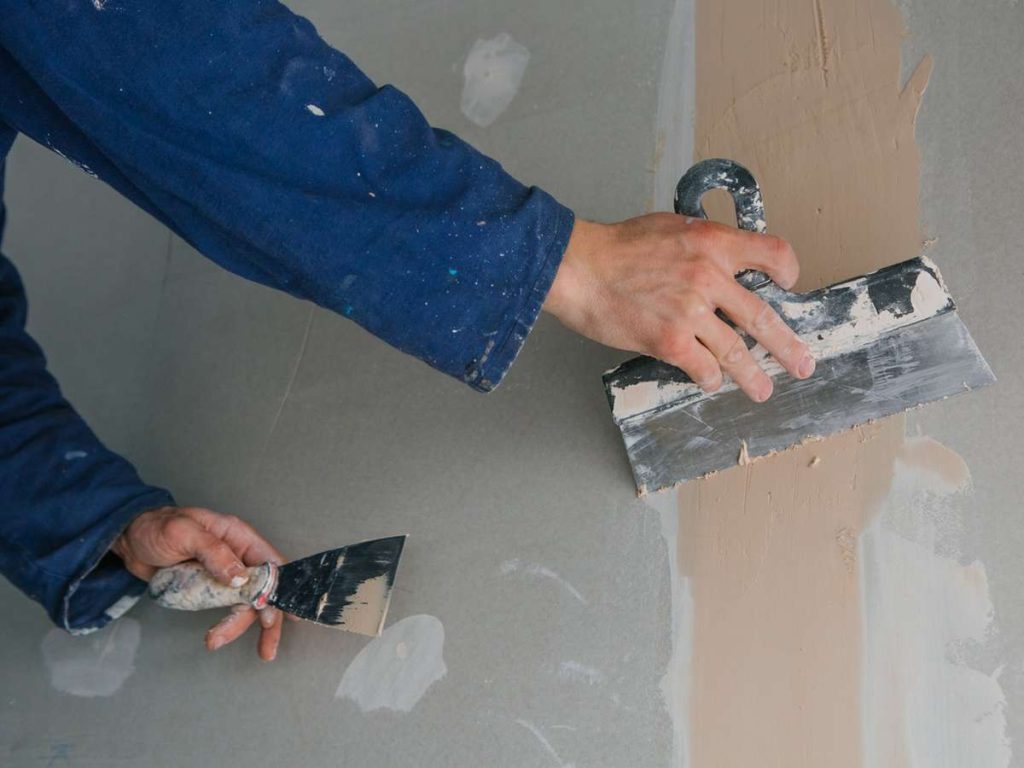
Preparation and application are equally important when installing a breathable wall finish. Existing coatings may need to be removed where they are incompatible, while loose plaster, damaged mortar and contaminated materials may require careful attention. The correct preparation depends on the wall’s condition and should avoid unnecessary damage to historic masonry. Lime products must be mixed, applied and cured according to their specification, with appropriate protection from unsuitable drying conditions. Decorative finishes should be selected to remain compatible with the underlying plaster; an impermeable topcoat can undermine the purpose of a breathable system. Owners should also understand that traditional materials may dry more gradually than modern synthetic finishes, particularly during Dublin’s cooler and wetter seasons. Where significant dampness or salt contamination is present, the wall may need time to stabilise before final decoration. By considering the complete finishing system rather than an individual product, we help create wall surfaces that balance appearance, durability and moisture management. This is particularly valuable in older homes where preserving original character matters as much as achieving a sound finish.