
Damp Proof Course in Dublin Explained
Dublin Damp Proof Course Basics
Dublin DPC And Rising Damp
A damp-proof course is closely associated with rising damp because its main function is to interrupt moisture moving upwards from the ground. Masonry is naturally capable of absorbing water, and without an effective barrier, moisture can travel through porous materials by capillary action. A functioning DPC limits this movement and helps keep the wall above the barrier comparatively dry. However, the presence of damp at low level does not automatically mean rising damp is responsible. Other sources, including plumbing leaks, external water penetration, condensation and high external ground levels, can create similar symptoms. Dublin City Council guidance for older buildings emphasises the importance of understanding the building and diagnosing the actual source of damp before selecting remedial measures. This is particularly relevant to older Dublin properties, where construction methods can differ significantly from modern buildings. A damp-proof course should therefore be considered as part of the property’s wider moisture-management system rather than as a universal solution for every damp patch.
When rising damp is genuinely present, the DPC should prevent or restrict moisture from continuing upwards through the wall. Signs that may prompt an investigation include damp staining concentrated near floor level, deteriorating plaster, damaged skirting and salt deposits. These symptoms can provide useful clues, but they do not prove that the DPC is missing or defective. A proper assessment should consider the position and pattern of moisture alongside the condition of the external wall and surrounding ground. Relevant factors include:
- The height and distribution of damp staining.
- The position of the existing DPC.
- External ground and paving levels.
- Condition of plaster and masonry.
- Possible plumbing or drainage leaks.
- Evidence of penetrating damp or condensation.
Damp Proofing Dublin can investigate these factors before recommending a remedial DPC. This helps ensure that treatment is directed towards genuine rising damp rather than being used to mask another source of moisture.
Dublin Types Of Damp Course
Damp-proof courses have been produced using a variety of materials over the years. Older properties may contain bituminous materials, slate or other physical barriers, while modern construction commonly uses manufactured plastic or other proprietary materials. The material itself is only one part of the picture. The position of the DPC, the condition of the surrounding masonry and whether anything has bridged the barrier are equally important. In older Dublin buildings, an existing physical DPC may still be functioning even if the property has developed damp for another reason. Conversely, a DPC can be compromised by building alterations or physical damage. This is why identifying the material or locating a visible horizontal line in the wall is not enough to determine whether remedial work is required. An experienced assessment should consider the whole wall and how moisture is moving through the structure. The objective is to establish whether the existing damp-proofing is working as intended.
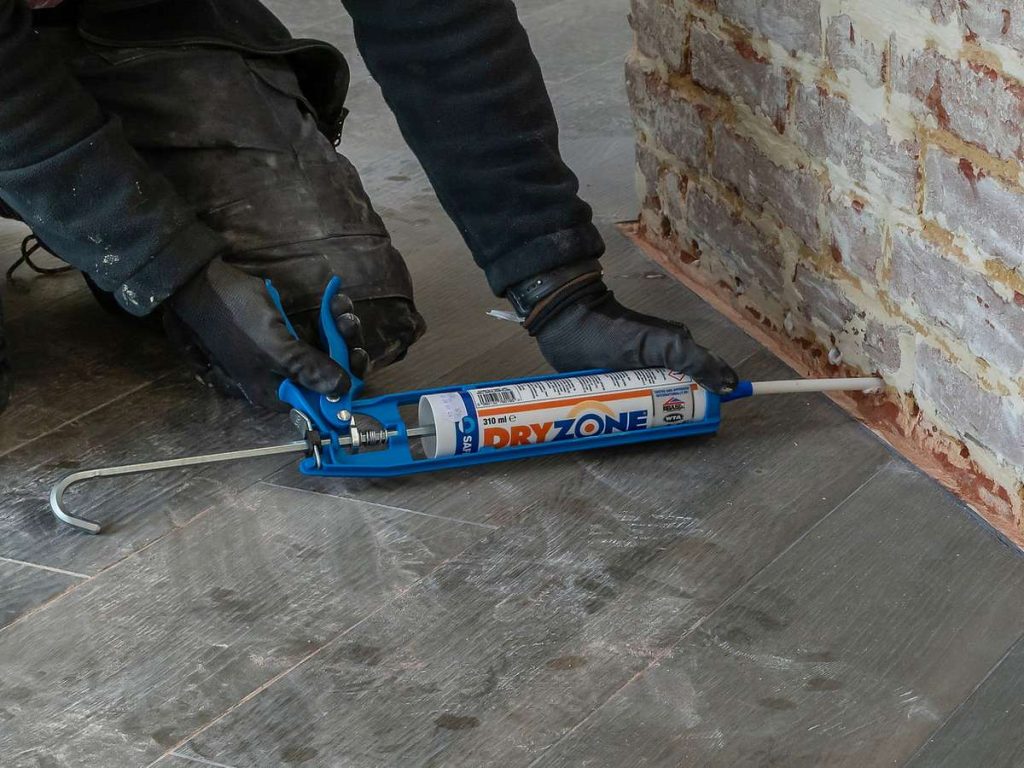
Where rising damp is confirmed and an existing DPC is absent, ineffective or unsuitable for the circumstances, a remedial damp-proof course may be considered. One common approach involves injecting a specialist chemical treatment into mortar joints to create a moisture-resistant barrier. The exact system and installation method should be selected according to the construction of the property and the manufacturer’s requirements. It is important not to assume that chemical injection is appropriate for every wall. Very thick masonry, unusual construction, severe deterioration or complex moisture pathways may require additional investigation. A remedial DPC also does not automatically resolve damage that has already occurred above the barrier. Salt-contaminated plaster may need attention, and external bridging or other moisture sources may need to be corrected. Damp Proofing Dublin can explain the recommended approach and distinguish between installing the moisture barrier itself and the associated repair or reinstatement work.
Dublin DPC Bridging Problems
DPC bridging is an important reason why a damp-proof course can appear not to work. A bridge occurs when another material or construction detail creates a pathway for moisture to pass around the intended barrier. For example, external ground may have been raised over time until it reaches the level of the DPC. Render can also extend down across the barrier, while paving or other materials can create contact between damp ground and the wall above the DPC. Internally, changes to floors or wall finishes can sometimes affect how moisture behaves. In these situations, replacing the DPC may not be the first or most appropriate solution. The existing barrier could still be effective; the problem is that moisture has found a route around it. This distinction can save homeowners from unnecessary remedial work. A professional damp inspection should therefore consider the relationship between the DPC and the surrounding building details rather than examining the barrier in isolation.
External maintenance and previous renovations are particularly relevant when investigating possible bridging. Dublin properties can undergo many changes over their lifetime, including extensions, new driveways, landscaping, external insulation, rendering and replacement windows. Any of these changes can alter the way moisture interacts with the wall. Warning signs can include:
- Soil or paving positioned too high against walls.
- Render extending below the DPC level.
- Persistent damp at low wall level.
- Deterioration concentrated near external ground.
- Changes following renovation or landscaping.
- Moisture appearing despite an apparently intact DPC.
Correcting the bridge may sometimes be considerably simpler than installing a new damp-proof course. Damp Proofing Dublin can examine the relevant wall details and determine whether the existing barrier is being bypassed. Where possible, resolving the pathway that allows moisture around the DPC is a more logical starting point than replacing a system that may still be performing its original function.
Request a Free Quote
Dublin DPC Installation Process
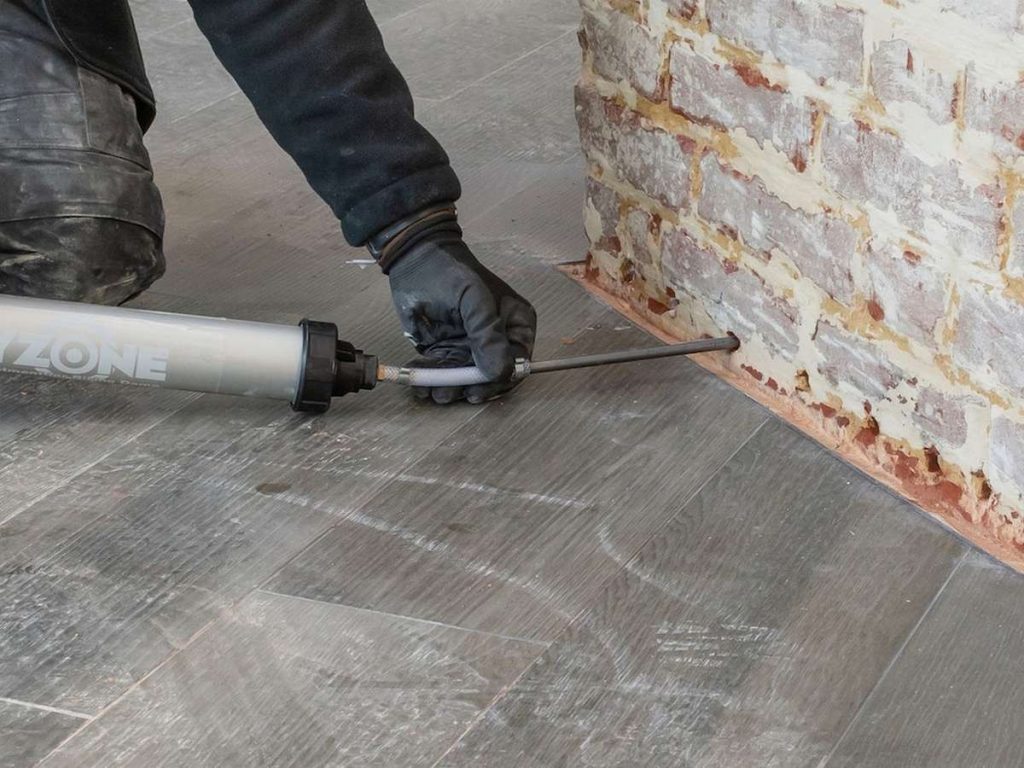
Installing a remedial damp-proof course is not simply a matter of drilling holes and injecting a product into a wall. The wall construction, mortar joints, existing moisture conditions and potential bridging need to be considered first. Where a chemical injection system is appropriate, holes are normally created at a specified level and spacing before the treatment is introduced in accordance with the system’s installation requirements. The purpose is to create a continuous moisture-resistant zone through the affected section of the wall. The precise method varies according to the product, construction and site conditions. Correct preparation is important because gaps or unsuitable installation can compromise the intended barrier. It is also essential to establish that the problem being treated is actually rising damp. A remedial DPC will not stop rainwater entering through a defective wall or solve condensation caused by inadequate ventilation. Damp Proofing Dublin can assess the property before work to establish whether DPC installation is an appropriate part of the solution.
The DPC itself is only one component of a complete remedial project. If moisture has already affected internal plaster, salts may remain after the wall has been treated. Damaged finishes may therefore need to be removed and replaced with suitable materials after the underlying moisture problem has been addressed. The timing of reinstatement can also matter because walls may need appropriate drying conditions before new finishes are applied. A good treatment plan should explain the sequence clearly, including what happens before installation, during the damp-proofing work and afterwards. Homeowners should also be told whether external repairs or bridging corrections are necessary. This provides a more realistic understanding of the project than simply being given a price for DPC injection. The ultimate objective is not merely to install a barrier, but to create conditions in which the building can remain protected from the particular moisture problem that was identified.
Dublin DPC Maintenance And Life
Once correctly installed, a damp-proof course is intended to provide long-term protection rather than require regular replacement. The expected service life depends on the type of DPC, materials, installation quality and conditions surrounding the building. Remedial chemical DPC systems are commonly associated with service periods measured in decades, although guarantees and manufacturer’s claims vary between products and contractors. A homeowner should therefore distinguish between a guarantee period and the expected functional life of the treatment. A system may continue to perform after a guarantee has expired. Conversely, an apparently sound DPC can be bypassed if changes are made around the property. Raising external ground levels, adding render across the barrier or allowing persistent water problems to develop can all undermine moisture protection. Maintaining the building around the DPC is therefore important. Regularly checking drainage, gutters, external walls and ground levels can help prevent new moisture pathways from developing.
There is no universal date at which every damp-proof course needs replacing. If damp symptoms appear several years after treatment, the first step should be investigation rather than automatically assuming that the DPC has reached the end of its life. The problem could instead involve penetrating damp, condensation, a plumbing leak or bridging. Homeowners should also be cautious about treatments that promise a permanent solution without considering the wider building. A DPC can control rising moisture, but it cannot compensate for every other defect affecting a property. If you are buying an older Dublin house, records of previous damp-proofing work can be useful. Ask when the treatment was carried out, what system was used and whether any guarantee or documentation remains available. Damp Proofing Dublin can assess existing symptoms and help determine whether an older DPC is genuinely failing or whether another moisture source is responsible.
Why Choose Damp Proofing Dublin?
A damp-proof course is a technical part of a building, but the decision to install or replace one should be based on a straightforward question: what is causing the moisture? Damp Proofing Dublin can help homeowners investigate that question before recommending remedial work. This matters because a DPC is specifically intended to control rising ground moisture and will not resolve every form of damp. Taking time to understand the property, existing construction and moisture pattern can help prevent unnecessary treatment and ensure that any recommended work addresses the underlying problem. For Dublin homeowners, this approach can be especially valuable in older properties where previous alterations may have changed the way walls and floors manage moisture.
There are reasons why homeowners consider Damp Proofing Dublin for this type of work:
Dublin-focused service
Local experience can be valuable when dealing with the varied construction and age of properties throughout Dublin.
Cause-first assessment
The focus is on establishing why moisture is present before recommending a DPC.
Appropriate treatment
Remedial damp proofing can be considered according to the property’s construction and actual moisture problem.
Clear explanations
Homeowners can understand what a DPC does, what it cannot do and why treatment may be recommended.
Attention to bridging
External ground levels, render and other potential moisture pathways can be considered alongside the DPC.
Long-term thinking
The approach considers the wider building so that damp treatment is not viewed as an isolated repair.
Understanding your damp-proof course gives you a better basis for deciding whether your property actually needs remedial damp proofing. A visible damp patch does not automatically mean that the DPC has failed, and an older building does not necessarily need a new barrier. The most useful first step is to establish where the moisture is coming from and whether the existing DPC is functioning or being bypassed. Damp Proofing Dublin can help assess these factors and explain the available options in practical terms. The aim is to address the actual moisture problem, protect the building and avoid unnecessary work wherever a simpler solution is available.