
Damp Proofing in Cabra
Damp Proofing Specialists in Cabra
Cabra has a particularly varied residential character. Much of Cabra West was developed as part of Dublin Corporation’s planned housing schemes from the 1920s onwards, with extensive areas of two-storey houses arranged in terraces and formal layouts. A Dublin City Council case study of a house on Dingle Road, for example, records a two-storey mid-terrace house dating from 1942 and constructed using mass concrete.
Cabra Road also contains considerably older housing. The National Inventory of Architectural Heritage records a number of nineteenth-century two-storey terraced houses, including properties constructed around the mid-1800s with raised basements, brickwork, rendered lower sections, chimneys and traditional rainwater goods. Some of these former houses have subsequently been converted into apartments.
This mixture of construction types means there is no single damp treatment that is suitable for every Cabra property. A mid-terrace house in Cabra West may have very different moisture behaviour from an older Cabra Road property with a basement, while a converted apartment can have its own ventilation, plumbing and water-ingress issues.
Damp Problems in Cabra Properties
The age and construction of many Cabra homes can make moisture problems particularly important to investigate properly. Older masonry, rendered external walls, solid wall construction, traditional plaster, chimneys and alterations carried out over the years can all affect how moisture enters and moves through a building.
Properties may also have been extended, renovated, insulated or converted since they were originally built. Windows and doors may have been replaced, external finishes altered and rooms changed from their original use. These changes can affect ventilation and moisture movement, meaning that the area where damp becomes visible is not necessarily where the moisture is entering the building.
In Cabra, damp can potentially be associated with ground moisture, defective or bridged damp-proof courses, leaking gutters and downpipes, damaged external render, defective pointing, roof problems, plumbing leaks, condensation or water entering through below-ground structures.
This is why identifying the cause should come before deciding on a treatment. Damp staining at the bottom of a ground-floor wall requires a different investigation from staining around a window, chimney breast, ceiling or external wall.
Rising Damp in Cabra Houses
Rising damp is a problem that can occur where moisture from the ground enters porous masonry and moves upwards through a wall. Where a damp-proof course is missing, damaged or bridged, moisture can potentially affect the lower sections of internal walls.
This can be relevant to older Cabra properties as well as properties that have undergone alterations over the years. Some Cabra Road houses, for example, date from the nineteenth century and have raised basement areas and traditional masonry construction.
Typical signs that require investigation can include staining along the lower part of walls, crumbling or deteriorating plaster, peeling paint, damaged skirting boards, white salt deposits and recurring dampness.
However, these symptoms do not automatically prove that rising damp is the cause. Penetrating damp, plumbing leaks, defective drainage and condensation can produce similar signs. Damp Proofing Dublin can assess the affected areas and determine whether a damp-proof course or another form of remedial treatment is appropriate.
Damp Problems in Cabra West Terraced Houses
The two-storey terraced houses found throughout Cabra West form a distinctive part of the area’s residential character. Dublin City Council identifies the Cabra housing scheme as a planned development containing large areas of two-storey housing, with the mass-concrete “two up-two down” house type being particularly associated with this period of Dublin’s development.
These homes can experience moisture problems around lower sections of external and internal walls, particularly where ground levels, paths, paving or other alterations have changed the relationship between the external ground and the building. Defective external finishes, gutters, downpipes and drainage can also allow water to reach walls that should otherwise remain protected.
Because many of these houses have been modernised over their lifetime, the original construction may now sit alongside newer windows, extensions, insulation and internal finishes. When damp appears after renovation work, it is important to establish whether the moisture is entering from outside, rising from the ground, being generated internally or being caused by a separate defect.
Request a Free Quote
Penetrating Damp in Cabra
Penetrating damp occurs when water enters a property through the external building envelope rather than rising from the ground. In Cabra, this can be particularly relevant to older houses where external pointing, render, brickwork, roof coverings, gutters, downpipes and chimney areas have deteriorated over time.
A leaking gutter can allow rainwater to run down an external wall, while damaged render or pointing can provide routes for moisture to enter masonry. Defective roof junctions, chimney details and openings around windows and doors can also contribute to localised water ingress.
The position of the internal damp can provide useful clues. Water appearing around an upper-floor window, beneath a roof junction or close to a chimney may require a very different investigation from damp found along the bottom of a ground-floor wall.
Our damp surveys take the construction and condition of the individual Cabra property into account rather than assuming that every damp patch has the same cause.
Basement and Lower-Ground-Floor Damp in Cabra
Some of the older properties along Cabra Road were constructed with raised basements or lower-ground-floor areas. A number of these historic houses have subsequently been converted into apartments or adapted for other uses.
Below-ground and partially below-ground spaces are naturally more exposed to moisture because they are surrounded by ground on one or more sides. Water can enter through basement walls, floors, joints or other parts of the structure, particularly where older waterproofing has deteriorated or where external water is not being adequately controlled.
Damp in these areas can appear as staining, peeling finishes, efflorescence, mould or a persistent musty smell. In periods of heavy rainfall, more significant water ingress may also become apparent.
Damp Proofing Dublin provides basement tanking and structural waterproofing solutions where the construction of the property and the source of the water make these treatments appropriate.
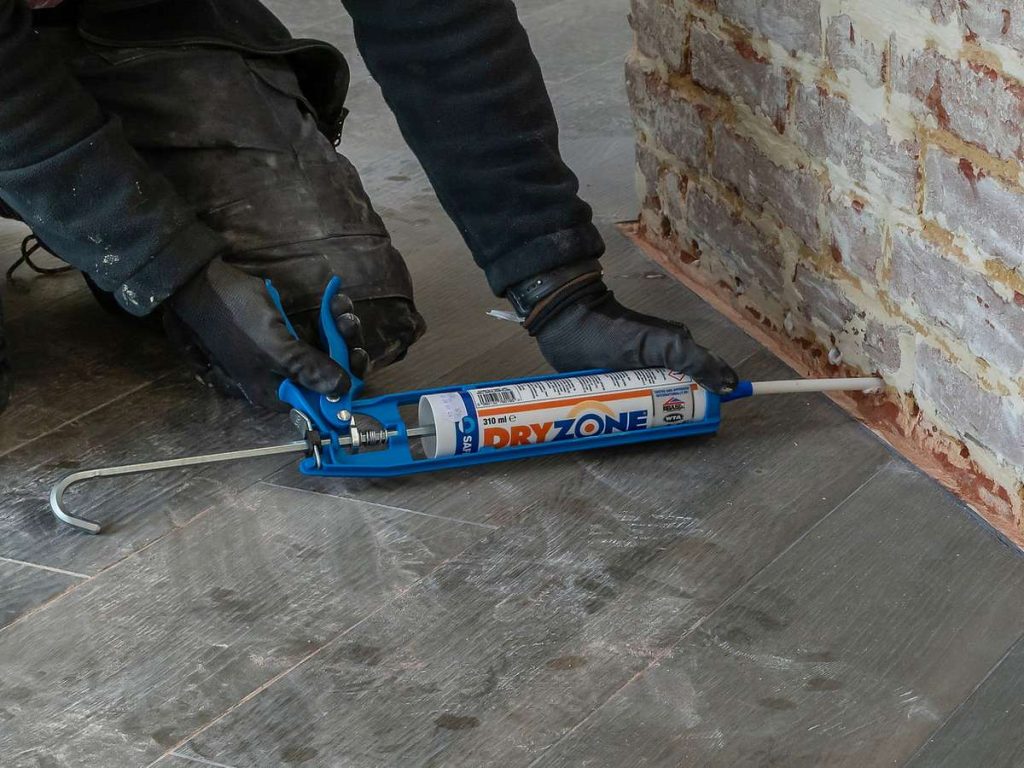
At Damp Proofing Dublin, we provide professional damp proof course and DPC injection services for properties throughout Dublin.
Our experienced team can assess suspected rising damp, identify potential problems with the existing damp-proofing and recommend an appropriate remedial solution.
DPC injection can be an effective method of creating or restoring a moisture barrier within affected walls. However, the correct treatment depends on the construction and condition of the property, which is why proper assessment is an important first step.
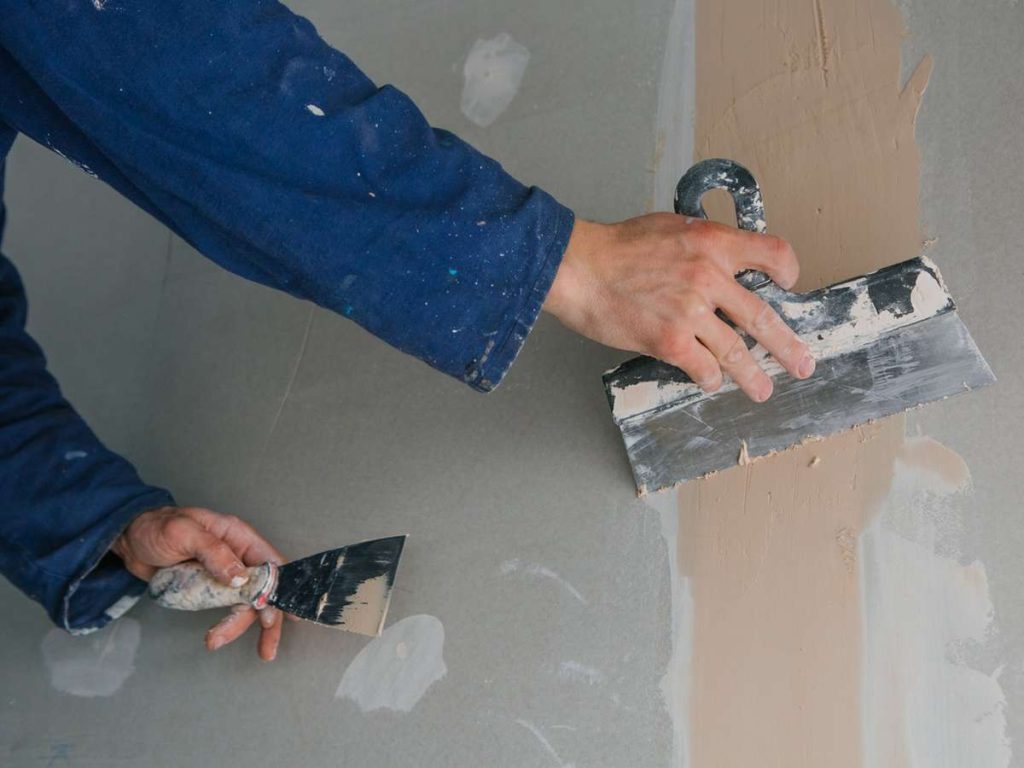
Damp can cause significant damage to internal plaster. Even after the source of moisture has been addressed, damaged or contaminated plaster may need to be removed and replaced.
Our services can include re-plastering following damp proofing and remedial work. The objective is to restore affected walls and provide a suitable finish once the underlying damp problem has been treated.
It is important that re-plastering is considered as part of the wider damp treatment process rather than simply covering visible signs of moisture.
Local Damp Proofing in Cabra
Damp Proofing Dublin provides damp surveys and remedial damp-proofing services throughout Cabra and the surrounding Dublin 7 area. Our experience covers the different types of residential properties found locally, from the planned two-storey terraces of Cabra West to older nineteenth-century houses and converted basement properties along Cabra Road.
We provide rising damp treatment, damp-proof course injection, basement tanking, structural waterproofing, specialist re-plastering and mould-related remedial work, with the appropriate solution determined by the cause and construction of the property.
If you have noticed damp patches, mould, peeling plaster, salt deposits, staining or signs of water ingress in your Cabra property, contact Damp Proofing Dublin to arrange an assessment and find out what may be causing the problem.