
Damp Proofing in Phibsborough
Expert Damp Proofing in Phibsborough
Damp problems are particularly relevant to older Dublin properties, but the cause is not always immediately obvious. Phibsborough has a distinctive mix of Georgian, Victorian, Edwardian and modern buildings, with extensive areas of traditional red-brick terraced housing forming much of the area’s character. At Damp Proofing Dublin, we help homeowners, landlords and property professionals identify and deal with damp and water-related problems throughout Phibsborough and Dublin 7.
We provide damp surveys, rising damp treatment, damp-proof course injection, basement tanking, structural waterproofing, specialist re-plastering and mould removal. If you have noticed damp staining, mould, peeling paint, salt deposits, damaged plaster or a persistent musty smell, identifying the source of the moisture is an important first step.
Damp Problems in Phibsborough Properties
Phibsborough’s residential streets contain a substantial amount of older housing, particularly Victorian and Edwardian red-brick terraces. Dublin City Council’s Architectural Conservation Area documentation notes that the area also retains houses from the first half of the nineteenth century, including yellow-brown brick properties, while later nineteenth-century development created much of the red-brick terrace housing visible today.
These older properties were constructed using materials and methods that differ considerably from modern housing. Solid masonry walls, traditional plaster, timber floors, chimneys, older roofs and traditional rainwater goods can all influence how moisture behaves within the building. Many Phibsborough homes have also been altered over the decades.
Extensions, renovated kitchens and bathrooms, replacement windows, insulation, converted rooms and changes to ventilation can all affect moisture movement. As a result, the location where damp becomes visible may not necessarily be the point where water is entering the property.
Rising Damp in Phibsborough
Rising damp occurs when moisture from the ground moves upwards through porous masonry. Where a damp-proof course is missing, damaged, bridged or no longer effective, moisture can potentially enter the lower sections of walls.
This can be particularly relevant when dealing with older Phibsborough houses where construction methods and previous alterations need to be considered carefully. Symptoms can include staining near the bottom of walls, deteriorating plaster, peeling paint, damaged skirting boards and white or powdery salt deposits.
However, these symptoms do not automatically mean that rising damp is responsible. Penetrating damp, plumbing leaks, defective drainage and condensation can create similar signs, which is why Damp Proofing Dublin focuses on identifying the likely source before recommending treatment.
Penetrating Damp in Phibsborough
Penetrating damp occurs when rainwater or other external moisture enters through the building envelope. For older Phibsborough properties, the condition of brickwork, pointing, render, gutters, downpipes, roofs, chimneys and window openings can all influence the risk of water ingress.
Traditional red-brick terraces rely on the condition of their external walls and associated details to keep moisture out. Over time, joints can deteriorate, gutters can leak and cracks or defective detailing can develop around windows, doors, roof junctions and extensions. Damp appearing around an upper-floor window, chimney breast or ceiling can therefore require a very different investigation from damp found at the base of a ground-floor wall. Our approach is to establish the likely source before recommending remedial work.
Request a Free Quote
Basement Damp Proofing in Phibsborough
Raised-basement and lower-ground-floor properties are another important part of Phibsborough’s older housing stock. The Buildings of Ireland record, for example, identifies an early nineteenth-century terrace on Royal Canal Bank containing a raised basement, traditional brickwork, slate roofing and cast-iron rainwater goods.
Basements and partially below-ground rooms can be particularly exposed to moisture because their walls and floors are in direct contact with surrounding ground. Water may enter through basement walls, floors, joints or other parts of the below-ground structure. Signs of basement damp can include staining, efflorescence, peeling finishes, mould, damp flooring and persistent musty smells.
Where water ingress is more substantial, problems can become particularly noticeable following periods of heavy rainfall. Damp Proofing Dublin provides basement tanking and structural waterproofing solutions where the construction of the property and the source of the water make these treatments appropriate.
Damp Around Phibsborough's Older Roofs and Chimneys
Chimneys and roof junctions are common areas to investigate when damp appears on upper floors of older properties. Phibsborough’s historic housing stock includes traditional pitched roofs, chimneystacks and older rainwater systems, all of which require appropriate maintenance to prevent water entering the building.
A defective flashing detail, damaged roof covering, deteriorated chimney or leaking gutter can allow rainwater to reach internal walls and ceilings. The resulting staining may sometimes be mistaken for condensation or another form of damp.
Damp Proofing Dublin can investigate signs of penetrating damp and help establish whether moisture may be entering through external areas before recommending the appropriate remedial solution.
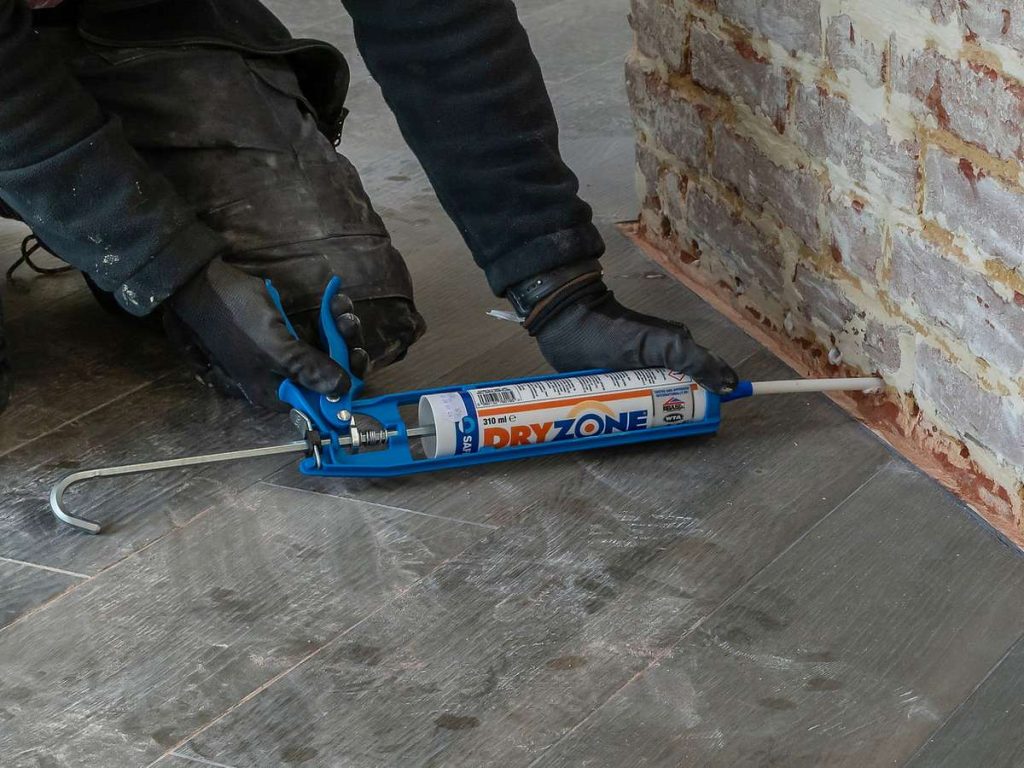
At Damp Proofing Dublin, we provide professional damp proof course and DPC injection services for properties throughout Dublin.
Our experienced team can assess suspected rising damp, identify potential problems with the existing damp-proofing and recommend an appropriate remedial solution.
DPC injection can be an effective method of creating or restoring a moisture barrier within affected walls. However, the correct treatment depends on the construction and condition of the property, which is why proper assessment is an important first step.
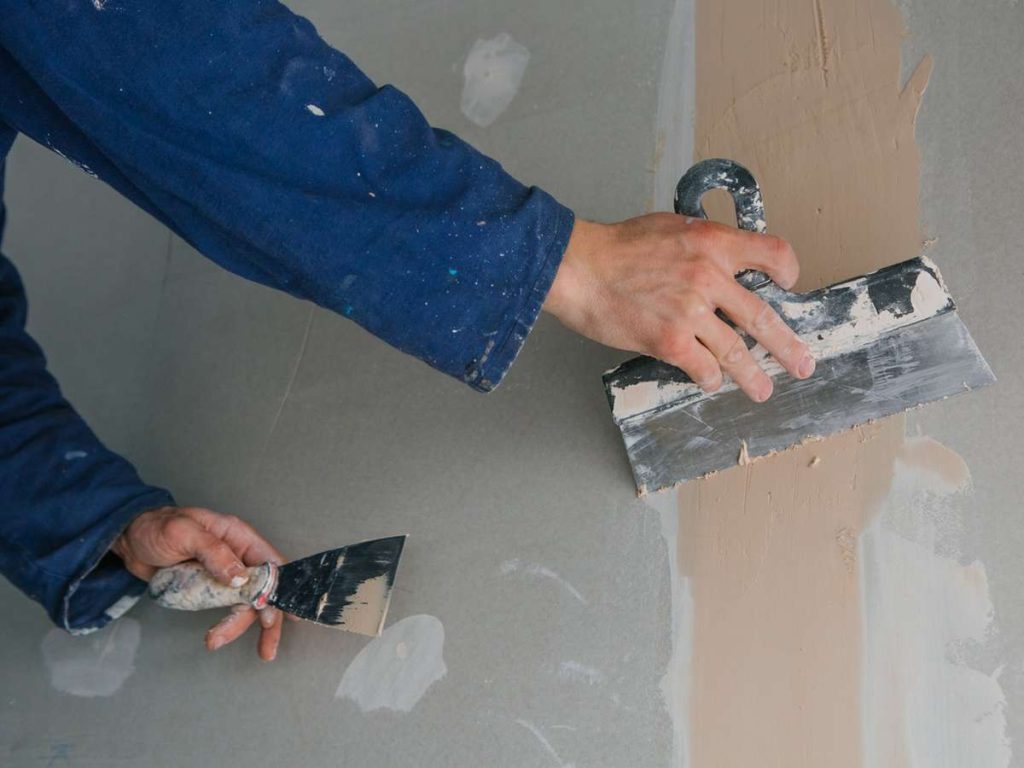
Damp can cause significant damage to internal plaster. Even after the source of moisture has been addressed, damaged or contaminated plaster may need to be removed and replaced.
Our services can include re-plastering following damp proofing and remedial work. The objective is to restore affected walls and provide a suitable finish once the underlying damp problem has been treated.
It is important that re-plastering is considered as part of the wider damp treatment process rather than simply covering visible signs of moisture.
Local Damp Proofing in Phibsborough
Phibsborough’s mixture of Victorian and Edwardian terraces, earlier Georgian properties, raised-basement houses, converted homes and newer buildings means that damp problems can vary considerably from one property to another. Dublin City Council’s local documentation specifically identifies the area’s diverse building stock and the strong architectural character created by its terraced brick buildings.
Damp Proofing Dublin provides damp surveys and remedial damp-proofing services throughout Phibsborough and the surrounding Dublin 7 area. We can help with rising damp, penetrating damp, damp-proof course injection, basement damp, water ingress, structural waterproofing, basement tanking, specialist re-plastering and mould removal.
If you have noticed damp patches, mould, peeling plaster, salt deposits, staining or signs of water entering your Phibsborough property, contact Damp Proofing Dublin to arrange an assessment and find out what may be causing the problem.