
Damp Proofing in Portobello
Specialists in Damp Proofing in Portobello
Portobello is one of Dublin’s established inner-city residential areas, with a particularly strong concentration of period housing. The area around Lennox Street, South Circular Road, Richmond Street, Heytesbury Street and the Grand Canal contains many older terraced properties, including late-Georgian and Victorian houses built during the nineteenth-century expansion of Portobello.
Dublin City Council’s own case study of a house on Lennox Street describes a mid-terrace property dating from around 1837, constructed as a two-storey house over a basement with a two-storey rear return. The building has solid brick walls, traditional sash windows and remains part of a protected historic terrace.
These types of properties can present particular challenges when damp develops. Solid masonry walls, basements, rear returns, traditional roofs, chimneys and older drainage arrangements all need to be considered when investigating moisture.
Many Portobello properties have also been renovated, extended or converted over the years. Basements and rear returns may now form part of kitchens, bathrooms, bedrooms, offices or other living accommodation.
At Damp Proofing Dublin, we provide damp surveys and remedial damp proofing services for homeowners, landlords, property managers and property professionals throughout Portobello and Dublin 8.
If you have noticed damp staining, mould, peeling paint, damaged plaster, salt deposits or water entering your Portobello property, we can investigate the likely source and recommend an appropriate solution.
Damp Problems in Portobello Properties
The housing stock in Portobello is strongly influenced by the area’s nineteenth-century development. Dublin City Council describes the Lennox Street terrace as part of an intact late-Georgian streetscape, illustrating the transition from larger Georgian townhouses towards smaller middle-class homes as the Portobello area developed.
The result is an area where many properties were constructed well before modern damp-proofing and waterproofing systems became standard.
Older houses can contain solid brick walls, traditional plaster, timber sash windows, suspended timber floors, chimneys and basement areas. Some also retain original rear returns and other features of their nineteenth-century layout.
These buildings can respond differently to moisture from modern cavity-wall properties.
A damp patch near the bottom of a wall may require investigation for rising damp, while staining around a chimney, roofline or window could indicate penetrating damp. Moisture in a basement or rear return may be related to water ingress or the condition of below-ground walls.
Previous renovation work can introduce additional considerations. Changes to floors, external ground levels, pointing, windows, insulation and internal finishes can all affect how moisture moves through an older building.
The visible damp patch is therefore not necessarily the source of the problem.
Rising Damp in Portobello Houses
Rising damp can be a potential concern in older Portobello properties, particularly where a suitable damp-proof course is absent, defective or has been bridged.
The solid brick construction found in historic Portobello houses is different from modern cavity-wall construction. Where moisture from the ground enters porous masonry, it can potentially travel upwards through the wall.
Signs that may warrant further investigation include damp staining towards the lower section of a wall, deteriorating plaster, peeling or blistering paint, damaged skirting boards, salt deposits and persistent musty smells.
However, these symptoms do not automatically mean that rising damp is present.
Leaking plumbing, penetrating damp, condensation and water entering from outside can create similar appearances.
This is why the source of the moisture should be established before remedial work is undertaken.
Damp Proofing Dublin can investigate suspected rising damp and assess whether a damp-proof course or DPC injection is appropriate for the individual property.
Penetrating Damp in Portobello Period Properties
Penetrating damp is another potential issue for Portobello’s older houses.
Period properties depend on their external walls, roofs, chimneys, gutters and other elements of the building envelope to prevent rainwater entering the structure. As these components age, defects can develop in brickwork, pointing, roof coverings, flashing, gutters and downpipes.
The traditional construction of many Portobello terraces means that water entering through an external defect can travel through masonry before becoming visible internally.
Damp around a chimney breast may therefore be associated with a roof or chimney defect. Staining below a window could indicate an issue with the external wall or window junction, while damp appearing on an upper floor may require an investigation of the roof or rainwater goods.
Dublin City Council’s Lennox Street case study also highlights the complexity of historic roof and drainage arrangements within the terrace, including parapet gutters, downpipes and valley drainage.
Damp Proofing Dublin can investigate suspected penetrating damp and help establish where moisture is entering the property.
Request a Free Quote
Basement Damp Proofing in Portobello
Basements are a particularly important consideration when dealing with many of Portobello’s period houses.
Dublin City Council’s documented Lennox Street property is a two-storey-over-basement townhouse dating from approximately 1837, while the historic development of Portobello included houses built with basements and railed areas.
These lower-ground areas were historically used for functions such as kitchens, storage and service accommodation. In modern properties, they may have been converted into bedrooms, bathrooms, offices, utility rooms or additional living space.
A basement that was originally designed as service accommodation can therefore have very different requirements when it becomes part of the main living area.
Moisture entering through below-ground walls or floors can cause staining, mould, efflorescence, damaged plaster and persistent musty smells.
Where water is entering a basement, the appropriate solution depends on the construction of the property and the source of the water. Basement tanking or structural waterproofing may be required where conventional damp proofing is not sufficient.
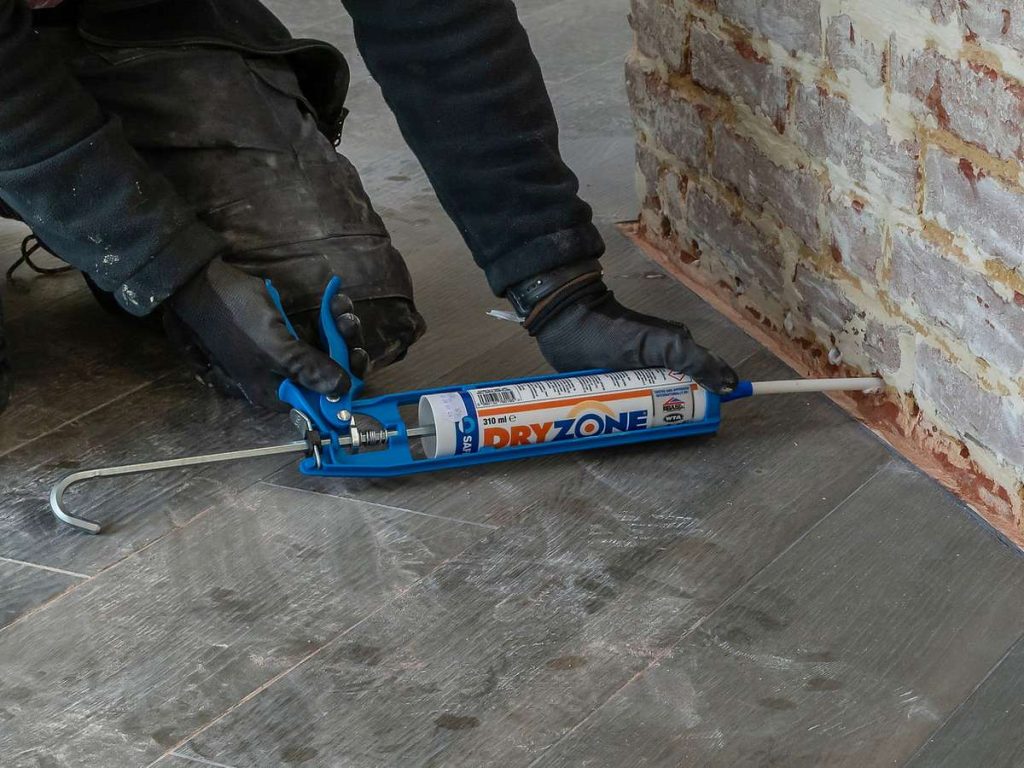
At Damp Proofing Dublin, we provide professional damp proof course and DPC injection services for properties throughout Dublin.
Our experienced team can assess suspected rising damp, identify potential problems with the existing damp-proofing and recommend an appropriate remedial solution.
DPC injection can be an effective method of creating or restoring a moisture barrier within affected walls. However, the correct treatment depends on the construction and condition of the property, which is why proper assessment is an important first step.
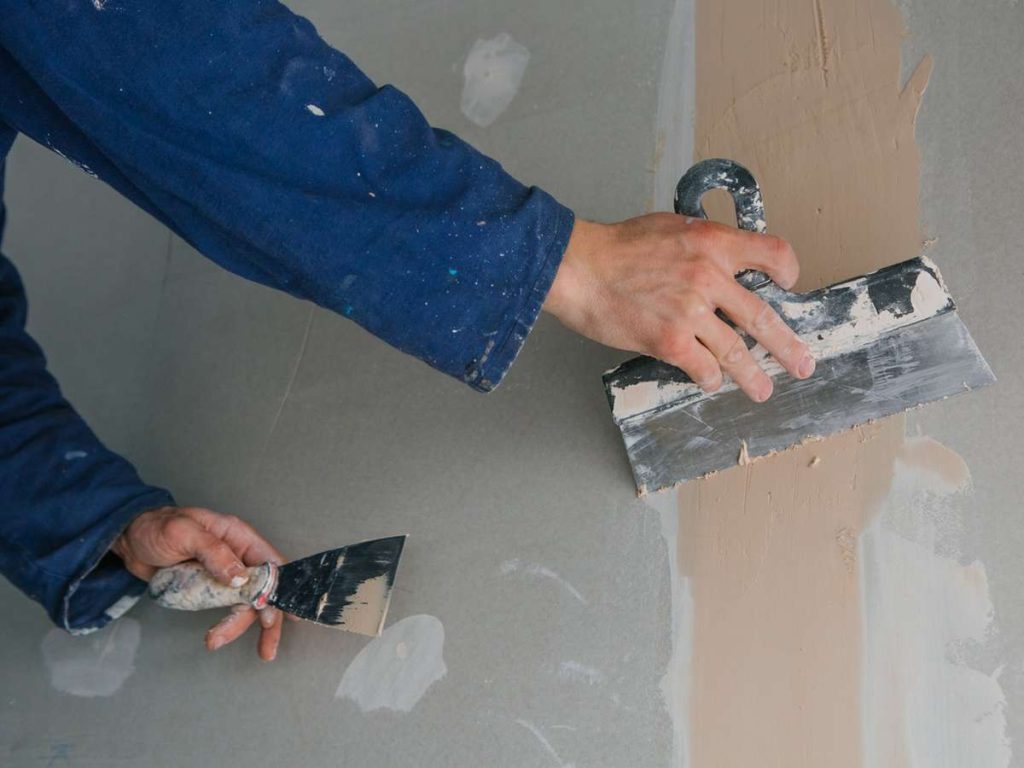
Damp can cause significant damage to internal plaster. Even after the source of moisture has been addressed, damaged or contaminated plaster may need to be removed and replaced.
Our services can include re-plastering following damp proofing and remedial work. The objective is to restore affected walls and provide a suitable finish once the underlying damp problem has been treated.
It is important that re-plastering is considered as part of the wider damp treatment process rather than simply covering visible signs of moisture.
Damp in Rear Returns and Extensions in Portobello
Rear returns are another feature that can be encountered in Portobello’s older houses.
The Lennox Street case study, for example, retains an original two-storey return to the rear of the property.
These sections of older houses can have different rooflines, junctions and drainage arrangements from the main building. Over time, these junctions can become vulnerable to water ingress, particularly where gutters, valleys, flashing or roof coverings have deteriorated.
Many rear returns have also been modified during renovations, with kitchens, bathrooms and other accommodation added or remodelled.
Damp appearing around a rear return should therefore be investigated with both the original construction and subsequent alterations in mind.
Damp Proofing Dublin can assess damp affecting rear extensions and returns and help identify whether the problem is related to penetrating damp, plumbing, condensation or another source of moisture.
Local Damp Proofing for Portobello Properties
Whether you own a late-Georgian terrace on Lennox Street, a period house close to the South Circular Road, a property near Portobello Harbour and the Grand Canal, or a renovated home elsewhere in Dublin 8, damp problems need to be investigated according to the individual building.
Portobello’s historic housing stock means that properties can differ considerably in their construction, layout and condition.
A damp patch along the bottom of a solid brick wall may require investigation for rising damp. Staining around a chimney or upper-floor wall could indicate penetrating damp. Moisture in a basement may require waterproofing, while damp around a rear return could require investigation of the roof, gutters or junction between the original house and later extension.
The right treatment starts with identifying the cause.
Damp Proofing Dublin provides damp surveys and remedial damp proofing services throughout Portobello and the surrounding Dublin 8 area.
Our services include damp surveys, rising damp treatment, damp-proof course and DPC injection, penetrating damp treatment, basement damp proofing, water ingress solutions, basement tanking, structural waterproofing, specialist re-plastering and mould removal.
If you have noticed damp patches, mould, peeling plaster, staining, salt deposits or signs of water entering your Portobello property, contact Damp Proofing Dublin to arrange an assessment.