
Damp Proofing in Ranelagh
Damp Proofing Specialists in Ranelagh
Damp problems are not unusual in older Dublin properties, but identifying the actual cause is important before deciding on a treatment.
Ranelagh has a particularly strong concentration of Victorian and Edwardian housing, including traditional red-brick terraces, period houses and converted properties. There are also apartments and newer developments, particularly around the main roads and within renovated period buildings.
At Damp Proofing Dublin, we help homeowners, landlords and property managers identify and deal with damp and water-related problems throughout Ranelagh and Dublin 6.
We provide damp surveys, rising damp treatment, damp-proof course installation, basement tanking, structural waterproofing, specialist re-plastering and mould removal, with the appropriate solution determined by the construction and condition of the individual property.
If you have noticed damp patches, mould, peeling paint, damaged plaster, salt deposits or a persistent musty smell, getting the cause investigated is an important first step.
Problems with damp in Ranelagh Properties
Ranelagh’s housing stock has a strong period character. Streets throughout the area contain long rows of Victorian and Edwardian houses, while areas around Ranelagh Road, Sandford Road and Morehampton Road also contain purpose-built apartments and other residential properties.
Dublin City Council describes the mid-terrace houses on Ashfield Avenue as characteristic of Ranelagh, with continuous red-brick façades and traditional construction details.
Many of these older properties were built with solid masonry walls and suspended timber floors. Traditional plaster, chimneys, roof structures, extensions and lower-ground areas can all influence how moisture behaves within the building.
Over the years, many Ranelagh properties have also been renovated. Extensions may have been added, windows replaced, rooms converted and modern finishes introduced.
These changes can alter ventilation and moisture movement within an older building.
As a result, the visible damp patch is not necessarily where the moisture is entering.
This is why professional diagnosis is important before carrying out remedial damp work.
Rising Damp in Ranelagh's Period Houses
Rising damp is one of the issues commonly considered when investigating moisture in older properties.
Moisture from the ground can move upwards through porous masonry where an effective damp-proof barrier is absent, defective or bridged.
Older Victorian and Edwardian properties can be particularly interesting from a damp-proofing perspective because damp-proof courses were introduced during this period but were not necessarily present, effective or still functioning as originally intended in every property. Raised external ground levels, later floors and other alterations can also bridge an existing DPC.
Potential signs include:
- Damp staining towards the bottom of walls
- Flaking or blistering paint
- Crumbling or damaged plaster
- White or powdery salt deposits
- Damaged skirting boards
- A persistent musty smell
- Walls that repeatedly feel damp at lower levels
However, these symptoms do not automatically mean that rising damp is the cause.
Penetrating damp, leaking plumbing, defective drainage and condensation can produce similar symptoms.
Our approach is to investigate the property and identify the likely source of the moisture before recommending a damp-proofing treatment.
Penetrating Damp in Ranelagh's Red-Brick Houses
The external condition of a period property can have a significant influence on internal damp.
Ranelagh’s Victorian and Edwardian terraces feature extensive areas of exposed brickwork, along with gutters, chimney stacks, roof junctions, windows and other external details that need to remain weather-resistant.
Dublin City Council’s Ranelagh case study, for example, identified later cement pointing applied over the original lime mortar joints of a typical red-brick terrace. Changes to traditional external finishes can be relevant when assessing how moisture is managed within older masonry.
Penetrating damp may be associated with issues such as:
- Deteriorated or defective pointing
- Damaged brickwork
- Leaking gutters and downpipes
- Defective roof coverings
- Chimney defects
- Failed seals around windows
- Cracks or gaps around external openings
- Water entering around extensions or roof junctions
- Defective flashing or other roof details
The position of the internal damp can provide useful clues.
For example, staining around a chimney breast or upper-floor ceiling may require a very different investigation from moisture appearing along the bottom of a ground-floor wall.
Request a Free Quote
Damp and Suspended Timber Floors in Ranelagh
Many Victorian and Edwardian Dublin houses were constructed with suspended timber ground floors and a ventilated void beneath them.
This type of construction requires adequate ventilation beneath the floor.
If ventilation becomes restricted, moisture can accumulate within the subfloor area. Blocked air bricks, alterations to external ground levels, debris within the subfloor void or changes made during renovation can all affect the way the area ventilates.
Potential warning signs can include:
- A musty smell around ground-floor rooms
- Damp or deteriorating skirting boards
- Localised floor movement
- Dampness around floor edges
- Signs of timber deterioration
- Persistent moisture beneath ground-floor areas
Where these symptoms are present, it is important to investigate the subfloor and surrounding construction rather than assuming that the problem is simply condensation or rising damp.
Basement and Lower-Ground-Floor Damp in Ranelagh
Some of Ranelagh’s larger period properties and converted homes include lower-ground-floor or basement accommodation.
A basement that was originally used for storage or service areas may now form part of the living space, with kitchens, bathrooms, utility rooms, offices or other rooms incorporated into the property.
Because basement walls and floors are at or below ground level, these areas can be particularly vulnerable to water ingress.
Signs of basement damp can include:
- Damp patches on walls
- Water staining
- Efflorescence or salt deposits
- Peeling paint or damaged finishes
- Damp floors
- Musty smells
- Water entering after periods of heavy rain
Water may enter through basement walls, floors, joints or other parts of the below-ground structure.
Depending on the construction and source of the water, basement tanking or structural waterproofing may form part of the recommended solution.
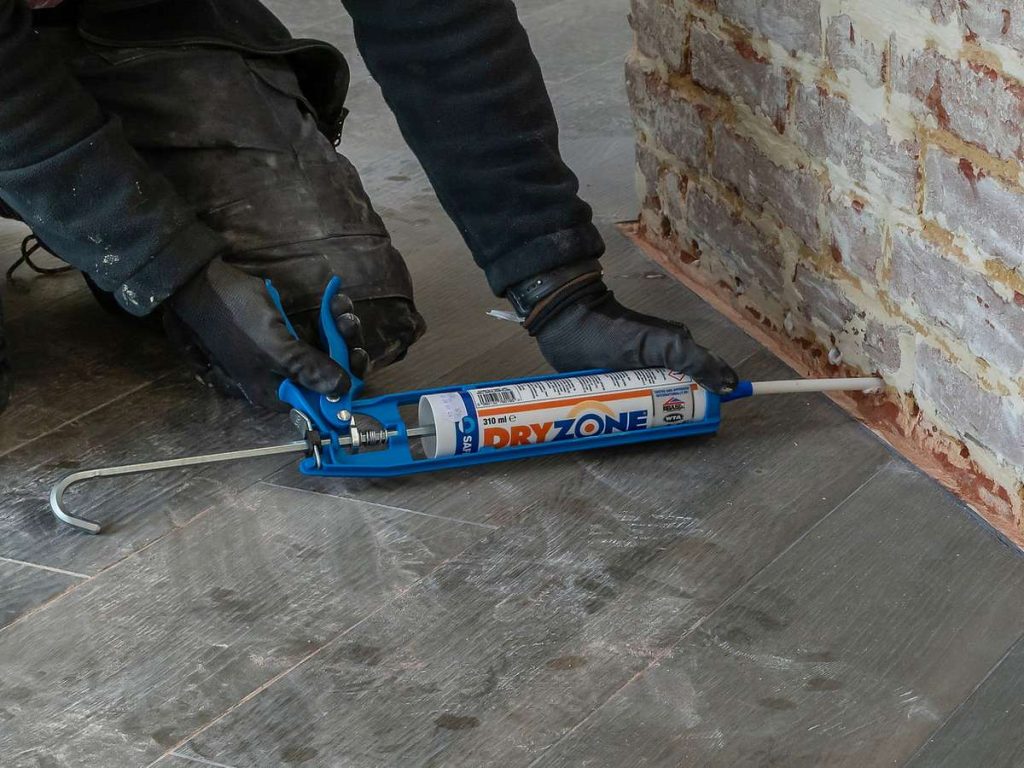
At Damp Proofing Dublin, we provide professional damp proof course and DPC injection services for properties throughout Dublin.
Our experienced team can assess suspected rising damp, identify potential problems with the existing damp-proofing and recommend an appropriate remedial solution.
DPC injection can be an effective method of creating or restoring a moisture barrier within affected walls. However, the correct treatment depends on the construction and condition of the property, which is why proper assessment is an important first step.
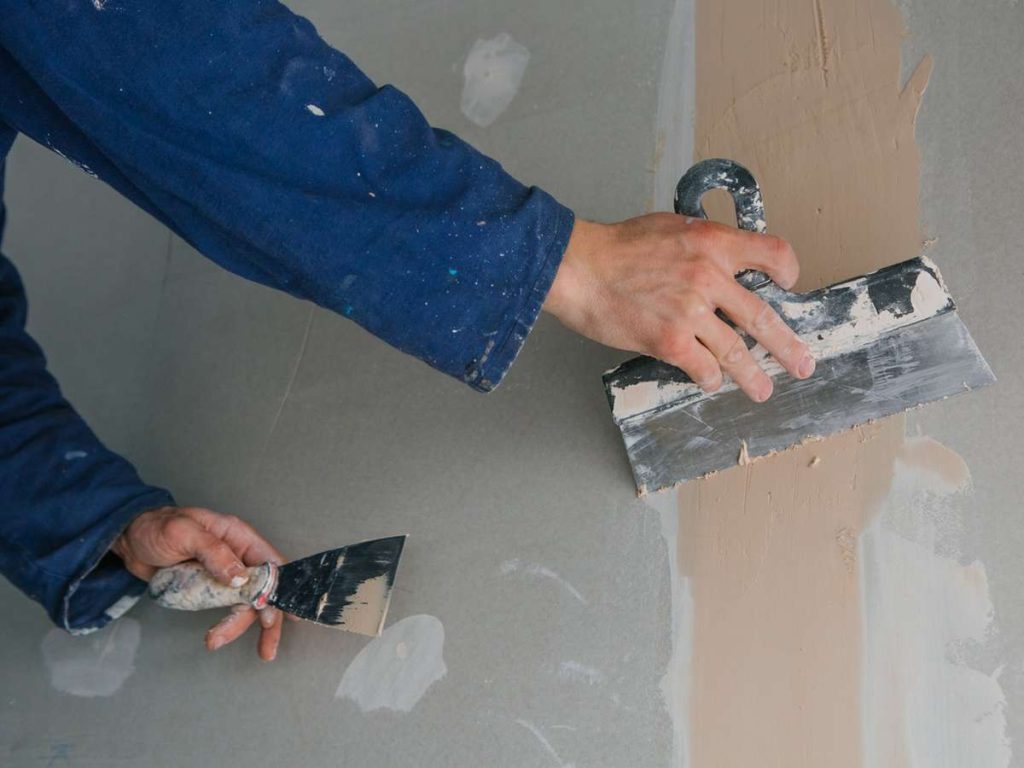
Damp can cause significant damage to internal plaster. Even after the source of moisture has been addressed, damaged or contaminated plaster may need to be removed and replaced.
Our services can include re-plastering following damp proofing and remedial work. The objective is to restore affected walls and provide a suitable finish once the underlying damp problem has been treated.
It is important that re-plastering is considered as part of the wider damp treatment process rather than simply covering visible signs of moisture.
Local Damp Proofing in Ranelagh
Whether you own a Victorian red-brick terrace on one of Ranelagh’s residential streets, a larger period house, a converted property or an apartment close to Ranelagh Road, Sandford Road, Morehampton Road or Chelmsford Road, damp problems need to be assessed in the context of the building itself.
At Damp Proofing Dublin, we provide damp surveys and remedial damp-proofing services throughout Ranelagh and the wider Dublin 6 area.
We can help with rising damp, penetrating damp, basement damp, water ingress, structural waterproofing, basement tanking, damp-proof courses and specialist re-plastering.
If you are seeing damp patches, mould, peeling plaster, staining, salt deposits or signs of water entering your Ranelagh property, contact Damp Proofing Dublin to arrange an assessment.
The first step is understanding what is causing the moisture. Once the cause has been established, we can explain the available remedial options.