Edwardian House Damp Proofing Dublin
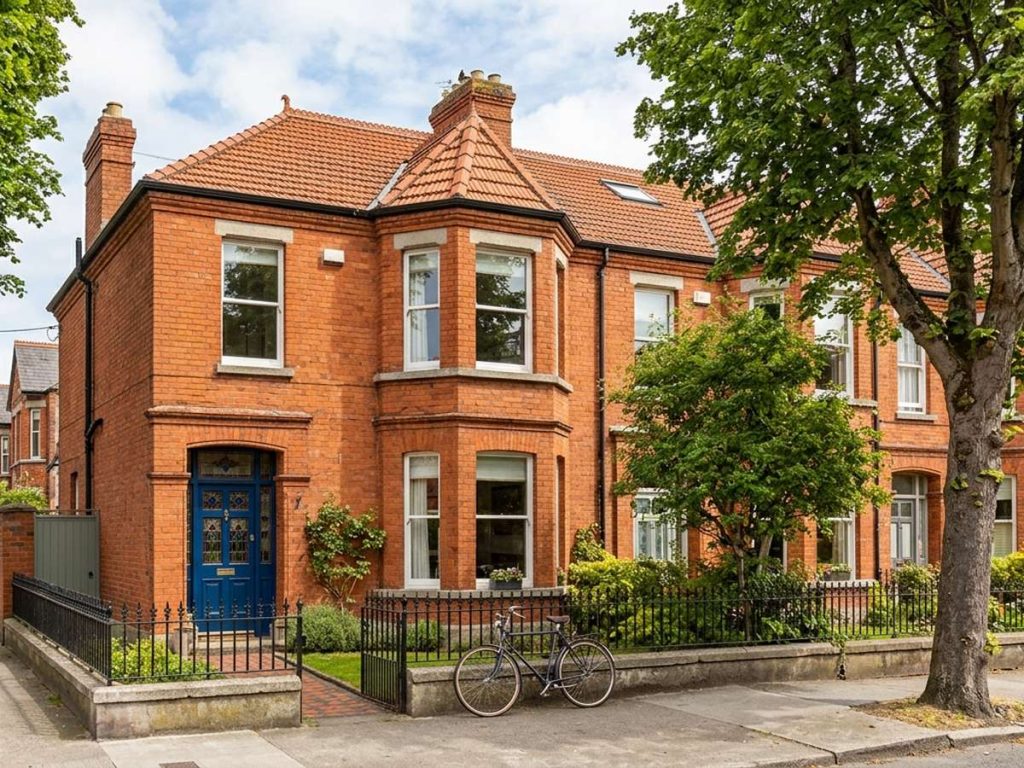
Edwardian Home Construction in Dublin
Breathable Render Remediation for Dublin
Edwardian facades across Dublin frequently incorporate decorative roughcast pebbledash, smooth lime renders, and exposed red-brick banding. Over decades of weather exposure and inappropriate repairs, many homes have been coated in dense, modern cement renders that prevent the building from drying naturally. When rainwater penetrates micro-cracks in impermeable cement coats, it becomes trapped behind the render, saturating the historic brickwork underneath. During winter months, trapped water undergoes freeze-thaw cycles that break the bond between render and brick, blowing whole sections of plaster and causing unseen masonry decay across Dublin homes.
- Careful manual removal of non-breathable cement renders to expose and inspect historic Edwardian brickwork.
- Application of traditional hydraulic lime renders engineered specifically for Dublin’s damp maritime conditions.
- Full vapor permeability allowing internal wall moisture to evaporate freely into the external air.
- Restoration of decorative exterior details, including gable-end pebbledash and ornamental window surrounds.
- Prevention of internal damp migration and damp-induced timber decay within structural wall framing.
Replacing rigid cement renders with breathable lime render restores the natural drying capacity of your Edwardian home’s exterior envelope. Lime renders flexible nature accommodates minor structural movement without cracking, ensuring long-term protection against rain ingress. By allowing your walls to breathe, we restore the natural thermal efficiency of solid brickwork, preventing damp patches, mold growth, and decorative wall decay on internal surfaces throughout Dublin period dwellings.
Damp Proof Injection for Dublin
Remediating rising damp in Edwardian Dublin houses requires an approach tailored to early modern brick bonding and mixed mortar types. While many Edwardian structures incorporated primitive bitumen or slate damp proof courses, these physical barriers often breakdown due to age or become bridged by elevated outdoor garden beds and driveways. Injecting a modern, high-grade silane-siloxane damp proof cream into lower mortar lines creates a continuous, hydrophobic barrier. This specialist barrier stops rising groundwater from ascending through porous red bricks while respecting the breathability and structural integrity of the surrounding masonry.
Executing effective chemical DPC injections in Edwardian properties involves precise drilling along low-level bed joints to preserve decorative red facing bricks. Our certified installers analyze the specific mortar compositions of your Dublin home before treatment to ensure optimal fluid dispersion. Following injection, interior walls are re-plastered using breathable, salt-resistant lime plaster systems, ensuring ground salts lingering in the masonry do not spoil decorated internal wall finishes.
Floor Void Ventilation Controls Dublin
Edwardian homes in Dublin are renowned for their grand suspended timber floors, intricate parquet entries, and decorative floorboards. However, adequate airflow beneath these wooden floors is essential to prevent subfloor dampness from accumulating in the crawl space. Over time, original cast iron subfloor air vents often become blocked by debris, modern landscaping, or external wall insulation. High humidity levels beneath the floorboards create ideal conditions for fungal spores to thrive, leading to catastrophic dry rot (Serpula lacrymans) and wet rot in structural floor joists.
- Complete clearing and unblocking of historic subfloor air vents along Dublin front and rear elevations.
- Installation of additional period-correct air bricks to maximize cross-ventilation through subfloor voids.
- Specialized fungicidal spray treatments applied directly to exposed joists, wall plates, and timber underside.
- Mechanical repair and reinforcement of rot-damaged timber joist ends using isolated, treated timber.
- Deployment of subfloor vapor barriers over exposed soil to drastically reduce moisture evaporation.
Restoring cross-ventilation beneath Edwardian suspended floors removes stagnant, humid air before it can saturate structural floor timbers. Proper air circulation stabilizes relative humidity, eliminating unpleasant, musty floorboard odors and protecting decorative parquet flooring from cupping or warping. Our comprehensive subfloor ventilation strategies protect the structural foundations of period homes across Dublin from costly decay and insect infestations.
Request a Free Quote
Penetrating Rain Barriers in Dublin
Dublin’s severe, wind-driven coastal weather poses a continuous threat to red-brick Edwardian facades, particularly exposed bay windows, parapet walls, and gable ends. Penetrating damp occurs when heavy rainfall saturates porous red bricks and fine mortar joints, bleeding directly through the wall core into interior living areas. To safeguard your facade without altering its historic appearance, we apply advanced, vapor-permeable masonry water repellents. These siloxane-based treatments sink deep into the brick matrix, forming an invisible, water-repellent barrier that causes rain to bead up and run off cleanly.
Unlike superficial acrylic sealers or exterior paints, breathable masonry repellents do not create an impermeable film over the brickwork. Water vapor trapped inside the wall structure can still freely escape outward, preventing moisture build-up behind the treatment layer. Protecting external brickwork against water saturation prevents winter frost damage, spalling brick faces, and heat loss, ensuring your Edwardian home in Dublin remains warm, dry, and energy-efficient year-round.
Targeted Damp Diagnostics across Dublin
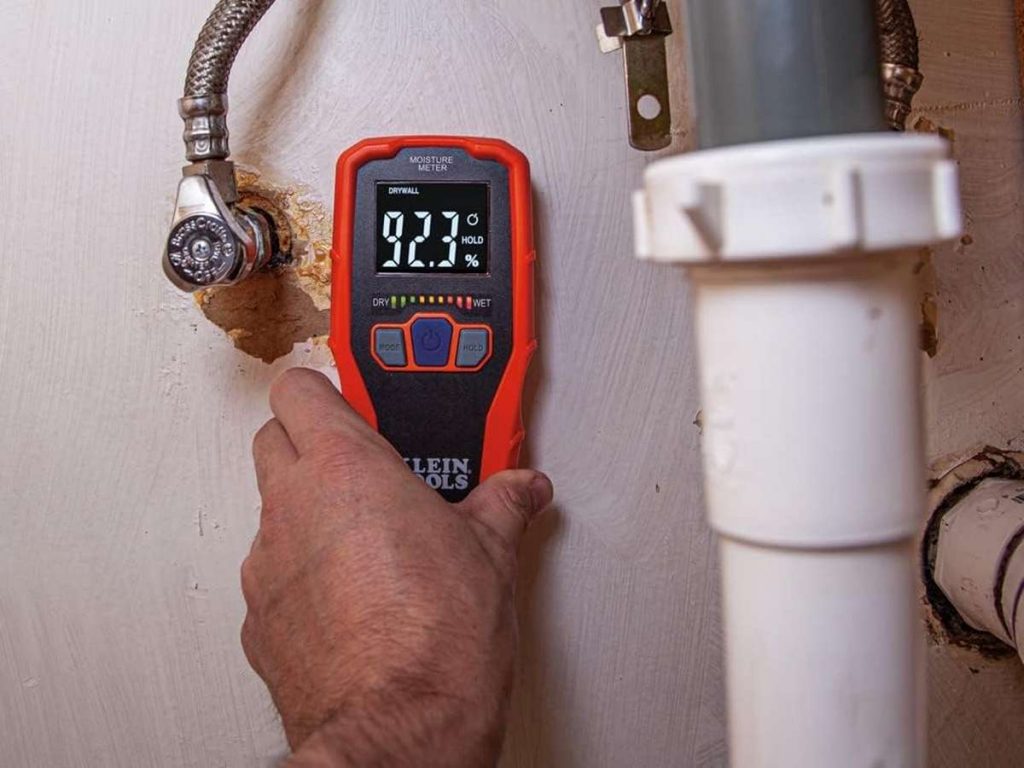
Accurately identifying the root cause of dampness in an Edwardian property requires specialized knowledge of early twentieth-century construction techniques. Misdiagnosing simple atmospheric condensation, leaking gutters, or bridged cavities as rising damp leads to ineffective, destructive treatments. Our diagnostic surveys across Dublin combine deep heritage experience with non-invasive technology, including high-frequency moisture meters, thermal imaging cameras, and salt sampling. We carefully assess ground levels, subfloor ventilation, downpipes, and masonry condition to pinpoint exact moisture entry pathways before recommending any physical work.
Every Edwardian home in Dublin features unique structural alterations made over its long service life. Our detailed survey reports detail tailored, minimally invasive damp-proofing solutions that prioritize building breathability and architectural conservation. By resolving the genuine cause of dampness—whether high outdoor paving, failing slate DPCs, or defective rainwater goods—we protect Dublin homeowners from unnecessary expenses while ensuring remedial works conform to authentic period preservation standards.