
Georgian Brickwork Restoration Dublin
Georgian Masonry Care in Dublin
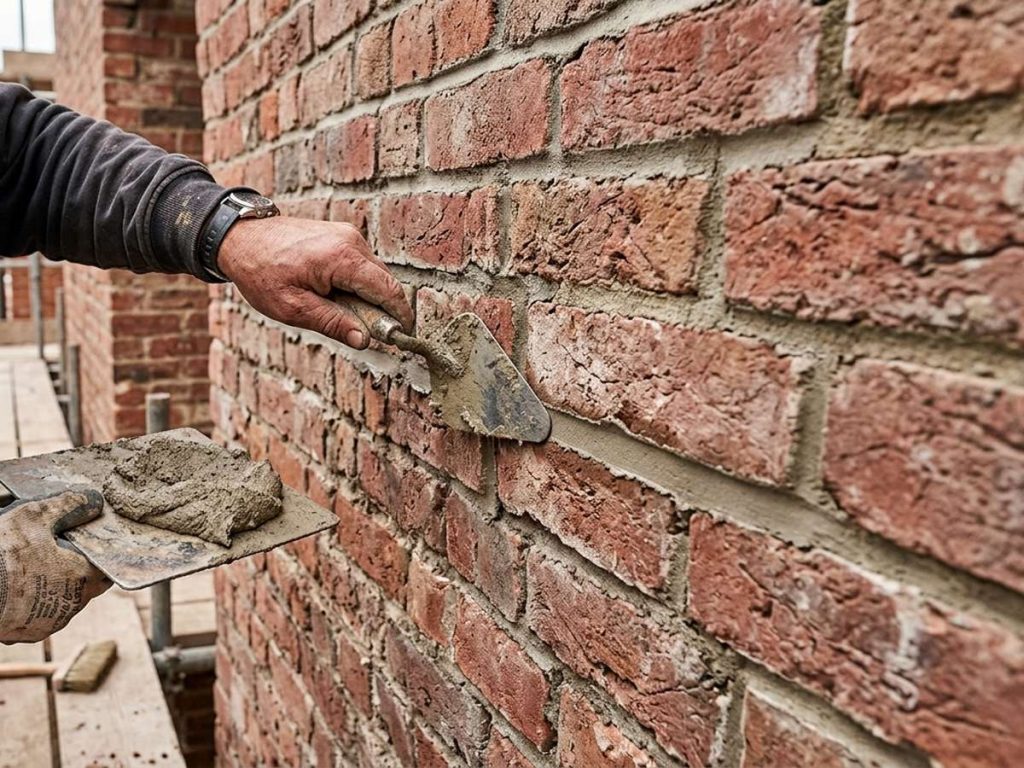
Resolving Eroded Mortar Beds and Joint Profiles
Eroded, loose, and receded mortar beds represent one of the most prevalent threats facing Georgian properties across Dublin today. Prolonged exposure to wind-driven rain, seasonal freeze-thaw cycles, and atmospheric pollutants slowly breaks down the historic lime binder, causing joint beds to crumble and wash out over time. As deep channels form between individual handmade brick courses, driving rain accumulates within these void spaces during storms. Left unaddressed, waterlogged mortar beds destabilize surrounding masonry sections, cause damp patches on interior decorative plasterwork, and compromise overall structural stability. Timely remediation fills these cavities, re-establishing a continuous weather-tight protective barrier.
Restoring weathered Georgian mortar beds requires painstaking preparation to ensure long-term adhesion for fresh mortar applications. Our skilled craftspeople strictly avoid high-speed mechanical power tools, which can easily score soft Georgian brick edges and destroy historical joint profiles. Instead, we manually rake out failing mortar to an even depth, flushing away loose dust to establish a clean bonding channel for new lime mortar. Refilling these prepared beds with custom-blended lime mixes restores proper load-bearing capacity across the wall while halting water ingress at the outer surface. This careful repair process restores structural balance while renewing your facade’s authentic historic appearance.
Remediating Inappropriate Cement Pointing
A severe issue compromising Dublin’s Georgian brick facades is the past application of hard, modern Portland cement pointing during quick structural repairs. Modern cement creates an impermeable, rigid barrier over breathable historic masonry, sealing water directly behind the pointing line. Unable to escape outward through non-breathable cement joints, trapped dampness is driven deep into the softer handmade clay bricks. During freezing winter spells, water locked inside the brick matrix expands forcibly, causing severe surface spalling, face flaking, and irreversible structural crumbling of original brickwork. Modern cement effectively converts simple surface maintenance into permanent masonry failure.
Damp Proofing Dublin safely extracts damaging cement pointing using gentle hand tools engineered to isolate hard mortar beds without fracturing fragile brick edges. Once the non-breathable outer layer is completely removed, we repoint the facade using flexible, vapor-permeable lime mortar formulated to match the original build specification in color, texture, and flexibility. Lime mortar acts sacrificially, wearing slowly over decades while keeping adjacent historic bricks completely safe from structural decay. Eliminating dense cement allows Georgian walls to “breathe” again naturally, halting freeze-thaw spalling and reversing the cycle of deterioration caused by unsuitable modern materials.
Structural Repairs for Fractured Georgian Brickwork
Visible cracking across Georgian brick facades signals underlying structural stresses caused by foundation settlement, rusting iron wall ties, decaying timber lintels, or severe frost heave. Fractures that extend across bed joints and break individual bricks create direct pathways for driving rain to penetrate deep into internal wall cavities and timber floor assemblies. Unchecked water entry rapidly rots hidden floor joists, degrades delicate interior plasterwork, and causes localized masonry instability. Resolving structural fracturing promptly stabilizes the entire wall elevation, preventing minor surface defects from escalating into extensive structural repairs that threaten property value.
Our restoration specialists provide complete masonry repair and authentic brick matching services tailored specifically to Georgian Dublin architecture. We source genuine reclaimed Georgian Dublin bricks that perfectly mirror your property’s original clay composition, surface texture, dimensions, and unique color variations. For active structural fractures, we install discreet stainless steel helical reinforcement bars directly within bed joints to stitch cracked sections together without altering the exterior aesthetic. This hidden reinforcement network redistributes structural loads evenly across the masonry wall while stabilizing the facade, delivering long-term strength while maintaining authentic historic character.
Request a Free Quote
Mitigating Water Penetration and Weather Damage
Dublin’s maritime environment subjects Georgian townhouses to persistent heavy rain, damp sea air, and sudden freeze-thaw cycles throughout the year. Over decades, continuous weather exposure wears away protective mortar profiles, allowing driving rain to saturate solid brick wall assemblies. Saturated masonry conducts heat away rapidly, making rooms drafty, difficult to warm, and expensive to heat during winter months. Persistent structural dampness also encourages black mold growth, ruins interior wallpaper, and rots perimeter timber skirting boards. Establishing a resilient defense against environmental weathering is essential for maintaining building health and thermal efficiency.
Damp Proofing Dublin resolves water penetration through a comprehensive, two-stage restoration strategy engineered for Irish weather conditions. First, our craftspeople execute deep lime repointing across the entire facade to eliminate all cracks and void spaces where water can enter. Next, where exposed wall elevations face harsh prevailing winds, we apply advanced breathable siloxane-based water repellents formulated specifically for historic masonry. These specialized treatments create an invisible hydrophobic layer that causes rain to bead up and roll off without sealing natural pores. Internal water vapor escapes unimpeded, leaving your brickwork dry, energy-efficient, and fully protected against Dublin’s weather.
Restoring Exposed Chimney Stacks and Window Fenestrations
Chimney stacks and masonry reveals surrounding windows or doors endure extreme atmospheric exposure on Georgian Dublin properties. Positioned high above the roofline, chimney brickwork takes the full impact of driving storms, resulting in washed-out mortar, loose brick courses, and damp creeping down internal chimney flues. Similarly, weathered jointing around window reveals creates micro-gaps that allow moisture to enter around frames, decaying timber sills and damaging internal plasterwork around fine Georgian window surrounds. Protecting these vulnerable architectural intersections requires specialized conservation masonry to maintain an airtight, watertight seal around the building envelope.
Our conservation team applies targeted repair protocols to protect these critical structural junctions against accelerated environmental degradation. We carefully rebuild deteriorated chimney stacks using flexible lime mortars, fitting new lead flashings and protective weathering cappings to direct rainwater away from exposed brick surfaces. Around window and door openings, we repair broken brick reveals, replace worn support lintels, and apply compatible, flexible lime pointing designed to accommodate natural frame movement. Sealing these vulnerable architectural perimeters eliminates common water pathways, protecting interior wall finishes and preserving the intricate detailing that defines Dublin’s Georgian streetscapes.

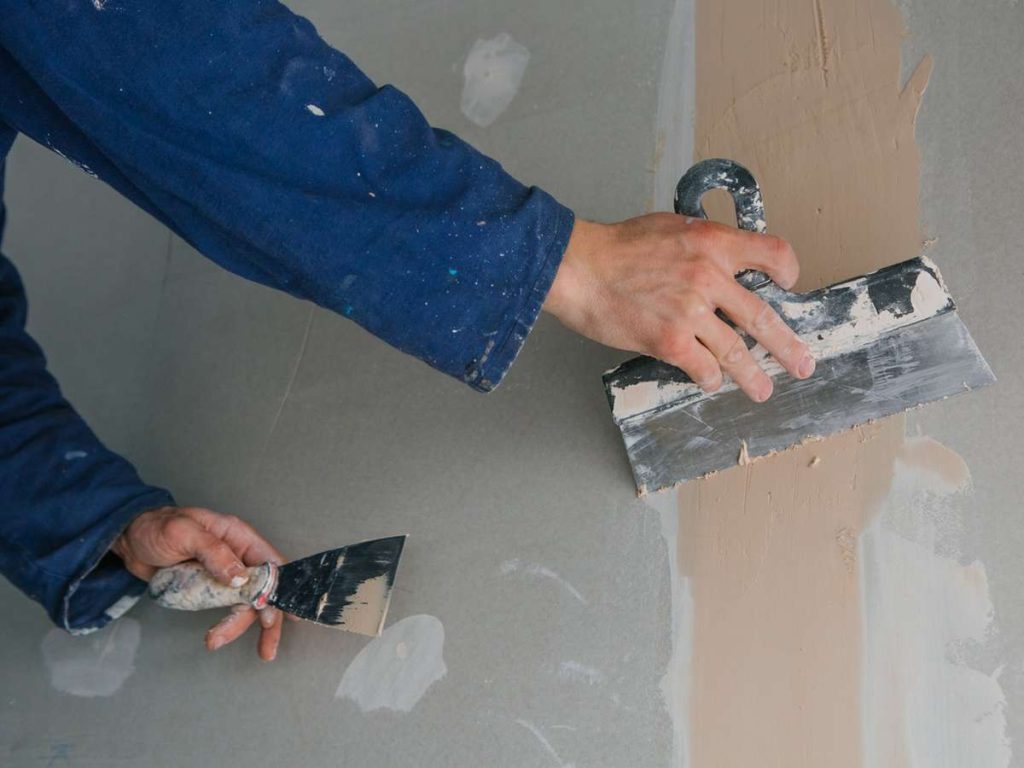
After we have damp proofed your property, we can begin to plaster it. This allows us to restore your home or business to its former self, now free of damp, mould, or anything else we found. Our skilled team work quickly and professionally, ensuring quality work every time.
Reasons to choose Damp Proofing Dublin for your brick repointing and restoration project:
Specialized Heritage Expertise
Our craftspeople specialize in Dublin’s unique architectural heritage, from Victorian redbricks to Georgian townhouses. We understand historical construction methods and hand-apply traditional pointing techniques, ensuring every restoration respects the original character of your home while delivering long-lasting structural strength and weather protection.
Breathable Lime Mortar Specialists
We use custom-mixed, breathable lime mortars rather than damaging Portland cement. Compatible materials allow your building to move and release moisture naturally, preventing severe brick spalling, wall dampness, and masonry decay. This preserves your property’s structural integrity and keeps your indoor spaces dry and healthy.
Comprehensive Damp & Structural Care
Unlike general masonry contractors, our deep background in damp proofing allows us to identify and solve underlying moisture problems. We inspect high-risk areas like failing window seals, damaged chimneys, and leaking flashings, stopping water penetration at the source before restoring your exterior brickwork seamlessly.
Gentle, Non-Destructive Techniques
We prioritize preservation by avoiding harsh power tools that scar fragile brick edges. Our team uses delicate hand raking and soft masonry cleaning methods to remove weathered mortar and urban soot, renewing your facade’s appearance without causing micro-cracks or permanent damage to historic brick surfaces.
Enhanced Kerb Appeal & Market Value
Degraded mortar and cracked bricks significantly detract from your property’s appearance and resale value. Our high-precision repointing and brick restoration return tired, weathered facades to their original grandeur, dramatically boosting kerb appeal while protecting your real estate investment for decades to come.
Local Knowledge & Reliable Service
As a Dublin-based specialist, we understand how harsh coastal winds, heavy rainfall, and freeze-thaw cycles impact local masonry. We deliver transparent communication, fully insured craftsmanship, and tailored solutions built specifically to withstand Ireland’s challenging wet climate year-round.