Georgian House Damp Proofing Dublin
Georgian Homes Damp Proofing in Dublin
Breathable Lime Plastering for Dublin
Replacing damaged modern plasters with traditional breathable lime plaster is vital when restoring historic Georgian townhouses in Dublin. Lime plaster functions as a natural moisture regulator, drawing damp out of thick masonry walls and releasing it harmlessly into the room air. This dynamic evaporation prevents trapped moisture from migrating into upper-floor timber structures and ornate decorative finishes. During our restoration process, we carefully strip non-breathable cement coats to expose original masonry before applying multi-coat lime plaster systems engineered specifically for Dublin’s humid climate.
- Hand-mixed hydraulic and non-hydraulic lime mortars matched precisely to historic Dublin masonry.
- Complete removal of synthetic paints and impermeable cement renders that trap wall dampness.
- Enhanced thermal performance while maintaining full vapor permeability across solid brick walls.
- Prevention of salt crystallization and long-term surface efflorescence on decorative internal walls.
- Full protection of internal features, including historic cornices, dado rails, and timber architraves.
Using lime plaster ensures long-term structural health while retaining the authentic historic aesthetic of Dublin’s period properties. Modern cement plasters create rigid, impermeable barriers that crack under minor structural movement, creating hidden moisture pockets behind internal walls. By adhering to traditional plastering techniques, we preserve the internal climate of Georgian dwellings, providing healthier indoor air quality while protecting historic building fabric for generations to come across Dublin.
Chemical DPC Injection in Dublin Georgian Homes
Installing a modern damp proof course (DPC) into a Georgian townhouse requires specialized care to protect delicate historic masonry. Original physical DPCs in Dublin’s older properties were often composed of slate beds or thick mortar joints, which shift and degrade over centuries of ground settlement. We utilize high-grade silicone-based DPC injection fluids specifically formulated for porous historic brickwork and soft lime mortar. Injected low into the wall profile, this chemical barrier creates a continuous hydrophobic layer that stops rising groundwater without compromising structural stability or blocking natural breathability.
When executing chemical DPC treatments in Georgian Dublin homes, our certified technicians carefully target mortar beds rather than drilling into soft facing bricks. This precise application minimizes visual impact and preserves the architectural integrity of historic walls. Following injection, walls must dry at a controlled rate alongside breathable lime re-plastering to ensure ground salts do not spoil restored internal finishes.
Subfloor Timber Rot Prevention Dublin
Suspended timber floors are a defining feature of Georgian townhouses throughout Dublin, but they are highly vulnerable to subfloor moisture buildup. Inadequate subfloor ventilation, blocked air vents, or elevated garden levels cause dampness to accumulate within basement and ground-floor voids. Over time, this humid environment encourages fungal growth, leading to severe wet rot and dry rot in structural joists, wall plates, and timber flooring. Addressing damp issues beneath your floors is vital to preventing costly structural repairs and ensuring overall building stability.
- Clearance of historic rubble and debris accumulating within subfloor voids to restore air circulation.
- Installation or unblocking of period-appropriate cast iron air vents along Dublin street facades.
- Deep application of targeted fungicide treatments to eliminate active subfloor timber decay.
- Replacement of damaged joist ends using treated timber isolated from damp masonry walls.
- Installation of breathable membrane barriers over raw soil subfloors to reduce moisture evaporation.
Restoring healthy airflow beneath Georgian floors is the most effective way to eliminate persistent musty odors and structural timber bounce. By lowering humidity in subfloor spaces, we eliminate the conditions required for wood-boring insects and decay fungi to survive. Coupled with masonry damp proofing, subfloor remediation ensures your home’s structural foundation remains dry, stable, and resilient against Dublin’s high humidity.
Request a Free Quote
External Masonry Water Repellents Dublin
Dublin’s intense wind-driven rain places immense pressure on external Georgian brick facades, particularly on exposed west and south elevations. Penetrating damp occurs when rainwater saturates porous exterior brickwork, soaking through the wall thickness into internal living quarters. To combat penetrating moisture without suffocating historic walls, we apply specialized, vapor-permeable masonry water repellents. These siloxane-based treatments penetrate deep into brick pores, forming a hydrophobic shield that repels liquid rain while allowing internal water vapor to escape freely.
Unlike surface sealers or exterior paints, breathable water repellents do not trap moisture inside the brickwork or alter the building’s historic appearance. The original texture and color of your Georgian brick facade remain completely unchanged while gaining protection against water ingress and frost damage. Protecting external masonry prevents winter freeze-thaw cycles from spalling brick faces and degrading lime joints, ensuring weather resistance for period homes across Dublin.
Specialist Damp Surveys in Dublin
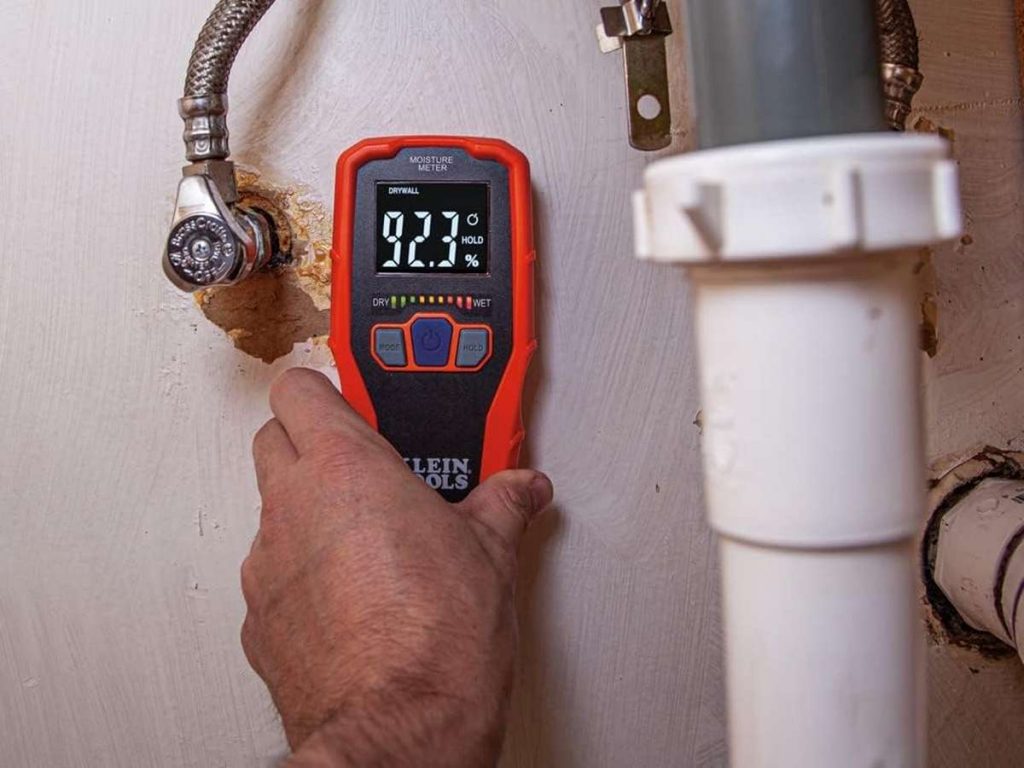
Accurate diagnosis is the foundation of effective damp proofing in historic properties across Dublin. Misdiagnosing condensation or penetrating rain as rising damp often leads to inappropriate, destructive treatments. Our specialist damp surveys utilize non-invasive moisture meters, thermal cameras, and salt analysis to trace the exact path of water ingress. We assess external ground levels, rainwater pipes, subfloor air vents, and historic alterations to deliver an accurate appraisal of your Georgian townhouse’s moisture dynamics before proposing remediation.
Every Georgian property presents unique structural considerations shaped by past modifications and urban site conditions. Our detailed survey reports outline targeted, minimally invasive solutions that prioritize breathability and heritage conservation principles. By identifying the true root cause of dampness—whether high paving, leaking gutters, or degraded slate courses—we save Dublin homeowners from costly, unsuitable interventions, ensuring all work complies with best heritage preservation standards.