
How Much Does Damp Proofing Cost in Dublin?
Dublin Damp Proofing Costs
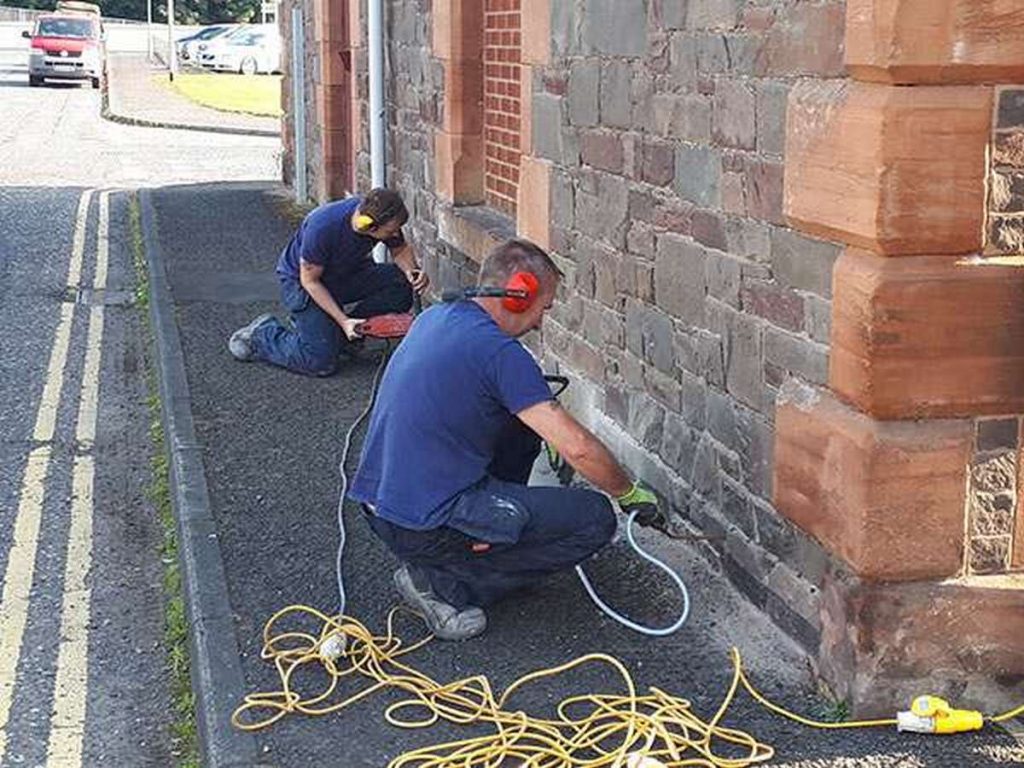
For homeowners comparing damp proofing prices, it is worth looking beyond the headline figure. Two quotes can appear very different because one contractor may include plaster removal, replastering, preparation and finishing while another prices only the damp-proofing treatment itself. A written quotation should make the scope of work clear so you can compare like with like. Costs may include:
- Inspection and diagnosis of the damp.
- Damp-proof course treatment where appropriate.
- Removal of damaged or contaminated plaster.
- Salt-resistant or suitable replastering.
- Repairs to external sources of moisture.
- Preparation and associated finishing work.
The condition of the wall can have a significant effect on the final price. Access, wall length, number of affected rooms and the amount of damaged material requiring removal can also influence the overall cost. For this reason, Damp Proofing Dublin recommends treating published figures as a starting point rather than promising an exact price before the property has been assessed.
Dublin Rising Damp Pricing
Rising damp is one of the problems most commonly associated with damp proofing costs because treatment can involve more than simply installing a new damp-proof barrier. Where rising damp has been properly identified, remedial work may involve creating or restoring a damp-proof course, removing affected plaster and subsequently replastering the wall using appropriate materials. Irish cost guides currently place many standard rising-damp projects somewhere around €1,000–€3,500, with larger properties and extensive plaster replacement potentially exceeding this range. The actual cost for a Dublin property depends on how much wall is affected and what condition the existing construction is in. An older property may also require more careful consideration because previous alterations, raised external ground levels or incompatible finishes can affect moisture movement. A professional assessment should therefore establish whether rising damp is genuinely present before you commit to treatment.
Replastering is an important part of the cost that homeowners sometimes overlook. When moisture has carried salts into plaster, simply allowing the wall to dry may not restore the damaged surface. Contaminated or deteriorated plaster may need to be removed and replaced as part of the remedial process. The final price can therefore depend on factors such as:
- Length and height of affected walls.
- Number of rooms requiring treatment.
- Condition of existing plaster.
- Amount of salt contamination.
- Accessibility around the affected areas.
- Whether external ground levels need attention.
It is also important to investigate possible causes that can imitate rising damp. Blocked drainage, leaking downpipes, defective gutters, raised ground levels and condensation can all contribute to damp symptoms. Paying for a rising-damp treatment when the real problem lies elsewhere can be an unnecessary expense. Damp Proofing Dublin can help determine whether remedial damp proofing is appropriate before you budget for the work.
Dublin Penetrating Damp Costs
Penetrating damp can have a very different cost profile because the treatment normally focuses on stopping water entering from outside. A leaking gutter or damaged section of pointing might require a relatively modest repair, while extensive roof defects, damaged render or complicated external masonry work can increase the cost considerably. Current Irish guides suggest minor penetrating-damp repairs may start around €500, while more extensive work can reach €4,000 or more depending on the nature of the defect. These are broad guide figures rather than fixed Dublin prices. The important point is that penetrating damp should not automatically be treated with a damp-proof course. If rainwater is entering through a defective external surface, repairing that source is normally more relevant than injecting a chemical barrier into the wall. Identifying the entry point can therefore save homeowners from paying for treatment that does not address their actual problem.
The cost of penetrating damp treatment depends largely on what has failed and how accessible the repair is. For example, repairing a small gutter defect is very different from replacing damaged render across a large elevation. Other potential areas requiring attention include roof coverings, chimney details, flashing, pointing, window seals and downpipes. A sensible quotation should identify the suspected source and explain what work is required to prevent further water entry. It should also distinguish external repairs from any internal restoration that may be necessary afterwards. Once moisture has entered a wall, internal plaster or decoration can be damaged even after the external defect has been repaired. Damp Proofing Dublin can assess the visible symptoms alongside the external condition of the property, helping you understand whether the budget should be directed towards damp proofing, building repairs or a combination of both.
Dublin Damp Cost Factors
The size of the property is only one factor affecting damp proofing costs in Dublin. The extent and location of the damp can be equally important. Treating one short section of wall is obviously different from treating several rooms or an entire house. Access can also influence the cost, particularly when external walls, upper levels, roofs or restricted areas need to be inspected or repaired. The construction of the building matters too. Older Dublin properties may contain solid masonry, traditional finishes or previous alterations that require a different approach from a modern property. If damaged plaster has absorbed salts or moisture, additional preparation and reinstatement may be necessary. Similarly, if the original cause involves external ground levels, drainage or defective building details, those issues need to be addressed rather than simply treating the internal symptoms. A good quotation should therefore reflect the actual work required rather than applying a generic price based solely on the size of the property.
Before accepting a quote, ask what is included and what could potentially be charged separately. This is particularly important where a quotation appears considerably cheaper than others. A lower initial figure may not include plaster removal, waste disposal, replastering, external repairs or final decoration. Useful questions include:
- Does the price include the initial inspection?
- Which damp treatment is being recommended?
- Is damaged plaster included?
- Are external repairs included or separate?
- Does the quotation include VAT?
- What guarantee or aftercare is provided?
Having these points confirmed in writing makes it easier to compare quotations fairly. It also gives you a clearer idea of the total project cost rather than focusing on the price of one individual treatment. Damp Proofing Dublin can explain which elements of the proposed work relate directly to the identified damp problem and which are additional repairs or reinstatement.
Request a Free Quote
Dublin Damp Survey Saves Money
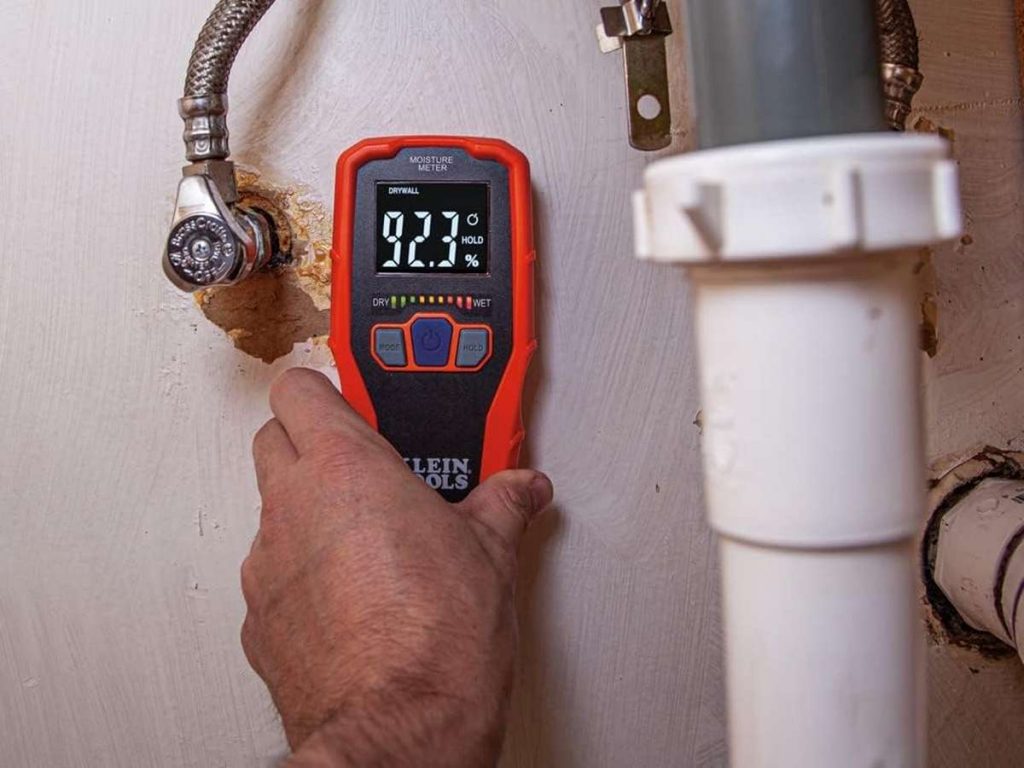
It may seem counterintuitive to spend money on an inspection when you are already concerned about the cost of repairs, but accurate diagnosis can prevent unnecessary work. Damp symptoms are not always caused by the problem they initially appear to indicate. Rising damp, penetrating damp and condensation can produce overlapping signs, while plumbing leaks and drainage defects can also create damp patches. Current guidance on Irish damp costs emphasises that diagnosis should come before treatment because the appropriate remedy depends on the actual source. If an expensive damp-proofing treatment is installed when the moisture is actually entering through a leaking gutter, the original problem remains. You may then face the cost of the correct repair as well as the treatment you did not need. A proper inspection therefore has value beyond producing a price. It helps establish what needs to be fixed and gives you a more realistic basis for budgeting the work.
When comparing damp specialists in Dublin, look for an explanation of the diagnosis rather than simply a recommendation for a particular product. A useful assessment should consider where the damp appears, the building’s construction, external conditions and any obvious sources of water ingress. It should also distinguish between necessary remedial work and optional improvements. This approach helps homeowners make a more informed decision about spending. If the inspection finds that a small external repair is enough, you should not need to budget for an extensive damp-proofing project. Conversely, if genuine rising damp is identified, knowing the extent of affected walls and the likely plastering requirements gives you a much clearer idea of the total cost. Damp Proofing Dublin can use the inspection process to explain the likely cause and outline the appropriate treatment before work begins, helping you avoid paying for solutions that do not address the underlying issue.
Dublin Damp Proofing Quotes
Once the cause and extent of the damp have been established, obtaining a detailed written quotation is the best way to understand what your project is likely to cost. For larger damp-remediation projects, comparing at least two or three properly itemised quotations can be useful. However, the cheapest quote is not automatically the best value. A quote that excludes replastering, preparation or external repairs may initially look attractive but become considerably more expensive once additional work is required. Ask each contractor to explain what treatment they recommend and why. The quotation should ideally identify the affected areas, proposed treatment, preparation, materials, reinstatement and any exclusions. You should also clarify whether VAT is included and whether any guarantee applies to the treatment. Current Dublin cost guidance similarly recommends written, itemised quotes because damp projects can vary considerably according to the cause and extent of the problem.
Damp Proofing Dublin can help you approach the costing process with a focus on the actual condition of your property rather than an arbitrary price per house. The aim is to understand what is causing the moisture, determine the appropriate remedy and provide a clear explanation of the work involved. Depending on the diagnosis, that might mean a damp-proof course, external repairs, replastering, improved ventilation or another form of remedial work. There is no benefit in paying for treatment that does not address the source of the damp. Equally, delaying a genuine problem can allow damage to spread and potentially increase the eventual repair requirements. Getting the problem assessed and understanding the proposed scope gives you a much stronger basis for deciding when and how to proceed. The final cost should reflect the work your Dublin property actually needs, not simply a generic damp-proofing package.
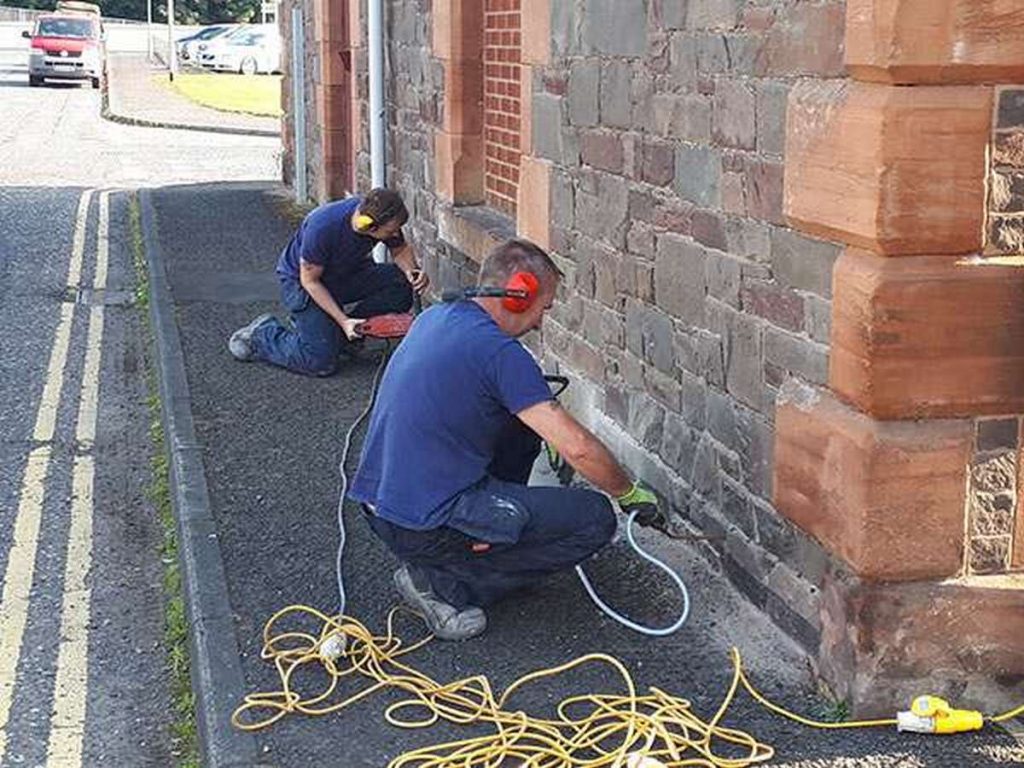
Why Choose Damp Proofing Dublin?
Choosing a damp specialist is an important part of controlling both the quality of the repair and the overall cost. Damp Proofing Dublin focuses on helping homeowners understand the cause of their damp before deciding what treatment is appropriate. This matters because not every damp problem requires the same solution, and unnecessary treatment can add significantly to your costs. A clear assessment, transparent explanation and properly defined scope of work can make it easier to plan your budget and compare options. For homeowners who want to avoid paying for unnecessary work, the emphasis should be on solving the moisture problem rather than simply treating the most visible symptom.
There are reasons why homeowners consider Damp Proofing Dublin for this type of work:
Local Dublin service
A local service can assess properties across Dublin and understand the variety of building types found throughout the area.
Cause-focused assessment
The priority is identifying the source of moisture before recommending a treatment.
Clear pricing
A detailed explanation of the proposed work helps you understand what you are paying for.
Appropriate treatment
The recommended solution can be matched to the type and extent of damp affecting your property.
Practical advice
You can receive guidance on necessary repairs, preparation and reinstatement rather than focusing solely on one damp treatment.
Long-term approach
Addressing the underlying source of moisture helps reduce the likelihood of recurring damp and further repair costs.
The most useful damp-proofing quote is one that gives you confidence about both the price and the reason behind the work. Damp Proofing Dublin aims to make that process straightforward by helping homeowners understand their options before committing to remedial work. Whether you have noticed a small damp patch or are dealing with a more extensive problem, an accurate assessment is the best starting point. Costs can then be based on the actual requirements of the property rather than guesswork, giving you a clearer idea of what needs to be done and how much you should budget.
Pricing figures above are indicative 2026 Irish/Dublin market ranges, not a quotation from Damp Proofing Dublin; actual costs should be confirmed following assessment of the individual property.