
Internal Insulation & Breathable Wall Systems Dublin
Breathable Insulation Dublin Homes
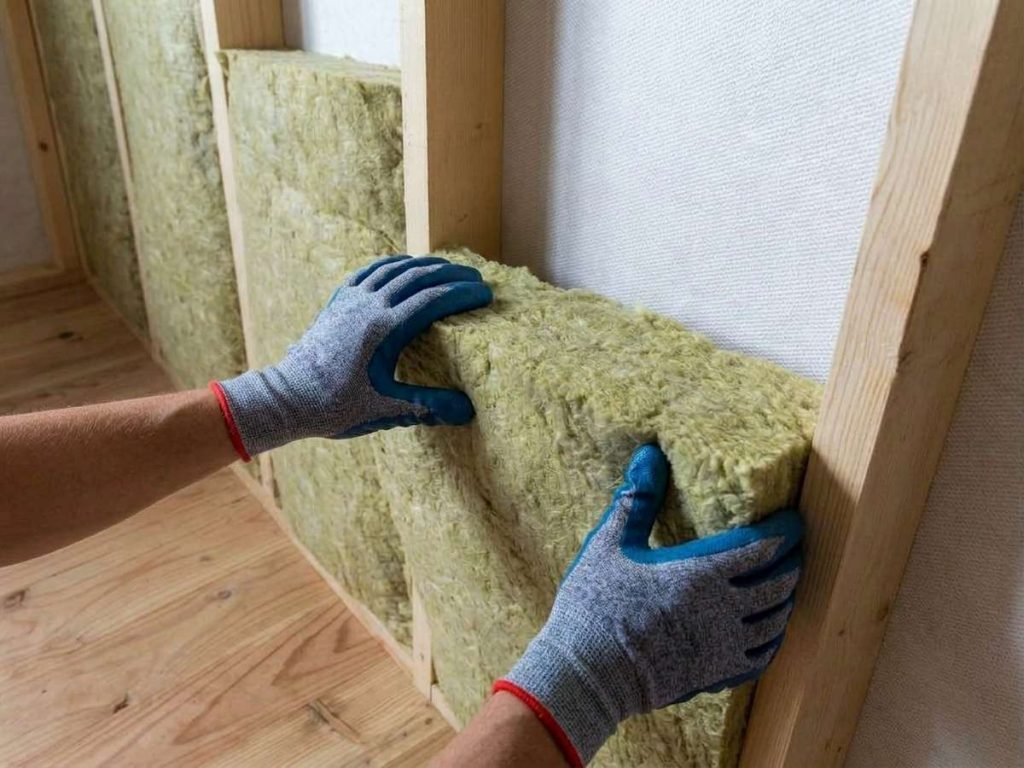
Assessing Dublin Wall Construction
Before any internal insulation system is installed, the existing wall construction should be properly assessed. Older Dublin houses can contain solid brick walls, stonework, mixed masonry and areas altered during previous renovations. The internal surface may include lime plaster, gypsum repairs, cement-based coatings, paint layers or other finishes that affect how the wall responds to moisture. The apparent condition of the wall may also differ from what is happening within the masonry. Damp staining, salt deposits, mould, peeling paint and cold surfaces can all provide indications that require investigation before insulation is installed. External conditions also matter. Defective gutters, downpipes, pointing, roof details and exposed masonry can introduce moisture into a solid wall. If these sources remain unresolved, installing insulation may interfere with drying and make an existing problem harder to manage. Damp Proofing Dublin considers these factors before recommending a wall system, helping ensure that thermal improvements are based on the actual construction rather than a standard insulation specification.
Moisture assessment is particularly important where traditional masonry has been altered with modern materials. Solid walls can naturally take in and release limited amounts of moisture, while dense cement pointing, waterproof coatings and impermeable internal finishes can restrict that process. Internal insulation can change the wall’s temperature profile, which may also change its drying characteristics. The objective is therefore to understand the wall’s existing moisture movement before deciding how it should be upgraded. This includes considering whether moisture is coming from rain penetration, ground-related damp, plumbing defects or internal condensation. Each source requires a different response, and insulation should not be treated as a substitute for damp control. Once the wall condition is understood, the insulation and plaster system can be selected with greater confidence. For older Dublin properties, this preparation is an important part of protecting the masonry while achieving a meaningful improvement in internal thermal performance.
Managing Moisture In Dublin Masonry
Breathability is especially relevant to older solid-wall properties because traditional masonry was not designed around modern impermeable construction. Lime mortar and lime plaster can accommodate and release moisture, allowing walls to dry gradually under suitable conditions. A breathable wall system aims to respect this characteristic while still improving thermal performance internally. It does not mean that every wall should remain damp or that moisture problems should be accepted as normal. Active water ingress, rising damp, plumbing leaks or defective rainwater goods still require appropriate attention. Once those issues have been addressed, the internal insulation system can be considered in relation to the wall’s ability to manage residual moisture. Damp Proofing Dublin focuses on the relationship between insulation and damp control, particularly where older Dublin masonry has been repaired or coated with materials that behave differently from the original construction. The aim is to create a more thermally efficient internal wall without unnecessarily restricting the traditional movement and drying of moisture.
Moisture movement can become more complicated after internal insulation because the original masonry may become colder behind the new insulated layer. This does not automatically make internal insulation unsuitable, but it makes system selection and detailing important. Vapour movement, drying potential, insulation characteristics and the existing wall composition all need to be considered together. A breathable system can be appropriate where it is compatible with the construction and moisture conditions of the building. However, breathability should never be treated as a marketing label that removes the need for assessment. A wall with persistent water penetration cannot be made suitable simply by choosing a breathable plaster. The source of moisture needs to be understood first. For Dublin’s older housing stock, where solid masonry and traditional finishes are common, this distinction is particularly important. Good internal insulation design should support moisture management while delivering the thermal improvement expected from the upgrade.
Dublin Condensation And Thermal Bridging
Condensation risk should form part of any internal insulation assessment. When insulation is installed across an external wall, the internal surface generally becomes warmer, which can improve comfort and reduce surface condensation in the insulated areas. However, older Dublin properties often contain details that interrupt this improvement. Window reveals, chimney breasts, external corners, floor junctions, ceiling junctions and changes in wall construction can remain colder than the surrounding insulated surfaces. These areas can become thermal bridges where heat continues to escape and surface temperatures remain lower. If indoor humidity is high, condensation may develop in these locations even after the main wall has been insulated. A properly considered system therefore needs to look beyond the broad wall surface. Existing ventilation, room usage, heating patterns and moisture production can also influence the result. Internal insulation should help create a more consistent internal temperature while recognising that traditional buildings often contain complicated junctions that require careful detailing.
It is also important to establish whether existing damp symptoms are actually caused by condensation. Mould growth, staining and damp-looking surfaces can result from humid indoor air meeting cold surfaces, but they can also indicate penetrating moisture or other defects. Treating the visible symptom with insulation alone can leave the underlying problem unresolved. Before installation, vulnerable areas should be identified and the condition of the wall considered alongside the indoor environment. This is particularly useful in older Dublin homes with solid masonry, large window openings, chimney structures and limited ventilation. Once the cause of moisture is understood, insulation and plaster details can be planned to improve surface temperatures and reduce unnecessary cold spots. The result should not simply be a thicker insulated wall. The objective is a balanced thermal upgrade in which insulation, junction detailing, ventilation and moisture management work together to provide a more comfortable and stable internal environment.
Request a Free Quote
Plaster Systems For Dublin Walls
The plaster system forms an important part of a breathable internal wall assembly. Traditional Dublin properties may contain original lime plaster alongside later gypsum, cement-based repairs, modern paint layers or patched areas where previous damp problems have been treated. These materials do not all behave in the same way when exposed to moisture. Lime-based plaster can allow gradual moisture movement, whereas dense cementitious finishes may restrict drying in certain wall constructions. Salts can also remain within older plaster after prolonged moisture exposure, creating further problems for finishes if the wall is insulated without appropriate preparation. For this reason, the condition and type of existing plaster should be considered before installing an internal wall system. In some areas, sound existing material may be retained; elsewhere, unsuitable or damaged layers may need attention. The aim is to create a compatible build-up rather than simply installing insulation over whatever finish happens to be present.
Thermal performance also depends on how the plaster and insulation interact with the existing masonry. The final wall needs to provide improved resistance to heat loss while remaining suitable for the building’s moisture conditions. Junctions around windows, doors, chimney breasts and floors can require additional consideration because these areas often behave differently from the main wall. A well-designed plaster finish can help complete the insulated wall while supporting the intended moisture and thermal characteristics of the system. Damp Proofing Dublin considers these components together when approaching internal thermal upgrades in older properties. The focus is not solely on achieving a particular insulation thickness. The condition of the masonry, the existing plaster, moisture movement, surface temperatures and detailing all contribute to the performance of the finished wall. This building-specific approach helps avoid the problems that can arise when modern insulation materials are applied without considering the traditional construction underneath them.
Local Dublin Insulation & Thermal Upgrades
Damp Proofing Dublin provides internal insulation and thermal upgrade services locally for older properties throughout Dublin. The service is intended for buildings where improving wall performance needs to be considered alongside existing masonry, plaster and moisture conditions. Traditional solid-wall homes can benefit from internal insulation, particularly where external alterations are unsuitable or where the existing façade needs to remain unchanged. However, the correct solution depends on how the wall has been built, how it has been repaired and how it currently manages moisture. Assessing these factors allows insulation to be considered as part of a wider damp control and thermal improvement strategy. The service can address concerns such as cold external walls, uneven internal temperatures, condensation-prone areas and heat loss while taking the original construction into account. By treating insulation, plaster and moisture management as connected elements, the upgrade can be better suited to the realities of older Dublin housing rather than relying on a generic modern-wall specification.
The insulation and thermal upgrade service is available locally across Dublin for homeowners looking to improve comfort and energy performance while respecting traditional construction. Every older property can contain different combinations of brick, stone, lime mortar, plaster repairs and previous damp treatments, so the wall should be understood before the insulation system is selected. Breathability, moisture movement, condensation risk and thermal bridging all need to be considered alongside the expected improvement in heat retention. Damp Proofing Dublin can help assess these factors and plan an internal wall upgrade around the existing building conditions. If your Dublin property has solid masonry walls and you are considering internal insulation, it is worth addressing damp and moisture behaviour before installing a new wall system. Contact Damp Proofing Dublin to discuss internal insulation, breathable wall systems, damp control and thermal upgrades for your property.

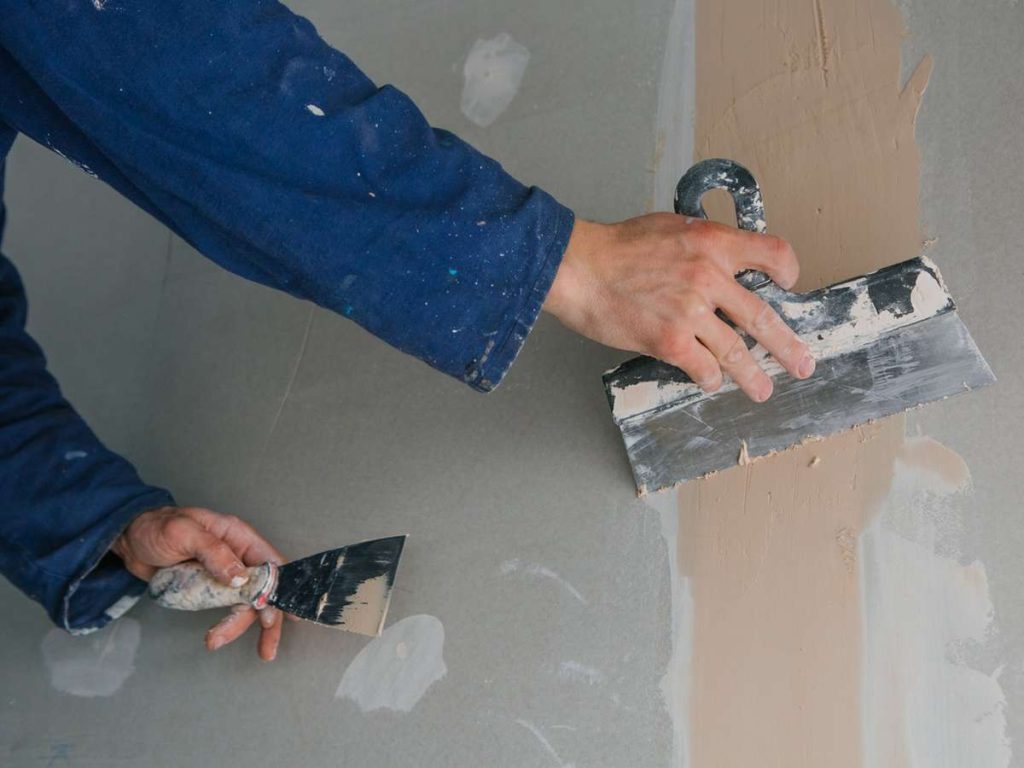
After we have damp proofed your property, we can begin to plaster it. This allows us to restore your home or business to its former self, now free of damp, mould, or anything else we found. Our skilled team work quickly and professionally, ensuring quality work every time.