
Internal Insulation & Damp Control Dublin
Improving Older Dublin Homes from the Inside
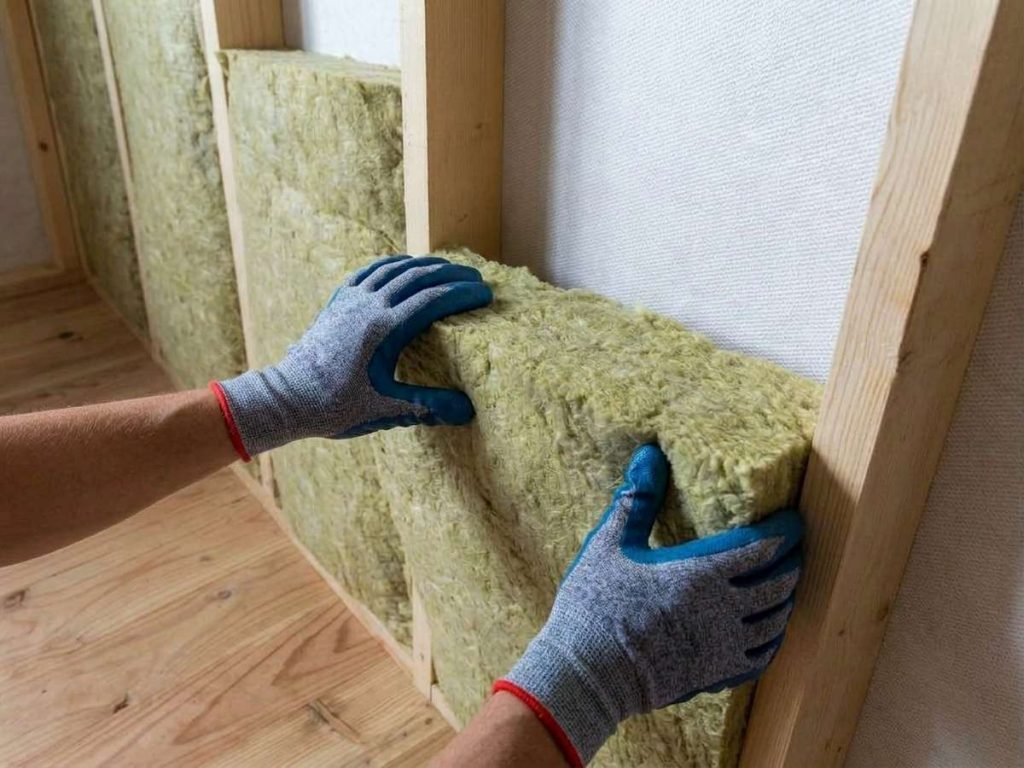
Understanding What Is Behind the Existing Wall
Before internal insulation is installed, the existing wall needs to be assessed carefully. Older Dublin properties can contain solid brickwork, stone masonry, rubble construction or walls that have been altered during previous renovations. Even properties on the same street can have different wall conditions because of extensions, repairs and changes made over many decades. Damp staining, salt deposits, peeling finishes, mould and cold surfaces can each have different causes, so they should not automatically be treated as evidence of one particular damp problem. Water may be entering from external defects, moisture may be rising from lower sections, or condensation may be occurring because of cold internal surfaces and high humidity. Understanding these differences matters before the wall is enclosed by insulation. The assessment should also consider existing plaster, paint, pointing and previous remedial treatments, because these materials can affect both drying and moisture movement through the masonry.
The condition of the wall also influences how an insulation system will perform after installation. Internal insulation reduces the amount of heat passing from the room into the original masonry, meaning the existing wall may become colder than it was previously. If moisture is already present, this change in temperature can affect how quickly the wall dries and how moisture behaves within the construction. This is why unresolved damp should not simply be hidden behind a new internal finish. Areas around windows, floors, ceilings, chimney breasts and junctions with other walls should also be considered because they can behave differently from the main wall surface. Establishing the construction and moisture condition beforehand allows the insulation build-up to be selected with greater care. For older Dublin houses, this assessment stage is an important part of the work because thermal improvements should support the building rather than create additional moisture-related difficulties.
Working With Traditional Masonry Rather Than Against It
Traditional solid masonry can behave very differently from modern cavity-wall construction. Brick and stone can absorb, store and release moisture, while mortar joints and surface finishes influence how that moisture moves through the wall. This makes breathability an important consideration when planning internal insulation for older Dublin properties. A wall does not necessarily need to be completely sealed to perform well, and introducing highly restrictive layers without considering the existing construction can alter its ability to manage moisture. The term breathable, however, should not be used to justify leaving an actively damp wall untreated. A breathable insulation approach still requires the underlying causes of excessive moisture to be understood and addressed. The complete build-up, from the masonry through to the insulation and plaster finish, should be considered as one system. This helps ensure the thermal upgrade is compatible with the way a traditional wall naturally interacts with its environment.
Moisture can enter older masonry from several directions, including rain exposure, defective gutters, damaged pointing, plumbing faults and ground-related moisture. Once inside the wall, it can move through porous materials and may become concentrated where modern coatings or impermeable finishes restrict drying. Internal insulation changes the thermal conditions within that wall, so moisture behaviour needs to be considered before work begins. External maintenance can therefore be relevant even when the insulation itself is being installed internally. The condition of brickwork, stonework, joints and rainwater goods can all contribute to the wall’s moisture balance. Internally, household humidity from cooking, washing and everyday occupation can also affect condensation. By considering both external moisture and internal humidity, the insulation system can be selected with a clearer understanding of the wall’s overall environment. This is particularly important in traditional Dublin properties where the masonry and finishes have often been modified over many years.
Reducing Cold Spots and Internal Condensation
Condensation is an important consideration when upgrading the internal thermal performance of an older solid-wall house. A wall that feels cold can encourage moisture from indoor air to condense on its surface, particularly during colder periods. Internal insulation can raise the temperature of the finished internal surface, potentially improving comfort and reducing surface condensation. However, the insulation needs to be continuous and carefully detailed for that benefit to be achieved consistently. Areas where the insulation becomes thinner or stops can remain colder than the surrounding wall. In older Dublin properties, these locations can include window reveals, corners, chimney breasts, floor junctions and ceiling junctions. The difference between the main insulated wall and these colder areas can become important when assessing condensation risk. The design therefore needs to consider the entire internal surface rather than concentrating only on the largest sections of masonry.
Household moisture is another part of the equation. Bathrooms, kitchens, drying clothes and normal occupancy can introduce substantial amounts of water vapour into the indoor environment. If humidity remains high and ventilation is inadequate, condensation can still occur even after a thermal upgrade. Internal insulation should therefore not be presented as a cure for every form of damp or condensation. Its role is to improve the thermal behaviour of the wall as part of a wider approach to moisture management. Careful treatment of junctions, appropriate insulation continuity and suitable internal finishes can all contribute to better performance. Where moisture is entering through the building fabric, that issue needs to be addressed separately. By distinguishing condensation from penetrating damp and other moisture sources, homeowners can avoid applying an insulation solution to a problem that requires a different remedy. This distinction is especially valuable in older Dublin homes with several generations of alterations and repairs.
Request a Free Quote
Choosing Compatible Plaster and Internal Finishes
The plaster and finishing layers are not simply cosmetic parts of an internal insulation system. In an older Dublin property, they can influence how the completed wall interacts with moisture and how effectively the insulation performs. Traditional houses may contain lime plaster, older renders, gypsum finishes, cement repairs or multiple layers of paint and coating. These materials can have very different properties. Some may allow moisture to move and dry more readily, while others can create a more restrictive surface. Existing plaster should therefore be examined for its condition and suitability before it becomes part of a new insulated wall build-up. Loose, damaged or salt-affected material may require attention, while sound and compatible areas may be capable of being incorporated into the preparation. The choice of finishing system should follow the condition and construction of the wall rather than being selected independently. This is particularly important where the property contains traditional masonry that has previously been repaired using modern materials.
The finished plaster system also needs to complement the intended thermal performance. A well-insulated wall can still have weak areas if the system is poorly detailed around openings, corners or structural features. The thickness and arrangement of the insulation, plaster layers and associated materials all contribute to the final performance of the wall. In older homes, chimney breasts and irregular masonry can make a completely uniform installation difficult, so these areas should be considered individually. Window openings may also need attention because the surrounding reveals can remain colder than the main wall if they are excluded from the upgrade. The purpose of the finished system is to create a warmer and more comfortable internal surface while remaining appropriate to the existing building. For Damp Proofing Dublin, this means considering the insulation, plaster and masonry together. The aim is a durable internal thermal improvement that respects the character and moisture behaviour of the older property.
Local Insulation and Thermal Upgrades Across Dublin
Damp Proofing Dublin provides internal insulation and thermal upgrade services locally for homeowners dealing with older and traditional properties throughout Dublin. The service is particularly relevant where solid masonry walls, limited external alteration options or the character of an older property make internal improvement more appropriate. Each building can have its own combination of brickwork, stone, plaster, previous repairs and moisture conditions, so the insulation approach should reflect the property rather than follow a standard specification. Damp control remains an important part of that process. Before the thermal upgrade is completed, the existing wall condition, moisture sources, condensation risks and compatibility of the proposed materials can all be considered. This helps connect the insulation work with the wider performance of the building and reduces the likelihood of treating symptoms while leaving underlying moisture problems unresolved.
For Dublin homeowners, improving thermal comfort does not have to mean ignoring the way a traditional building was constructed. Internal insulation can be designed around solid masonry while considering breathability, moisture movement, plaster compatibility and the areas most vulnerable to cold bridging and condensation. The purpose is to create a more thermally efficient internal environment while maintaining appropriate control of moisture within the building fabric. Whether the property is an older terraced house, traditional masonry home or another solid-wall Dublin property, the requirements can differ according to its construction and condition. Damp Proofing Dublin provides insulation and thermal upgrade services locally, with an approach that recognises the close relationship between damp control and thermal improvement. This allows homeowners to address colder walls and heat loss while giving proper consideration to the traditional materials and moisture behaviour of older Dublin buildings.

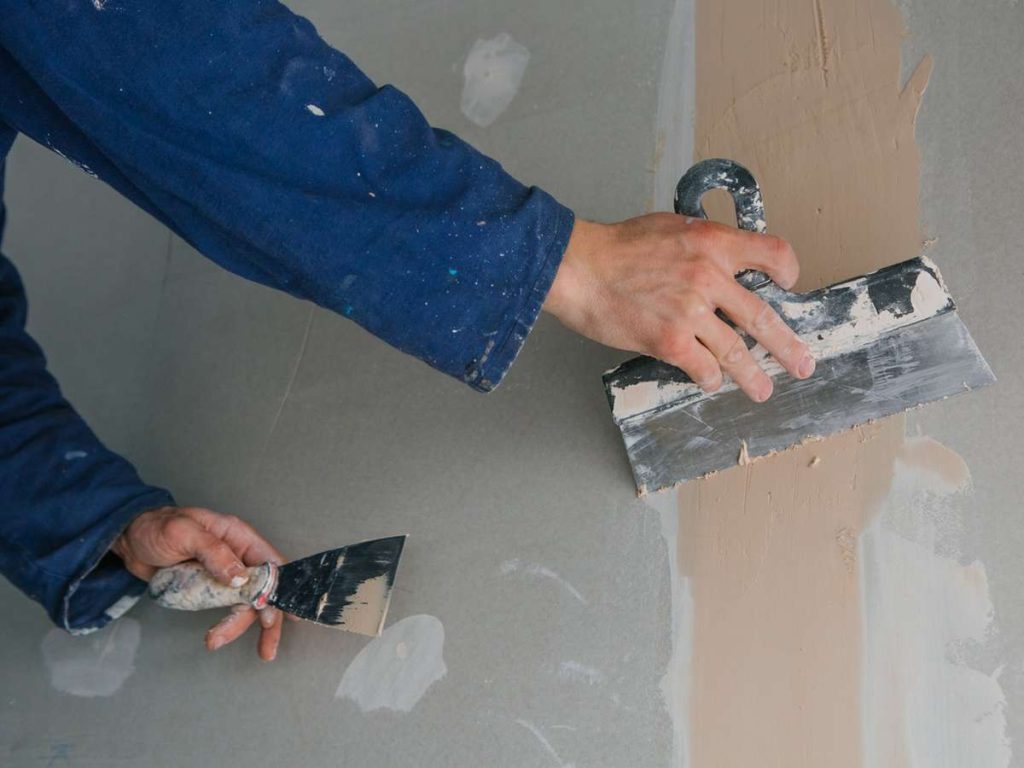
After we have damp proofed your property, we can begin to plaster it. This allows us to restore your home or business to its former self, now free of damp, mould, or anything else we found. Our skilled team work quickly and professionally, ensuring quality work every time.