
Internal Wall Insulation for Georgian Houses Dublin
Georgian Wall Insulation in Dublin
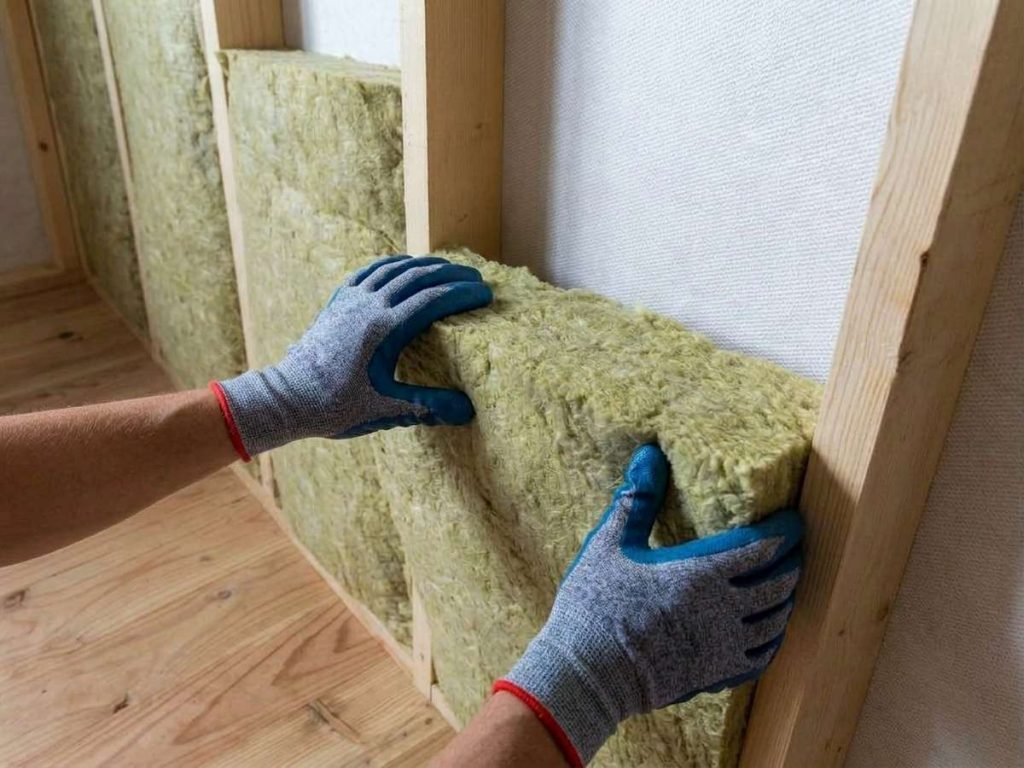
Assessing Dublin Masonry First
Before internal insulation is installed, the existing wall construction should be examined carefully. Georgian properties can contain solid brickwork, stone sections, mixed masonry, later alterations and repairs carried out at different periods. Walls may also have several layers of plaster or render, including lime-based finishes alongside later gypsum or cement repairs. Each layer can influence how moisture enters, moves through and leaves the wall. At Damp Proofing Dublin, assessing the wall helps identify whether dampness is caused by rain penetration, ground moisture, plumbing problems, condensation or restricted drying. External factors such as gutters, downpipes, pointing, roof junctions and defective masonry can also contribute to moisture entering the building. Insulation should not be used to conceal an unresolved damp problem. If the masonry is already carrying excess moisture, adding an internal lining without understanding the cause can restrict drying and create additional problems. Proper assessment therefore forms an important part of preparing a Georgian house for internal thermal improvement.
Moisture assessment is particularly important in older Dublin houses because traditional masonry often relies on gradual evaporation and drying. A solid wall may absorb small amounts of moisture during periods of rain and subsequently release it as conditions become drier. Modern materials introduced during previous renovations can interfere with this process. Dense cement pointing, waterproof coatings, impervious renders and unsuitable plaster can reduce the wall’s ability to release moisture. Internal insulation changes the temperature of the masonry and can alter the drying pattern further. For this reason, the condition of the existing wall should be considered before deciding on insulation thickness, vapour control arrangements or plaster finishes. Signs such as staining, mould growth, salt deposits, peeling finishes or persistent cold patches should be investigated rather than simply covered. Understanding how the Georgian wall currently manages moisture makes it easier to plan an internal insulation upgrade that supports the building rather than working against its traditional construction.
Moisture Movement In Georgian Dublin Walls
Traditional Georgian masonry needs to be considered in terms of breathability and moisture movement. In older solid-wall construction, materials such as lime mortar and lime plaster can accommodate small amounts of moisture and allow gradual drying. This does not mean that a damp wall should simply be left untreated or that every traditional wall must remain completely open to moisture. Instead, it means that the materials used during upgrading should be compatible with the way the existing building manages moisture. Internal wall insulation can influence the temperature and drying behaviour of the original masonry, particularly where the insulation is relatively vapour resistant or where moisture is already present. The correct approach depends on the construction, exposure, existing finishes and source of dampness. At Damp Proofing Dublin, internal insulation is considered alongside damp control rather than as a separate improvement. The objective is to improve thermal performance while reducing the risk of trapping moisture within a wall that was never designed to function like a modern cavity wall.
Dublin’s weather conditions can also expose weaknesses in older masonry. Wind-driven rain, damaged pointing, leaking rainwater goods and porous sections of brickwork can introduce moisture into solid walls. If these issues are combined with dense internal finishes, moisture may have fewer opportunities to dry. Once internal insulation is added, the original masonry may experience a different temperature profile, making the relationship between insulation and moisture particularly important. Breathability therefore needs to be considered as part of the complete wall system, including insulation, membranes, plaster and existing masonry. A compatible solution can help manage moisture movement while providing meaningful thermal improvement. The intention is not to preserve every existing material regardless of condition, but to understand which parts of the wall are helping or restricting moisture management. For Georgian houses, this building-specific approach is more appropriate than applying a generic internal insulation specification designed for modern construction.
Dublin Condensation And Cold Spots
Condensation is another important consideration when upgrading the internal thermal performance of a Georgian house. Internal insulation can make the room-side surface of an external wall warmer, which can improve comfort and reduce the likelihood of surface condensation across insulated areas. However, heat loss does not occur evenly across every part of an older property. Window reveals, chimney breasts, external corners, floor junctions, ceiling junctions and areas around structural openings can remain colder than the main insulated wall. These locations may become potential condensation points if indoor humidity remains high. Georgian houses can also have tall rooms, large sash windows and older ventilation arrangements, meaning that moisture generated through cooking, bathing and normal occupation needs to be considered. Internal insulation should therefore be designed around the complete room rather than viewed simply as a layer placed across the largest wall surfaces. Identifying vulnerable areas helps reduce thermal bridging and supports a more consistent internal temperature after the upgrade.
It is also important to distinguish condensation from other forms of dampness before insulation work begins. Black mould, surface staining or damp patches can sometimes be associated with condensation, but similar symptoms may have other causes. Penetrating moisture from defective external masonry, rainwater goods or damaged pointing requires a different response, while moisture rising from ground level needs separate assessment. Applying insulation over an unresolved source can make diagnosis and drying more difficult later. Internal humidity also remains relevant after installation because insulation cannot remove moisture generated inside the property. Ventilation, heating patterns and room usage all influence condensation risk. For a Georgian house, the thermal upgrade should therefore consider both the condition of the wall and the internal environment. Addressing cold areas, moisture sources and ventilation requirements together provides a more practical route towards warmer rooms without creating unnecessary moisture problems behind the new internal wall system.
Request a Free Quote
Plaster Systems And Dublin Georgian Houses
The existing plaster system can have a significant influence on internal wall insulation in a Georgian property. Traditional lime plaster behaves differently from gypsum or cement-based finishes, particularly when moisture is present within solid masonry. Over decades, Georgian houses may have accumulated several layers of repair, decoration and alteration, meaning that the visible surface does not always reveal the original wall construction. Dense cement-based repairs can restrict drying, while older lime finishes may contain salts following prolonged exposure to moisture. These conditions should be considered before new insulation and plaster finishes are installed. The insulation system needs to work with the wall rather than simply covering its existing defects. In some areas, old plaster may require careful preparation or replacement, while other sections may be retained where they remain sound. Understanding the existing plaster also helps determine how the finished wall will respond to changes in temperature and humidity. This is particularly important where internal insulation is being installed in rooms with chimney breasts, window reveals or other complex details.
Thermal performance depends on more than insulation thickness alone. The plaster, insulation, wall construction, junction details and moisture behaviour all contribute to how the upgraded wall performs. Poorly considered detailing can leave narrow cold strips around openings or junctions, reducing the benefit of insulation and creating localised condensation risks. Georgian properties often have features that make this especially relevant, including deep window reveals, chimney structures, high ceilings and connections between different sections of masonry. Internal wall insulation should account for these details wherever practical. The chosen plaster finish can also influence the final appearance and moisture behaviour of the room. A compatible system can provide a durable surface while supporting the intended thermal upgrade. At Damp Proofing Dublin, the emphasis is on treating the insulation, plaster and existing wall as connected parts of the same building system, rather than selecting insulation in isolation from the traditional construction surrounding it.
Local Dublin Insulation Upgrades for Georgian Houses
Damp Proofing Dublin provides internal wall insulation and thermal upgrade services locally for older properties throughout Dublin. Georgian homes require particular care because their traditional masonry, plaster systems and moisture behaviour can differ significantly from modern housing. Our approach considers the existing wall before insulation is introduced, helping identify damp conditions, moisture movement, cold areas and construction details that could affect the finished upgrade. This is especially relevant where owners want to improve comfort and energy performance without changing the external appearance of a period property. Internal insulation can provide a practical way to upgrade exposed walls from inside, but its success depends on appropriate preparation and compatible detailing. By considering damp control alongside thermal improvement, the work can be planned around the actual condition of the building rather than a generic specification. This approach is particularly valuable for Georgian houses where preserving traditional masonry behaviour and architectural character can be just as important as achieving better internal thermal performance.
The service is available locally across Dublin for homeowners looking to improve the warmth and thermal performance of older properties while taking existing damp and masonry conditions into account. Every building has its own combination of construction materials, previous repairs, moisture exposure and internal finishes, so the proposed insulation approach should reflect those characteristics. Whether the concern is cold external walls, condensation-prone areas, outdated plaster, heat loss or the need for a wider thermal upgrade, the existing wall should be assessed before work proceeds. Damp Proofing Dublin can provide insulation and thermal upgrade services with the specific requirements of traditional Dublin housing in mind. If you are considering internal wall insulation for a Georgian property, contact Damp Proofing Dublin to discuss the building, existing wall conditions and the most suitable approach. Get in touch today to enquire about internal wall insulation, damp control and thermal upgrades for your Dublin Georgian house.

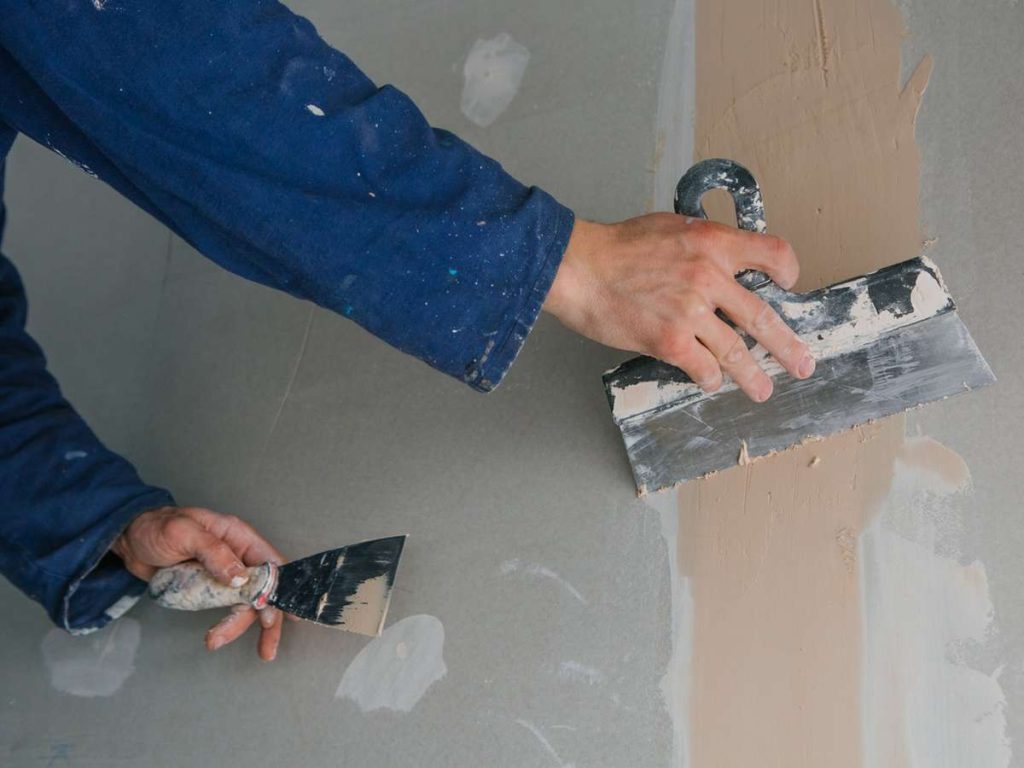
After we have damp proofed your property, we can begin to plaster it. This allows us to restore your home or business to its former self, now free of damp, mould, or anything else we found. Our skilled team work quickly and professionally, ensuring quality work every time.