
Internal Wall Insulation for Older Houses Dublin
Internal Insulation for Older Dublin Houses
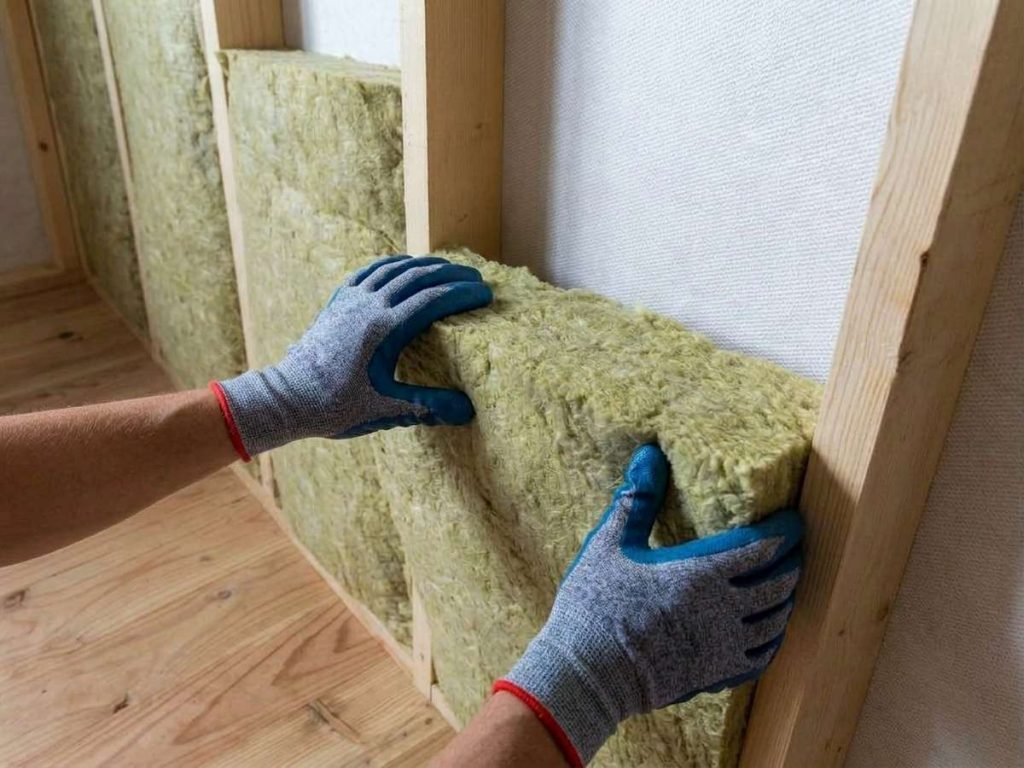
Assessing Solid Walls Before Any Insulation Is Installed
The existing wall construction needs to be understood before internal insulation is specified. Older Dublin properties can contain solid brick, stone, rubble-filled masonry or combinations of traditional materials resulting from extensions, alterations and previous repairs. The condition of the wall can also vary significantly from one elevation or room to another. Before insulation is fitted, it is important to identify defects such as penetrating damp, rising moisture, leaking gutters, defective pointing, damaged external finishes or internal condensation. Insulating over an unresolved moisture problem does not remove the underlying cause and may make the wall more difficult to inspect later. Assessment should therefore consider the wall itself as well as the surrounding building details. Previous plaster, paint and repair materials can also influence how moisture behaves. By establishing what is actually present, a suitable internal insulation approach can be considered instead of applying one standard specification to every older property.
Moisture assessment is particularly important because insulation changes the temperature profile of the wall. When a solid masonry wall is insulated internally, the existing masonry may become colder because less indoor heat reaches it. This can alter evaporation and moisture movement within the construction. If the wall already contains dampness, salts or trapped moisture, those conditions need to be addressed before the insulation system is installed. Attention should also be given to areas around windows, corners, junctions with floors and ceilings, chimney breasts and adjoining walls, where changes in temperature can create vulnerable points. Condensation should be distinguished from penetrating or rising damp because each requires a different response. A proper assessment helps establish whether moisture is entering, moving through or condensing within the wall system. This information is essential when selecting insulation, plaster layers and finishing materials that will perform reliably in an older Dublin home.
Breathable Insulation and Moisture Movement in Traditional Masonry
Traditional masonry should not automatically be treated like a modern sealed wall. Older brick and stone constructions can interact with moisture through their masonry, mortar joints and surface finishes. For this reason, breathability is an important consideration when planning internal wall insulation. A breathable approach allows appropriate moisture vapour movement through the wall and reduces the risk of creating an unnecessarily restrictive internal layer. This does not mean that a breathable wall should remain damp or that insulation can be installed over moisture problems. Instead, the complete wall build-up needs to be considered, including the masonry, pointing, existing plaster, insulation material and internal finish. Older Dublin properties may also have accumulated several generations of coatings and repairs, some of which can be less compatible with traditional construction. Understanding these layers helps determine whether they should remain, be repaired or be replaced as part of the thermal upgrade, rather than assuming that every existing surface is suitable to build over.
Moisture movement is also relevant during and after the insulation work. A traditional solid wall may absorb and release moisture depending on rainfall, internal humidity, temperature and the condition of its external surfaces. Internal insulation changes the heat reaching the masonry, so the wall can respond differently after the upgrade. The aim is to manage this change through a compatible system rather than simply creating the highest possible insulation thickness. External defects should be considered alongside internal work, because damaged pointing, leaking rainwater goods or porous masonry can introduce moisture independently of the insulation. Internally, excessive humidity from cooking, bathing or inadequate ventilation can increase condensation risk on colder surfaces. A properly designed upgrade therefore considers both the wall and the room environment. This balanced approach is particularly relevant to older Dublin houses, where the performance of traditional masonry depends on the interaction between construction, moisture, temperature and finishes.
Managing Condensation Risk After Internal Thermal Upgrades
Condensation deserves particular attention when insulating older solid-wall properties. Before insulation, internal heat can pass through the wall and help maintain a higher masonry temperature. Once insulation is introduced internally, more heat remains within the room while the original wall can become colder. If the insulation system and junction details are poorly considered, this change can contribute to condensation or cold spots. Risk areas may include window reveals, corners, ceiling junctions, floor junctions, chimney breasts and areas where insulation cannot be continuous. Internal humidity also plays an important role. Even a well-designed wall can experience condensation when moisture levels indoors are consistently high and ventilation is inadequate. For that reason, thermal upgrades should be considered as part of the wider moisture environment rather than as an isolated installation. At Damp Proofing Dublin, the existing conditions and likely condensation points need to be considered before selecting the insulation build-up and associated internal finishes.
Reducing condensation risk does not simply mean installing more insulation. The quality and continuity of the insulation layer, the treatment of junctions and the behaviour of the materials behind the finished surface all influence the result. Particular care may be required around openings and other areas where the internal temperature can differ from the main wall surface. The internal finish can also affect how the wall handles vapour and moisture. Where appropriate, a compatible plaster system can form an important part of the overall construction rather than being treated as a purely decorative final layer. Homeowners should also understand that insulation cannot compensate for persistent excessive indoor humidity, inadequate ventilation or unresolved water ingress. The objective is to create warmer internal surfaces while maintaining appropriate moisture management. In older Dublin houses, this careful balance is essential because improving thermal performance without considering condensation behaviour can introduce problems that were not present, or not as significant, before the upgrade.
Request a Free Quote
Plaster Systems, Wall Finishes and Thermal Performance
The plaster system is an important part of an internal insulation upgrade because it sits directly within the finished wall build-up. Older Dublin houses may have lime-based plaster, cement-based repairs, gypsum finishes, painted surfaces or several different materials applied over time. These finishes do not all behave in the same way, particularly when moisture is present within traditional masonry. An insulation system therefore needs to be considered alongside the plaster and finish rather than selecting insulation independently. Where existing plaster is loose, damaged, salt-contaminated or otherwise unsuitable, preparation may be required before the new system is applied. In other situations, compatible existing finishes may be retained. The choice depends on the actual condition of the property. The finished wall should provide the required thermal improvement while remaining appropriate for the underlying masonry. This is especially important in period homes where inappropriate modern finishes can restrict drying and contribute to recurring damp-related deterioration.
Thermal performance also depends on more than the insulation material’s nominal rating. The condition of the existing wall, the continuity of the insulation, junction details and the overall thickness of the build-up all influence how the finished wall performs. Older houses can contain irregular masonry, recessed openings and structural features that make achieving a completely uniform layer more challenging. Chimney breasts and adjoining walls can require particular attention because they can create areas with different thermal behaviour. Window reveals can similarly become colder if they are not considered within the design. A well-planned internal upgrade aims to improve the wall’s overall thermal performance while limiting unnecessary cold bridges and maintaining an appropriate internal finish. For Dublin homeowners, the practical benefit should be a more comfortable internal environment and reduced heat loss, achieved through a system that has been selected with the property’s traditional construction and existing wall condition in mind.
Local Internal Insulation and Thermal Upgrades in Dublin
Damp Proofing Dublin provides internal wall insulation and thermal upgrade services locally for older properties throughout Dublin. Our approach is centred on the relationship between insulation, traditional masonry and damp control rather than treating thermal improvement as a standalone installation. Older houses can vary considerably in their construction, condition and previous repair history, so the appropriate solution depends on what is found within the individual property. Solid brick and stone walls, existing plaster systems, moisture movement, condensation risk and vulnerable junctions can all influence how an internal insulation system should be approached. By considering these factors together, the aim is to provide a practical thermal upgrade that is suitable for the building rather than applying a generic modern wall specification to an older home.
For homeowners in Dublin considering internal insulation, addressing the existing condition of the property first can help prevent thermal improvements from creating new moisture-related concerns. Damp issues, defective finishes and areas of poor thermal performance should be identified before the insulation build-up is finalised. Our local service is intended for properties where maintaining the character and external appearance of the building is important, while improving internal comfort and thermal efficiency. Whether the property is a traditional Dublin terrace, an older solid-wall house or another form of masonry construction, the insulation strategy can be considered in relation to the existing building rather than separately from it. Damp Proofing Dublin provides insulation and thermal upgrade services locally, helping homeowners approach older-property improvements with appropriate attention to masonry condition, moisture management, breathability and long-term wall performance.

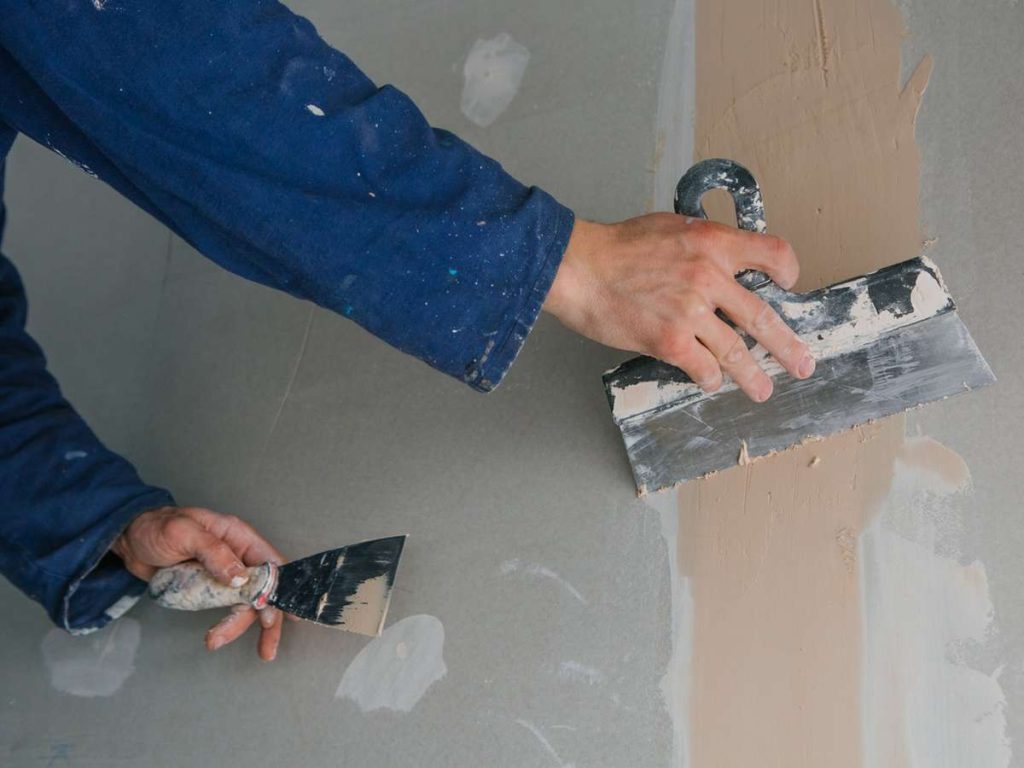
After we have damp proofed your property, we can begin to plaster it. This allows us to restore your home or business to its former self, now free of damp, mould, or anything else we found. Our skilled team work quickly and professionally, ensuring quality work every time.