Listed Building Damp Proofing Dublin
Listed Building Damp Proofing Experts in Dublin
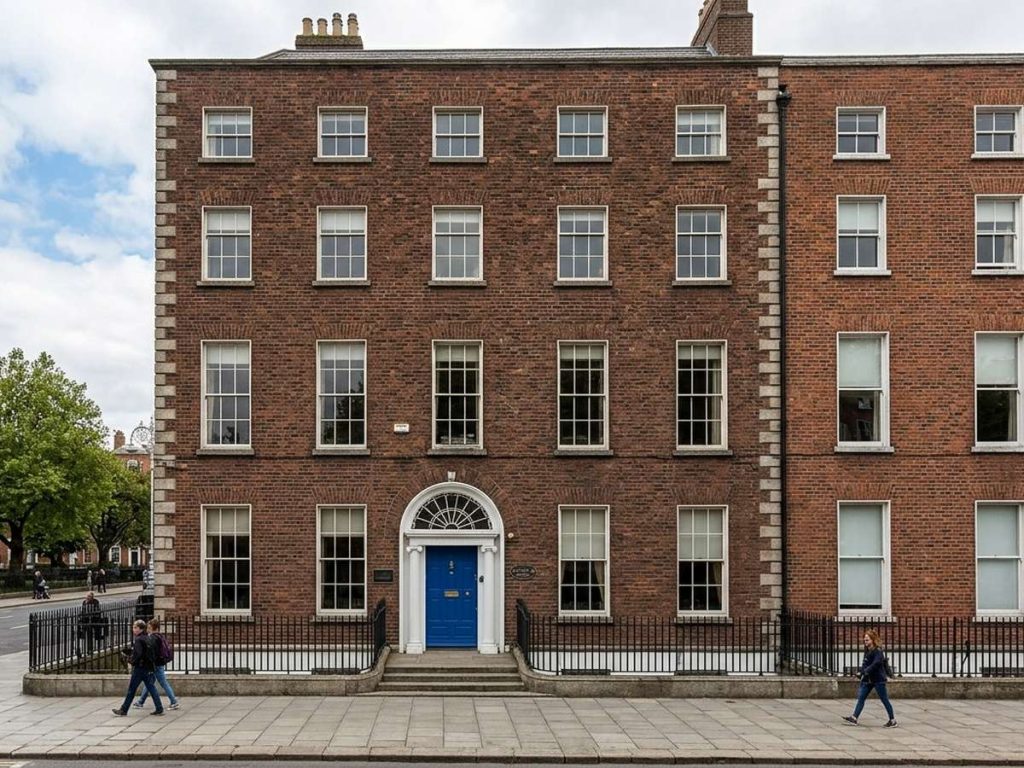
Managing moisture in protected Dublin homes demands a precise understanding of traditional solid-masonry construction. Historic buildings rely on continuous vapor permeability, where walls absorb ambient moisture during wet weather and naturally evaporate it back into the atmosphere when conditions dry. When previous improper repairs—such as impermeable cement renders or synthetic tanking slurs—interfere with this balance, severe rot, salt bloom, and masonry decay occur. Our skilled conservation team carefully removes incompatible materials, repairs damaged structural elements, and restores the natural breathability of your building envelope, ensuring lasting protection and full regulatory compliance.
Damp Proof Course Dublin Methods
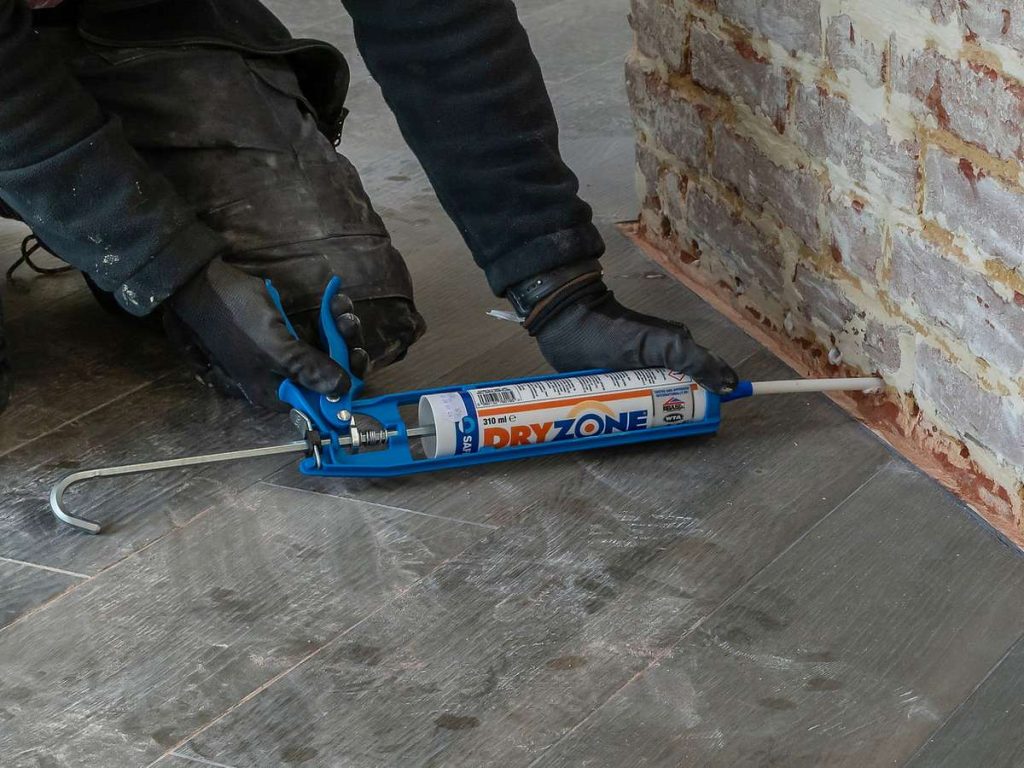
Installing or upgrading a damp proof course (DPC) in listed Dublin properties requires non-destructive techniques that protect fragile historical masonry. Traditional high-pressure chemical injections often damage original soft brick faces, granite foundations, and lime mortar joints. Our damp proofing Dublin team uses advanced low-pressure silicone micro-emulsions injected directly into mortar lines, or non-invasive electro-osmotic DPC systems that use low-voltage electric currents to prevent capillary water movement up the wall. Alternatively, physical DPC retrofits utilizing natural slate or copper flashings are installed in specific structural scenarios, providing a continuous capillary barrier without compromising the aesthetic or structural integrity of your listed building.
Selecting the correct DPC method for a listed residence depends on structural layout, mortar composition, and local authority heritage conditions:
- Electro-Osmotic DPC Systems: Delivers chemical-free protection using subtle titanium wire loops, ideal for delicate historic brickwork.
- Low-Pressure Mortar Injection: Utilizes breathable micro-emulsion fluids introduced exclusively into soft lime mortar joints.
- Physical Slate Insertion: Carefully slips physical slate barriers into raked bed joints to maintain traditional construction methods.
These carefully selected DPC solutions stop rising moisture effectively while fully satisfying conservation constraints and preserving the authentic historic fabric of your Dublin property.
Advanced Basement Tanking Dublin Systems
Subterranean vaults, cellars, and basement levels in listed Dublin townhouses are highly vulnerable to lateral damp, high water tables, and hydrostatic pressure. Traditional “tanking”—which attempts to seal basement walls with dense, impermeable cement renders—is unsuited for listed buildings because it traps moisture within the historic masonry, accelerating structural decay. Our basement tanking Dublin approach relies on Cavity Drain Membrane (CDM) systems. These flexible, high-density studded membranes are fixed lightly to interior walls using minimal non-corrosive fasteners, creating a drainage gap that directs incoming groundwater safely into subterranean perimeter channels and automated sump pump systems.
This specialized membrane technology offers significant advantages for managing subterranean moisture in listed structures without causing permanent modification:
- Reversible Installation: Minimal fixing points ensure underlying historic brickwork and stone remains pristine and accessible for future inspections.
- Hydrostatic Pressure Relief: Air-gap drainage allows water to flow freely to channels, eliminating build-up behind masonry.
- Dry Internal Surfaces: Provides a completely isolated, vapor-proof surface ready for breathable plasterboard or traditional timber framing finishes.
This non-invasive methodology converts damp, unusable historic basements into warm, habitable living areas that meet modern building standards while complying strictly with Dublin heritage guidelines.
Breathable Plastering Solutions Across Dublin
Replacing salt-contaminated plasterwork in listed Dublin residences requires breathable materials engineered specifically for traditional solid masonry. Applying modern gypsum plasters or cement-based renders over damp walls creates a rigid seal that forces moisture higher up the building envelope, leading to severe timber decay and ruined decorative joinery. Our listed building damp proofing Dublin plastering specialists strip away non-breathable historical repairs, treat bare masonry with salt-inhibiting washes, and reapply traditional hydraulic lime plasters. These natural lime mortars allow moisture vapor to pass through freely, preventing salt crystallization and protecting internal wall surfaces from blistering or peeling.
Internal lime plastering is a skilled craft that balances historical authenticity with long-term moisture regulation for older properties. We carefully match original plaster profiles, hand-applying multi-coat scratch, float, and finish coats using natural lime, clean aggregate, and traditional goat hair reinforcers where necessary. Painted finishes are completed using microporous silicate or mineral paints that maintain full vapor permeability. This painstaking approach restores smooth, beautiful internal walls that resist mold growth naturally, absorb room humidity spikes, and work in total harmony with the moisture dynamics of your listed Dublin property.
Request a Free Quote
Sub-Floor Moisture Management in Dublin
Suspended timber floors in listed Dublin properties depend on continuous sub-floor ventilation to prevent timber rot, fungal decay, and woodworm infestation. Blocked air vents, raised exterior ground levels, and accumulated soil beneath floorboards restrict cross-ventilation, trapping damp air around floor joists and floorboards. Our damp proofing Dublin technicians restore blocked cast-iron air bricks, clear sub-floor voids of debris, and install subterranean passive air channels to re-establish optimal airflow. By keeping sub-floor relative humidity levels low, we safeguard original flooring timbers without requiring aggressive chemical timber treatments or invasive floor removal.
Where structural timbers have suffered past decay, we execute precise conservation repairs that prioritize the preservation of original wood. Damaged joist ends are carefully spliced with treated, seasoned timber and supported on isolated physical damp barriers to break moisture transfer from wet stone bearing walls. In ground-floor rooms with exposed soil beds, we apply breathable geotextile membranes and insulating lime-crete sub-bases to reduce ground-moisture evaporation. This comprehensive sub-floor strategy prevents timber collapse, enhances ground-floor thermal performance, and protects precious historic floorboards throughout your listed residence.
Diagnostic Damp Surveys Throughout Dublin
Accurate diagnostic analysis is the vital foundation of effective listed building damp proofing Dublin projects. Standard electrical pin meters can deliver misleading high readings on historic walls due to harmless background salts or heavy masonry density, frequently leading to unnecessary and destructive over-treatment. Our conservation surveyors employ advanced, non-destructive diagnostic tools—including high-resolution thermal imaging cameras, deep-probe resistance meters, carbide bomb moisture testing, and relative humidity monitoring—to map moisture pathways accurately. This meticulous diagnostic approach distinguishes genuine rising damp from condensation, rainwater ingress, or failing drainage, ensuring targeted, minimal interventions.
Following our detailed survey, we produce comprehensive, conservation-compliant diagnostic reports designed for presentation to Dublin planning authorities, heritage architects, and building control officers. Our clear documentation outlines exact moisture levels, identifies specific environmental causes, and details a phased, sympathetic remediation strategy tailored to your property’s listed status. We work closely with conservation officers and project architects to ensure every proposed damp-proofing measure complies with local planning declarations, delivering complete moisture control while safeguarding the historical integrity and long-term value of your listed building.