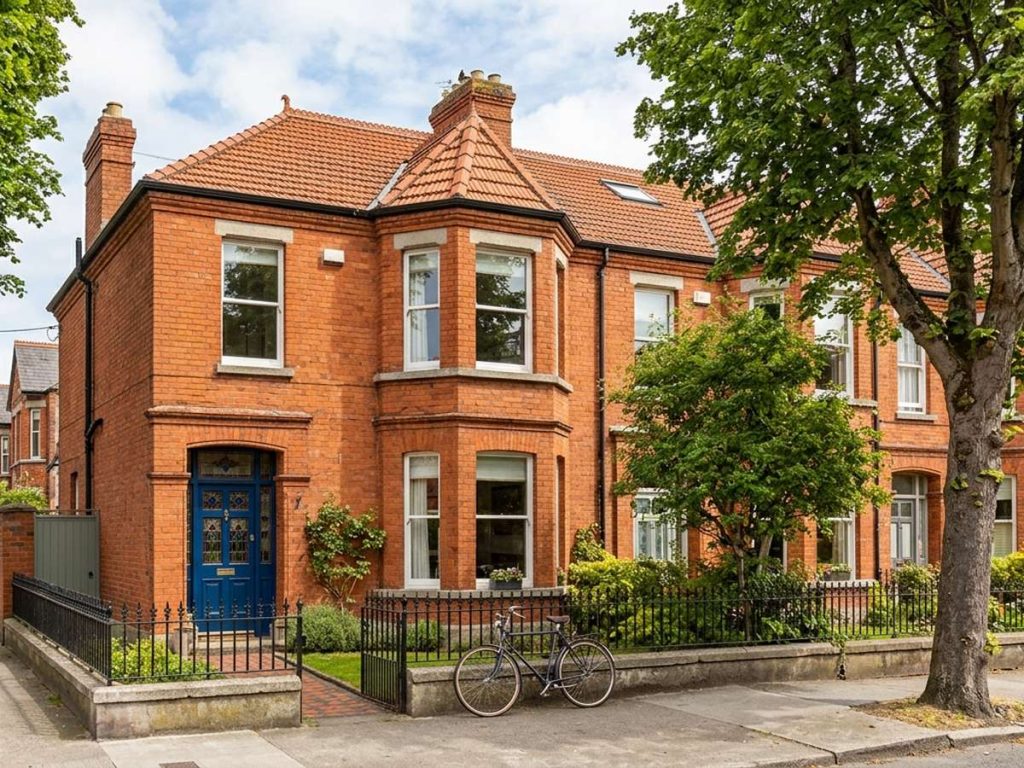
Protected Structure Damp Repairs Dublin
Protected Structure Damp Repairs Dublin Specialists
Traditional Damp Proof Course Dublin Methods
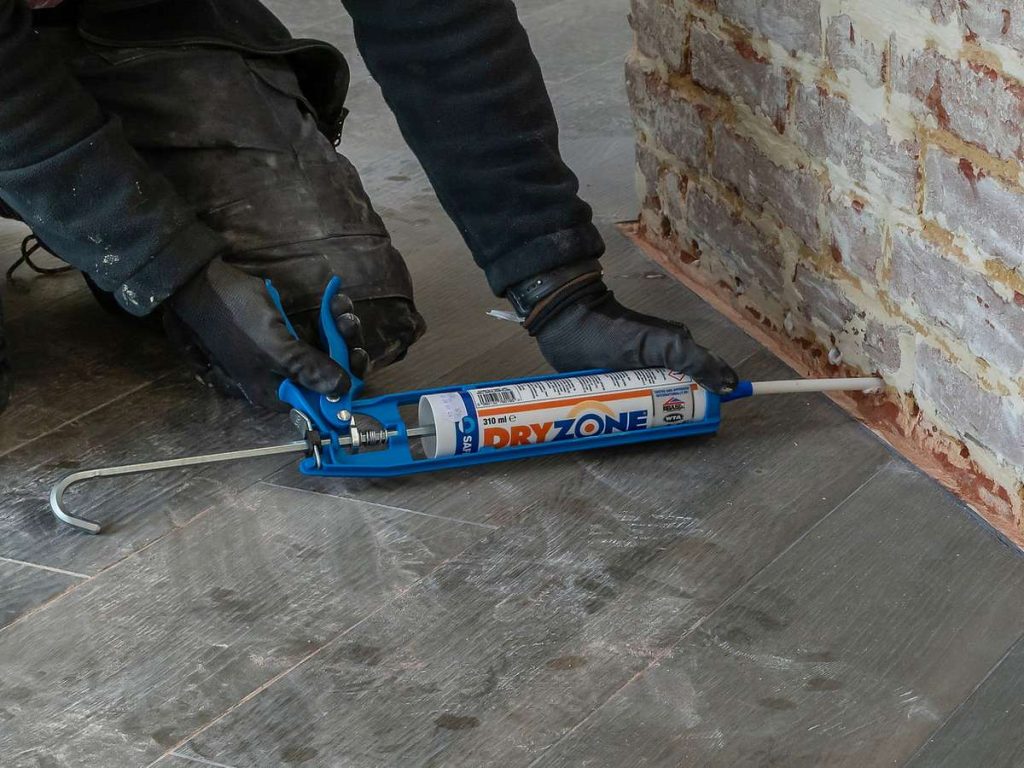
Installing a modern damp proof course (DPC) in protected Dublin structures requires careful evaluation to avoid physical or visual disruption to historic brickwork and stone foundations. Traditional chemical injection DPCs often fail in soft, porous period brick or dense granites, while physical DPC retrofits can cause structural trauma. Our damp proofing Dublin approach utilizes non-invasive physical membrane insertion where feasible, combined with breathable physical barrier technology and specialist retrofitted mortar channels. These methods create a reliable, continuous capillary break at ground level while respecting the original masonry joints, stopping rising damp without jeopardizing the physical stability or legal status of protected historical facades.
Proper DPC selection depends heavily on the specific construction era, masonry density, and structural layout of your heritage residence:
- Physical Slate DPC Restoration: Repairing or supplementing original damaged slate courses with compatible natural lead or copper flashing.
- Low-Pressure Chemical Mortars: Injecting breathable, non-alkaline micro-emulsions into lime mortar joints rather than drilling directly into historic brick face.
- Electro-Osmotic Systems: Installing non-destructive active titanium wires that introduce a small electrical charge to prevent capillary water movement.
By applying these tailored DPC strategies, we stop rising moisture safely while fully satisfying conservation constraints and preserving the authentic character of your Dublin home.
Specialist Basement Tanking Dublin Solutions
Subterranean rooms in Dublin’s protected Georgian terraces and Victorian villas are notoriously prone to severe damp, ground-water ingress, and high hydrostatic pressure. Traditional “tanking”—which involves applying rigid cementitious waterproof renders to interior walls—is rarely suitable for protected structures because it traps water within the historic masonry, leading to rapid decay. Our basement tanking Dublin solutions utilize advanced Cavity Drain Membrane (CDM) systems. These flexible, high-density polyethylene membranes create an internal drained cavity that collects water behind wall finishes and channels it safely into perimeter drainage channels and automatic sump pumps, keeping interior living spaces completely dry.
The key advantage of cavity drain membrane systems in protected structures is their non-invasive, completely reversible nature:
- Air-Gap Isolation: Studded membranes create a protective barrier that keeps decorative plasterboard separate from damp historic brickwork.
- Pressure Relief: Free-draining channels prevent hydrostatic water pressure from building up behind solid structural cellar walls.
- Reversible Application: Minimal fixing points ensure the underlying historical masonry remains fully intact and accessible for future generations.
This sympathetic approach converts damp, unused basements into fully habitable, code-compliant living spaces without altering or damaging the protected building fabric.
Preserving Traditional Dublin Masonry Walls
Historic masonry walls across Dublin were built using soft, handmade bricks, granite blocks, and natural lime mortars designed to manage moisture dynamically. When external surfaces are sealed with modern silicone sealants, synthetic paints, or cement pointing, trapped moisture freezes during winter, causing severe face spalling and joint breakdown. Our damp proofing Dublin stonemasons repair damaged exterior envelopes using historically matched hydraulic lime mortars and breathable stone consolidants. This painstaking process restores the structural integrity of exterior walls, allows trapped moisture to evaporate harmlessly, and prevents penetrating damp from migrating inward to damage interior decorative features.
Internal wall repair within protected structures demands equal care to prevent salt migration and timber decay. When rising or lateral damp saturates interior plasterwork, hygroscopic salts crystallize near the surface, causing paint to bubble and plaster to crumble. We carefully strip away contaminated gypsum or cement plasters, treat underlying brickwork with natural salt-inhibiting washes, and re-apply multi-coat breathable lime plasters. This traditional lime plastering absorbs indoor humidity fluctuations, resists mold growth naturally, and works in total harmony with the building’s original thermal and moisture-regulating characteristics.
Request a Free Quote
Ventilation and Sub-Floor Damp Dublin Controls
Excessive indoor moisture and restricted sub-floor airflow are primary drivers of timber rot, woodworm, and dampness in protected Dublin properties. Suspended timber ground floors rely on steady cross-ventilation through original cast-iron or terracotta air bricks to keep floor joists dry. Over decades, ground levels rise, air vents become blocked by pavement works, and sub-floor voids accumulate debris, trapping moist air beneath original floorboards. Our specialist damp proofing Dublin technicians clean out under-floor voids, restore blocked historic air vents, and install subterranean passive or mechanical ventilation pathways to maintain low humidity levels beneath your floors.
When sub-floor decay has already taken hold, we conduct precise timber repairs using traditional carpentering methods and conservation-grade treatments. We replace dry-rot damaged joist ends with treated, isolated timber splices, setting them onto physical moisture barriers to prevent future soil-borne moisture transfer. Where high subterranean humidity persists, we install sub-floor membrane barriers directly over exposed soil or hardcore beds. This multi-layered environmental control strategy eliminates timber rot risks, improves energy efficiency, and protects precious historic flooring without requiring invasive structural alterations.
Diagnostic Surveys for Protected Dublin Properties
Accurate diagnostic testing is essential when addressing moisture problems in Dublin’s protected structures, where unnecessary demolition or misdiagnosed treatments can destroy valuable historic fabric. Standard electrical moisture meters often produce false high readings on damp period walls due to harmless background salts or heavy masonry density. Our conservation diagnostic surveys employ specialized, non-destructive methodologies—such as deep-probe resistance testing, thermal imaging, carbide bomb moisture testing, and relative humidity monitoring—to pinpoint exact moisture sources, distinguish between rising damp and condensation, and track water migration through multi-leaf masonry walls.
Following our comprehensive diagnostic survey, we provide a detailed, conservation-compliant report suitable for submission to local planning authorities and heritage bodies. Our reports detail exact moisture readings, identify specific environmental drivers, and outline a clear, phased remediation strategy prioritized by structural urgency. We work collaboratively with your architect, conservation consultant, and local Dublin heritage officers to ensure all proposed damp-proofing measures meet strict historic preservation standards, deliver long-term protection, and safeguard both your property’s value and structural legacy.