
Rising Damp vs Penetrating Damp in Dublin
Identifying Rising Damp in Dublin Homes
Spotting Penetrating Damp Across Dublin
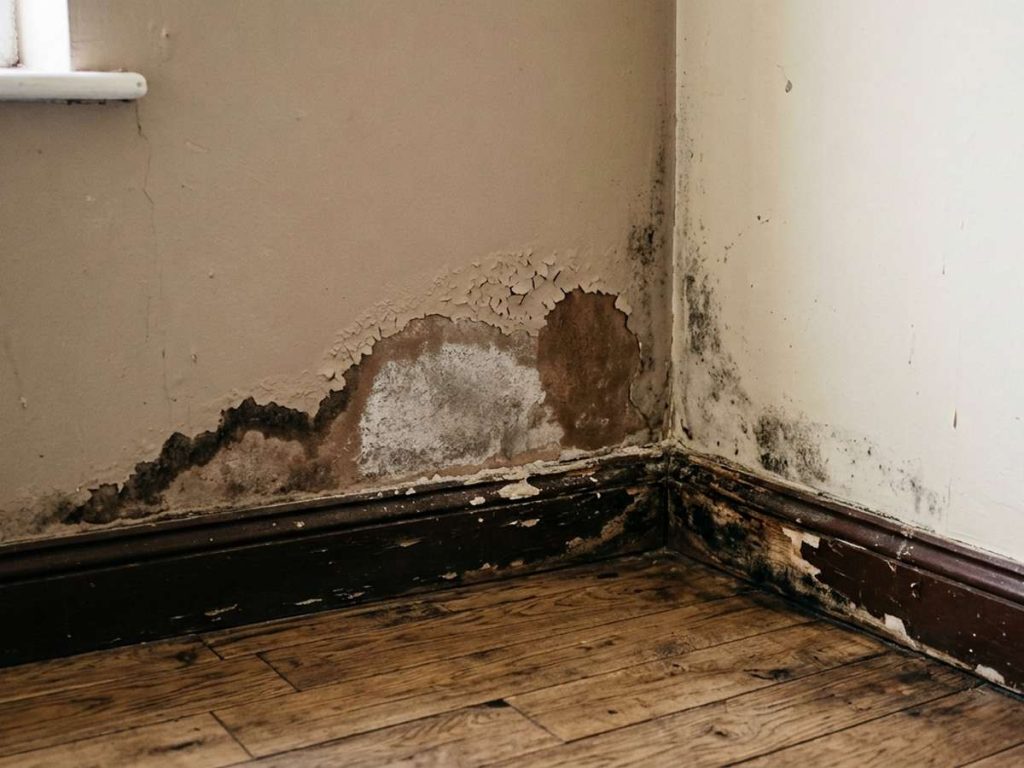
Penetrating damp occurs when water moves horizontally or downward through outer walls, reaching interior living spaces. Dublin’s exposed coastal geography and frequent driving rain make brickwork, rendered masonry, and damaged rooflines particularly vulnerable. Unlike rising damp, penetrating damp can appear at any height on a wall or ceiling, often corresponding directly to exterior structural defects. Defective gutters, cracked external render, damaged pointing, or compromised window seals allow heavy rainfall to soak deep into porous building materials, eventually showing up indoors as damp patches.
Recognizing the visual cues of penetrating damp helps homeowners take swift preventative action. Symptoms include damp patches that expand during wet weather, localized blistering of paintwork, and crumbling internal plaster far above ground level. Because Dublin weather brings high annual precipitation, water ingress rapidly worsens if exterior maintenance is ignored. Unchecked penetrating damp destabilizes timber framing, ruins insulation efficacy, and creates ideal environmental conditions for toxic black mold growth across affected walls and ceilings.
Choosing Effective Dublin Treatments
Remedial strategies must target the specific physical mechanism driving moisture ingress into a building. Treating rising damp requires installing a new chemical damp-proof course, which involves injecting siliconate fluids into masonry to form a continuous waterproof barrier. In contrast, penetrating damp requires restoring the exterior envelope through masonry repointing, render repairs, or applying breathable silicone water repellents. Applying rising damp treatments to a penetrating moisture problem wastes money without solving the issue, making accurate damp surveying essential before undertaking structural repairs.
- Rising Damp Remedies: Chemical DPC injection, vertical barrier membrane installation, salt-retardant internal plastering, and subfloor timber treatment.
- Penetrating Damp Solutions: Exterior render repair, hydrophobic masonry sealant application, wall tie replacement, and rainwater drainage maintenance.
- Property Inspections: Thermal imaging, electronic moisture profiling, and lab-based salt analysis for precise moisture origin determination.
Correcting structural dampness also involves replacing contaminated internal plasterwork with specialized render systems. Standard gypsum plaster absorbs residual hygroscopic salts left behind by groundwater, continuing to attract atmospheric moisture even after installing a dynamic DPC. Modern damp proofing services in Dublin combine physical barrier repairs with salt-resistant plaster systems to guarantee dry internal surfaces long into the future.
Understanding Dublin Weather Impact
Dublin’s climate features frequent rainfall, high relative humidity, and cold winters, creating continuous moisture challenges for residential and commercial structures. Coastal winds push heavy rains directly against exposed brick and stonework, accelerating water absorption through micro-fractures in outer walls. During winter months, trapped moisture within porous brickwork undergoes freeze-thaw cycles, causing masonry faces to spall and mortar joints to erode rapidly. This relentless environmental exposure demands robust, high-performance damp proofing materials specifically suited to Ireland’s maritime conditions.
- Driving Rain Exposure: Coastal moisture forces water deep into porous external brickwork and micro-fractures in render.
- High Atmospheric Humidity: Persistent damp air hinders natural evaporation, causing internal moisture to settle permanently on cold surfaces.
- Freeze-Thaw Weathering: Trapped wall moisture expands during freezing Dublin winters, spalling brick faces and weakening mortar structural integrity.
Understanding microclimate conditions across different Dublin neighborhoods allows specialists to tailor waterproofing solutions effectively. Suburban homes near Dublin Bay encounter salt-laden winds that degrade external coatings faster than inland properties. Meanwhile, dense urban areas with poor airflow require specialized ventilation strategies alongside structural damp proofing to mitigate combined damp and condensation issues. Factoring local atmospheric stress into building maintenance prolongs structural lifespan and safeguards internal comfort year-round.
Request a Free Quote
Dublin boasts thousands of period homes featuring traditional lime mortar, solid brick walls, and timber floor joists requiring specialized care. Modern impermeable cements and non-breathable paints seal moisture inside traditional walls, turning minor damp issues into severe timber rot and masonry decay. Remedial damp treatment for heritage structures must preserve original breathability, utilizing lime-based renders and sympathetic waterproofing techniques. Standard modern damp-proofing approaches often cause irreversible damage to historic fabric when applied without deep knowledge of traditional Irish construction methods.
Surveys conducted on historical Dublin buildings demand careful investigation to distinguish between original construction techniques and subsequent inappropriate modifications. Experienced damp specialists evaluate subfloor ventilation, historical DPC layers, and wall permeability before prescribing interventions. Preserving structural integrity while managing modern living conditions requires balancing traditional building physics with discreet, high-performance damp proofing technologies. Tailoring treatments ensures Dublin’s historic architectural heritage remains structural sound, healthy, and dry for generations to come.
Preventing Health Risks In Dublin
Uncontrolled dampness in residential properties directly threatens indoor air quality and occupant respiratory health. High relative humidity coupled with damp wall surfaces fosters rapid proliferation of Stachybotrys chartarum (black mold) and dust mites. Airborne spores trigger allergic reactions, asthma attacks, and chronic respiratory illness, particularly among young children and elderly residents in cold winter months. Resolving rising or penetrating damp eliminates the persistent moisture supply that mold colonies require to survive, establishing a clean, safe indoor living environment.
Beyond health implications, unresolved damp causes severe structural degradation that undermines property value and safety. Continuous moisture saturates structural timbers, causing dry rot (Serpula lacrymans) or wet rot that destroys floor joists and roof structures. Timely damp proofing interventions halt structural decay, protecting long-term real estate investments across the Dublin housing market. Investing in professional damp diagnostics and targeted remediation yields immediate health benefits while securing long-term building durability.

Why Choose Damp Proofing Dublin?
When you are dealing with damp, choosing a contractor should be about more than finding someone who can apply a treatment. You need a service that is prepared to investigate why the moisture is present and explain the findings clearly. Damp Proofing Dublin provides a local point of contact for homeowners and property managers dealing with suspected rising damp, penetrating damp and related moisture problems. A local approach can be useful because Dublin contains a wide variety of properties, from older traditional buildings to newer houses and apartments, each with different construction details and maintenance histories. The appropriate remedy for one property may not be suitable for another. A responsible approach therefore starts with assessing the individual building rather than assuming every damp problem requires the same solution. Clear communication is equally important, particularly when remedial work may involve both external repairs and internal restoration.
There are reasons why homeowners consider Damp Proofing Dublin for this type of work:
Local understanding
A Dublin-based service understands the variety of property types and building conditions found throughout the area.
Cause-first approach
The focus should be on identifying the moisture source before deciding what remedial work is actually necessary.
Clear explanations
Homeowners deserve to understand what is causing the damp, what needs to be repaired and why a particular treatment is recommended.
Practical solutions
Treatment can be considered in the context of the whole property rather than focusing only on the visible damp patch.
Long-term thinking
Effective damp control should aim to address the source of moisture rather than simply hide staining or damaged finishes.
Customer-focused service
Good damp proofing should leave you knowing what work is being carried out, what problem it addresses and what to expect afterwards.
For homeowners dealing with suspected damp, getting the cause identified early can help prevent further deterioration and avoid unnecessary repair costs. Whether the issue is rising damp, penetrating damp or another source of moisture, the right assessment can make the difference between a temporary cosmetic fix and a lasting solution.
Damp Proofing Dublin can provide practical guidance based on the condition of your property, helping you understand the problem and the available options. The aim is straightforward: identify the source of the moisture, recommend appropriate remedial work and help protect your Dublin property from recurring damp problems.