
Signs of Rising Damp in Dublin Properties
Rising Damp Signs
Rising Damp Stains Dublin
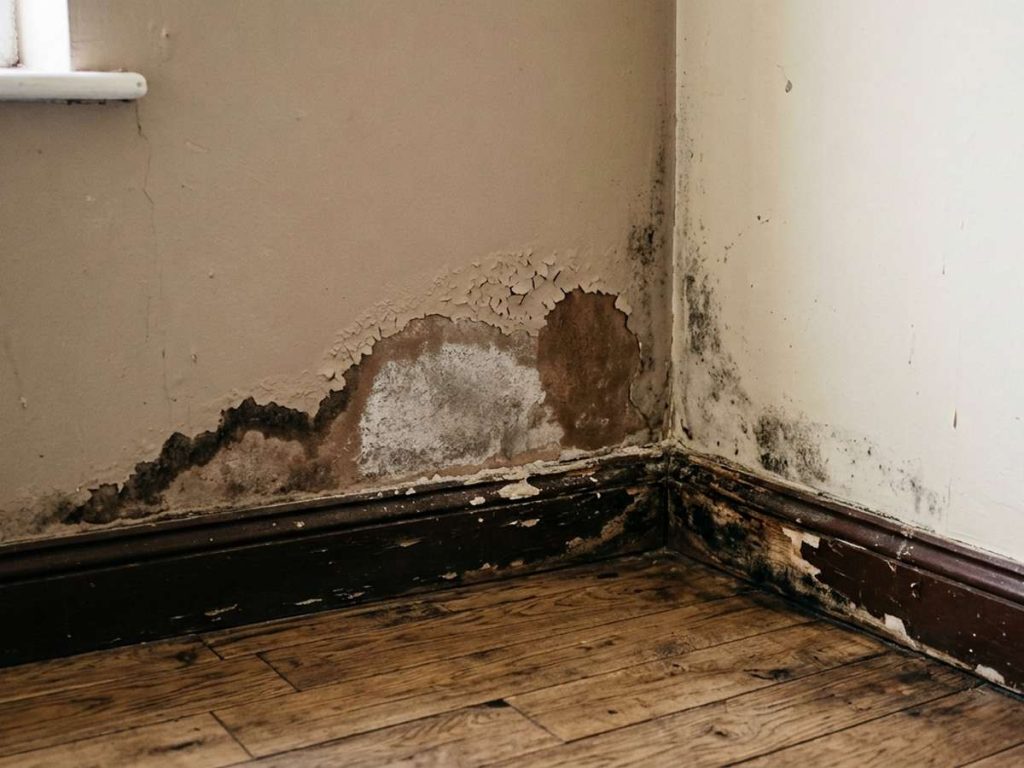
Damp staining is one of the symptoms that can make homeowners suspect rising damp. The staining may appear as darker or discoloured areas close to floor level and can sometimes form a relatively clear horizontal pattern. As moisture moves through masonry, it can affect the appearance of paint and plaster and may leave a visible tide mark. However, staining alone is not enough to diagnose rising damp. A leaking pipe, defective gutter, damaged external wall or water entering around a window can also produce damp marks. The position of the stain and the way it develops over time are therefore important. If staining is concentrated around the lower portion of a wall and is accompanied by deteriorating plaster or salt deposits, rising damp may be one possibility worth investigating. Dublin homeowners should avoid simply covering the stain with new paint, because this may hide the symptom temporarily without addressing the moisture source.
When investigating staining, it is helpful to consider both sides of the affected wall. Outside, check whether the ground, paving, render or other materials are unusually high against the wall. Look for damaged pointing, overflowing gutters, defective downpipes and other obvious routes through which rainwater could enter. Inside, consider plumbing, heating appliances, ventilation and nearby bathrooms or kitchens. Useful observations can include:
- Where the stain begins and ends
- How high the affected area extends
- Whether the staining returns after decoration
- Whether salts are visible on the surface
- Whether plaster is soft or crumbling
- Whether the opposite side of the wall shows similar damage
- Whether the area becomes worse after rainfall
These observations cannot replace a professional diagnosis, but they can provide useful information. Damp Proofing Dublin can investigate the pattern and surrounding conditions to determine whether rising damp is a likely cause.
Rising Damp Salts Dublin
White or powdery deposits on a damp wall are another sign that homeowners often associate with rising damp. These deposits are commonly known as efflorescence and can occur when moisture moves through masonry and brings soluble salts towards the surface. As the water evaporates, the salts can be left behind on the wall. You may notice a fine white powder, crystalline material or deposits concentrated around areas where plaster or paint has deteriorated. Salt contamination can be particularly troublesome because the deposits can contribute to continuing surface deterioration. In some circumstances, hygroscopic salts can also attract moisture from the surrounding air, meaning a wall may continue to appear damp even after the original moisture source has been addressed. This is one reason why simply cleaning the wall or repainting it may not provide a lasting result. The presence of salts can be useful evidence during an assessment, but it should still be considered alongside the construction and other symptoms.
Salt deposits are not exclusive to rising damp, so homeowners should be cautious about using them as proof of a particular diagnosis. Salts can be introduced into masonry from different sources, including previous contamination or other forms of moisture movement. The overall pattern is more informative than the appearance of the deposit alone. A professional assessment can consider whether the deposits are concentrated at low level, whether plaster is deteriorating, whether there is evidence of moisture entering from outside and whether a damp proof course is present or potentially bridged. In Dublin’s older properties, previous repairs and different wall construction methods can make this assessment particularly important. Damp Proofing Dublin can investigate the affected area and explain whether the salt contamination appears consistent with rising damp. Where treatment is required, the condition of contaminated plaster should also be considered rather than simply painting over the deposits.
Rising Damp Plaster in Dublin Homes
Deteriorating plaster is often one of the more noticeable consequences of persistent damp. You may see plaster becoming soft, powdery, cracked or detached from the underlying wall. Paint may blister or flake, while wallpaper can lose adhesion and begin separating from the surface. Where rising damp is present, prolonged moisture and salts can contribute to deterioration in the lower sections of walls. However, damaged plaster does not necessarily mean that rising damp is responsible. Penetrating damp, leaks and other moisture problems can cause similar deterioration. The location and pattern of the damage therefore matter. If damage repeatedly returns after the wall has been repaired and redecorated, it is worth investigating why. Replacing plaster without addressing the moisture source can result in the same problem returning. Damp Proofing Dublin can assess whether the plaster damage appears related to rising damp and whether the underlying wall also requires remedial damp proofing.
Homeowners sometimes assume that new plaster will solve a damp problem because the wall looks fresh after the work. Unfortunately, plaster is a finish rather than a solution to an active moisture source. If moisture continues entering the wall, new finishes can eventually deteriorate again. Depending on the condition of the property, remedial work may involve:
- Removing severely damaged plaster
- Addressing the source of moisture
- Treating or replacing an ineffective damp barrier
- Allowing affected masonry time to dry
- Using an appropriate replacement plaster system
- Repairing damaged skirting boards
- Completing decoration after suitable drying
The precise approach depends on the building and the diagnosis. It is also important not to rush the redecoration stage. Walls that have experienced prolonged moisture may require time to dry after the source has been controlled. Damp Proofing Dublin can explain what condition the wall is in, whether plaster replacement is necessary and what should happen before final decoration.
Request a Free Quote
Rising Damp Skirting Dublin
Skirting boards can provide another useful clue when investigating suspected rising damp. Because they are positioned at the bottom of walls, they can be exposed to moisture where damp is entering from ground level. Signs of damage may include swelling, staining, softening, crumbling or sections of timber that have deteriorated. Paint on skirting boards may also blister or peel. However, damaged skirting is not proof of rising damp. A plumbing leak, condensation, floor-level water ingress or another source of moisture can produce similar damage. It is therefore important to consider what is happening behind and around the skirting rather than replacing the timber immediately. If new skirting is installed while the underlying moisture problem remains, the replacement material may eventually suffer the same deterioration. In Dublin homes, particularly older properties, skirting and wall finishes may also have been replaced several times, making it useful to establish the history of previous repairs.
When skirting is affected, an inspection should consider the condition of the wall immediately above it as well as the floor and external wall. Damp Proofing Dublin can assess whether the skirting damage forms part of a wider pattern of rising damp or whether another source is more likely. Where damp proofing and plaster repairs are necessary, the condition of the skirting can be considered as part of the overall remedial work rather than treated as an isolated problem.
Rising Damp Diagnosis in Dublin
Seeing several of the signs described above does not necessarily mean that your property has rising damp. This is perhaps the most important point for homeowners to understand. Damp patches, peeling paint, damaged plaster, salt deposits and deteriorating skirting can all occur with different forms of moisture. Dublin City Council itself distinguishes between rising dampness, damp penetration, condensation, mould and timber decay when dealing with damp-related building problems. A proper diagnosis should therefore look at the building rather than relying on one symptom. The inspection may consider the DPC, wall construction, internal finishes, external ground levels, gutters, downpipes, drainage, plumbing and ventilation. Moisture measurements can be useful, but they should be interpreted in context. The goal is to understand where the moisture is coming from and how it is moving through the building before deciding whether remedial damp proofing is required.
If several symptoms are appearing together, it may be sensible to arrange a damp assessment rather than continuing with cosmetic repairs. This is particularly relevant when:
- Damp marks repeatedly return after painting
- Plaster continues to crumble or deteriorate
- White salt deposits keep appearing
- Skirting boards are becoming damaged
- Dampness is concentrated at low wall level
- You are unsure whether the problem is rising damp
- Previous damp treatment appears unsuccessful
- You are considering buying or renovating a property
Damp Proofing Dublin can investigate the affected areas and explain what the evidence suggests. If rising damp is confirmed, appropriate remedial options can then be considered. If the cause is condensation, penetrating damp, plumbing or another issue, identifying that instead can prevent unnecessary damp proofing work. The aim should always be to treat the actual cause rather than simply the most visible symptom.

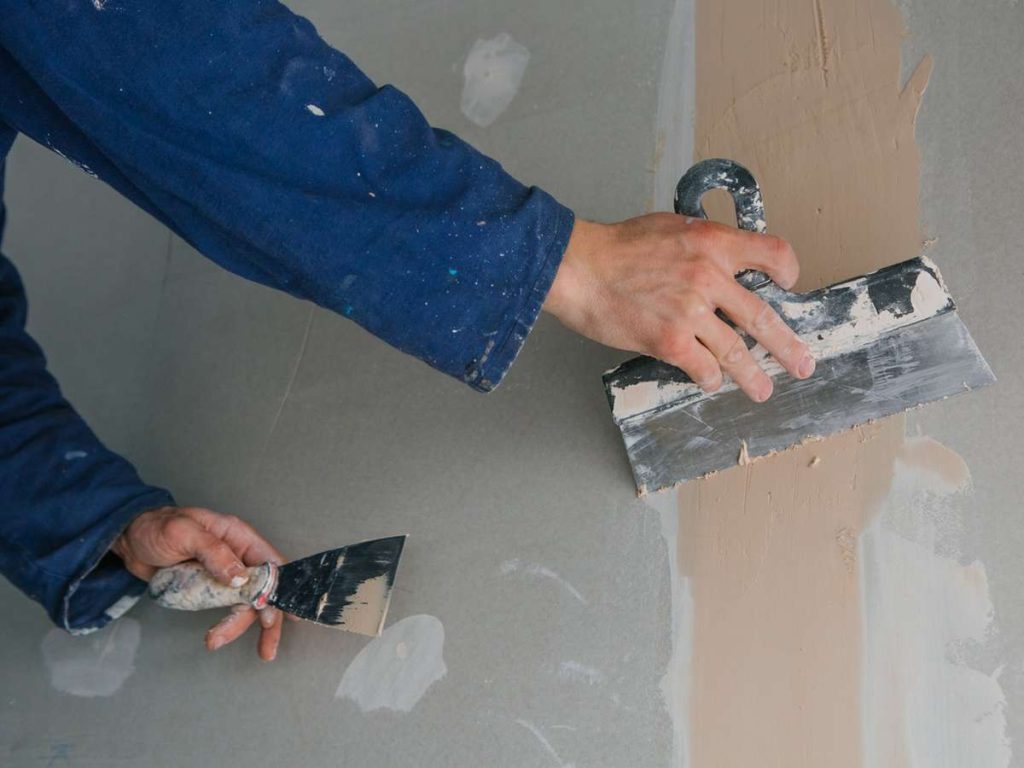
After we have damp proofed your property, we can begin to plaster it. This allows us to restore your home or business to its former self, now free of damp, mould, or anything else we found. Our skilled team work quickly and professionally, ensuring quality work every time.
Why Choose Damp Proofing Dublin?
Choosing a damp proofing company should involve more than finding someone who can install a damp proof course. When symptoms appear, homeowners need confidence that the cause has been properly considered first. Damp Proofing Dublin provides damp surveys and remedial damp-proofing services across Dublin, with its approach focused on identifying the source of moisture before recommending treatment. This is particularly important because signs such as staining, mould, peeling paint and damaged plaster can have several possible causes. A suitable treatment should relate to the actual moisture problem found at the property. For homeowners, this means being able to discuss the symptoms they have noticed, understand what an inspection has found and receive practical advice about the next steps. Whether the property is an older Dublin house, apartment, rental property or another type of building, the condition and construction should be considered before remedial work is selected.
There are six practical reasons to consider Damp Proofing Dublin when you are concerned about signs of rising damp:
Damp-Focused Assessment
The visible symptoms can be investigated alongside the wider condition of the property.
Cause Before Treatment
The aim is to establish whether moisture is actually rising from the ground before recommending remedial work.
Dublin Property Experience
Local knowledge can be useful when dealing with older properties, altered buildings and different construction types.
Clear Explanations
Homeowners can receive straightforward information about what may be causing the problem and what work may be required.
Remedial Services
Where appropriate, services can extend from damp assessment and treatment to associated plaster and remedial work.
Practical Long-Term Approach
The focus is on addressing the moisture problem rather than repeatedly covering visible stains or damaged finishes.
If you have noticed low-level damp staining, salt deposits, peeling paint, crumbling plaster or damaged skirting, it is worth finding out what is actually causing the problem. These symptoms can be associated with rising damp, but they can also have other explanations. An accurate assessment is therefore the sensible starting point. Damp Proofing Dublin can investigate the signs, explain the likely cause and advise on the appropriate next step rather than assuming that every damp wall needs the same treatment.