
What Is Rising Damp in Dublin Homes?
What Is Rising Damp?
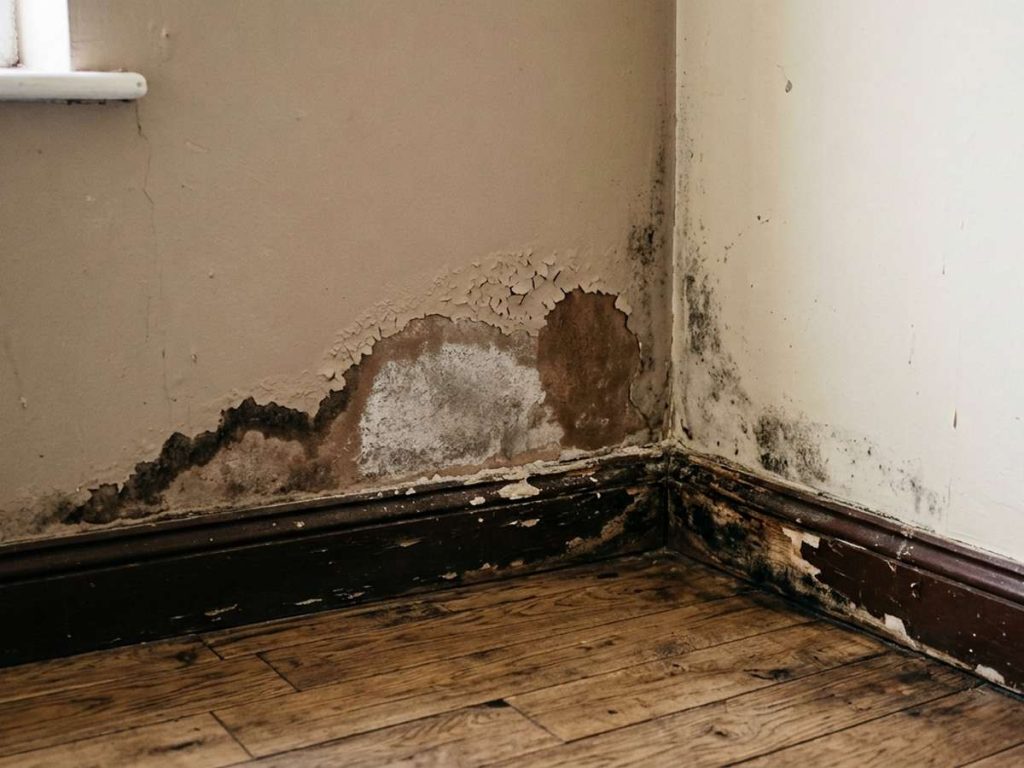
Rising Damp Causes Dublin?
The basic cause of rising damp is moisture entering masonry from the ground and moving upwards through small pores within the building material. A properly functioning damp proof course is designed to interrupt this movement. Problems can arise when a property does not have an effective DPC, when the existing barrier has been compromised, or when another material allows moisture to bypass it. External ground levels are an important consideration. Soil, paving, render or other materials positioned too high against an external wall can sometimes bridge the DPC and allow moisture to enter above the intended barrier. Defective drainage can also contribute to persistently wet masonry. In some cases, salts within the wall can make the situation more complicated because they can retain moisture and contribute to continuing deterioration of plaster. This is why painting over a damp area is rarely a reliable solution. The visible mark is only part of the problem; the source and route of the moisture need to be understood first.
It is also important to distinguish rising damp from other common moisture problems. Rain entering through damaged pointing, gutters, downpipes, roofs or external walls is generally associated with penetrating damp rather than rising damp. Condensation is caused by moisture in indoor air settling on colder surfaces and is often associated with poor ventilation or high humidity. Plumbing leaks can create isolated damp areas that may appear at either high or low levels. A Dublin property can also experience more than one of these issues at the same time. For example, a house might have low-level moisture associated with a defective DPC while also suffering from condensation in poorly ventilated rooms. This is why Damp Proofing Dublin focuses on identifying the underlying cause instead of assuming that every low-level damp mark requires the same treatment. Correct diagnosis helps prevent unnecessary work and makes it easier to choose a solution suited to the building.
Rising Damp Signs Dublin?
Rising damp commonly produces symptoms close to the bottom of internal walls. You may notice paint bubbling or flaking, wallpaper lifting, damaged plaster, stained surfaces or white, powdery deposits caused by salts. Skirting boards can also become damaged where they have been exposed to persistent moisture. In some cases, the dampness appears as a fairly consistent horizontal band along the lower part of a wall. However, buildings do not always display textbook symptoms, particularly where previous repairs or modern finishes have changed the way moisture behaves. Some damp problems can also appear much like rising damp while actually having a different source. Homeowners should therefore avoid relying on one visual symptom or a single moisture meter reading. The location, pattern and history of the damp should all be considered. If a problem repeatedly returns after repainting or repairing plaster, this is a good reason to investigate the moisture source rather than continuing with cosmetic repairs.
Some common signs worth looking out for include:
- Peeling or bubbling paint near floor level
- Damp or crumbling plaster
- White salt deposits on wall surfaces
- Damaged or deteriorating skirting boards
- A persistent musty smell
- Low-level staining that keeps returning
- Wallpaper lifting away from the wall
- Dampness concentrated around the base of masonry
These signs can indicate a moisture problem, but they cannot independently confirm rising damp. For example, penetrating damp or a plumbing leak can also cause staining and damaged finishes. Condensation and poor ventilation may contribute to mould or surface dampness in the same room. A proper assessment therefore considers both internal and external conditions. Damp Proofing Dublin can examine the affected areas and look for evidence of DPC problems, bridging, drainage issues and other potential moisture sources. The objective is to establish what is actually happening before recommending remedial work. This approach is particularly useful for Dublin homeowners who may have inherited previous damp repairs or are unsure whether an existing treatment has solved the original problem.
Rising Damp Damage Dublin?
Persistent moisture can gradually affect plaster, paint, wallpaper, skirting boards and other finishes. Salts within damp masonry can contribute to plaster deterioration and may cause newly decorated surfaces to deteriorate again if the underlying problem has not been addressed. Timber components can also be affected when they remain exposed to excessive moisture for long periods. However, the presence of damp does not automatically mean that a building has suffered serious structural damage. The severity depends on the source of moisture, the construction of the property, the amount of water entering the wall and how long the problem has been present. This distinction matters because homeowners can sometimes be concerned that visible damp automatically means extensive building damage. A professional inspection can establish the likely extent of the problem and identify which materials actually require attention. For Dublin properties, this can be especially important in older buildings where traditional construction and later modifications may influence how moisture moves through walls.
Another consideration is what happens after the source of moisture has been controlled. A wall that has been damp for a long time will not necessarily become completely dry immediately. Masonry and plaster can retain moisture, while salts can continue affecting finishes after the original source has been addressed. Depending on the condition of the wall, remedial work may therefore involve more than installing or repairing a moisture barrier. Possible considerations include:
- Removing badly damaged or contaminated plaster
- Allowing affected masonry adequate drying time
- Repairing defective external finishes
- Correcting high external ground levels
- Improving ventilation where appropriate
- Repairing gutters, downpipes or drainage
- Replacing unsuitable wall finishes
- Redecorating after the wall has sufficiently recovered
The correct sequence depends on the property and the cause of the damp. Completing decoration too quickly can sometimes lead to further deterioration and repeated expense. Damp Proofing Dublin can explain what needs to happen before, during and after treatment so that homeowners have realistic expectations about drying and reinstatement.
Request a Free Quote
Rising Damp Treatment Dublin?
Treatment for rising damp should be based on the cause and construction of the property rather than automatically applying the same method to every building. Where a defective or bridged DPC is confirmed, remedial damp proofing may be appropriate. Depending on the circumstances, this could involve installing or restoring a moisture barrier, addressing bridging, correcting external ground levels or carrying out associated repairs. Damaged plaster may also need attention where it has been affected by salts or prolonged moisture. It is important that any proposed treatment is connected to an identified moisture problem. A chemical injection, for example, should not simply be recommended because a wall is damp without considering other possible causes. The construction of the wall, its thickness, previous repairs, access and external conditions can all influence the appropriate solution. Damp Proofing Dublin can assess the property and explain why a particular approach is being recommended, helping homeowners understand what they are paying for and what the treatment is intended to achieve.
A thorough inspection should look beyond the visible damp patch. The assessment may consider the DPC, external ground levels, gutters, downpipes, drainage, plumbing, ventilation and the condition of internal finishes. Previous remedial work should also be taken into account because older treatments can sometimes affect later moisture behaviour. Moisture readings may be useful as part of the investigation, but they should be interpreted alongside the construction and condition of the building rather than treated as conclusive on their own. Once the likely cause has been established, homeowners should receive a clear explanation of the recommended work. This should include what preparation is needed, whether plaster needs to be removed, how the affected areas will be restored and how long drying may take. For Dublin homes, a property-specific approach is preferable because two houses with apparently similar damp patches may have completely different causes. Proper diagnosis helps ensure that treatment addresses the underlying problem rather than simply covering its visible symptoms.

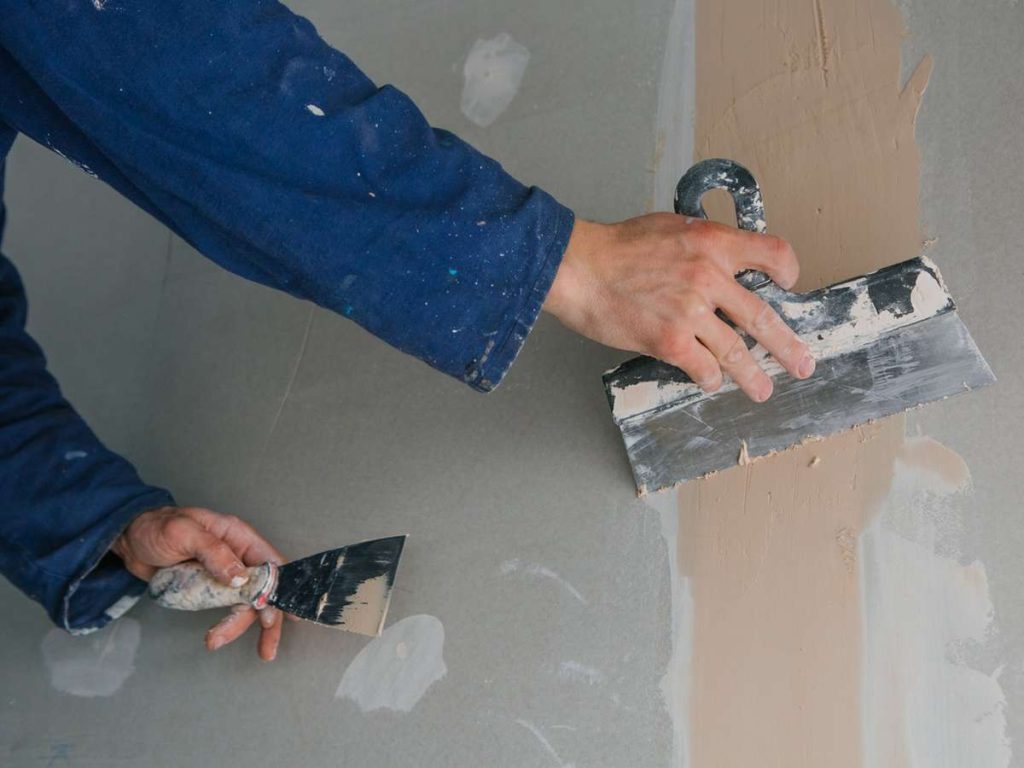
After we have damp proofed your property, we can begin to plaster it. This allows us to restore your home or business to its former self, now free of damp, mould, or anything else we found. Our skilled team work quickly and professionally, ensuring quality work every time.
Choosing Damp Proofing Dublin
Choosing a damp proofing contractor is about more than finding someone who can treat a damp wall. Homeowners should want to know whether the contractor has considered alternative causes and whether the recommended work is actually appropriate. Damp Proofing Dublin takes a diagnosis-first approach, looking at the symptoms and the surrounding building before recommending remedial work. This can be particularly valuable where a property has undergone extensions, renovations or previous damp treatments. A solution that worked for one building may not be suitable for another. The aim is to understand the moisture source, explain the findings clearly and recommend practical work based on the individual property. Customers should also be able to understand what the treatment is expected to achieve and what happens afterwards. Good communication is particularly important when plaster removal, drying periods or additional repairs are involved, because homeowners need to plan around the work rather than discovering these requirements after treatment has started.
There are several practical reasons a Dublin homeowner may choose Damp Proofing Dublin for rising damp assessment and remedial work:
Local Property Experience
Familiarity with different Dublin property types can help when assessing older and altered buildings.
Cause-Focused Assessment
The priority is identifying the moisture source before recommending treatment.
Clear Recommendations
Homeowners can understand what work is proposed and why it is considered necessary.
Practical Remedial Work
Treatment can take account of the wall, plaster, external conditions and other contributing factors.
Realistic Expectations
Customers can receive guidance about drying, plaster repairs and when redecoration should take place.
Long-Term Thinking
The focus is on controlling the underlying moisture problem rather than simply disguising damp marks.