
Damp Proofing in Rathgar
Rathgar Damp Proofing Professionals
Damp problems can be particularly challenging in older Rathgar properties because many of the area’s homes were built using traditional construction methods and have been altered over the years.
Rathgar is well known for its red-brick period houses, Victorian and Edwardian terraces, larger family homes and properties with raised or garden-level basements. Along Rathgar Road and surrounding residential streets, there are numerous 19th-century terraces, while properties around areas such as Brighton Road, Garville Road and Kenilworth Square demonstrate the variety of period housing found throughout Rathgar.
At Damp Proofing Dublin, we provide specialist damp surveys and remedial treatments for homeowners, landlords, property managers and businesses throughout Rathgar.
Our services include rising damp treatment, damp proof course installation, basement tanking, structural waterproofing, specialist re-plastering and mould removal. The appropriate treatment will always depend on the cause of the damp and the construction of the individual property.
If you have noticed damp patches, mould, peeling paint, damaged plaster, salt deposits or a musty smell in your Rathgar property, we can assess the problem and help identify the underlying cause.
Damp Problems in Rathgar Building
Many Rathgar houses were built long before modern building standards and moisture-control systems were introduced. Older properties can have solid masonry walls, timber floors, basements, chimneys and traditional plaster finishes, all of which can influence how moisture moves through a building.
Over the years, many of these properties have also been renovated or converted. Basements may have been turned into kitchens, bathrooms, bedrooms or living spaces, while rear extensions, new plumbing, insulation and replacement windows can all change the way a building deals with moisture.
This means that the visible damp patch is not necessarily where the problem starts.
For example, moisture at the bottom of an internal wall could be associated with rising damp, but similar staining can also result from penetrating damp, plumbing leaks, condensation or problems with external drainage.
That is why we recommend investigating the cause before deciding on a treatment.
Rising Damp in Rathgar Houses
Rising damp is a potential concern in older Rathgar properties, particularly where a damp-proof course is missing, damaged or has become bridged.
Moisture from the ground can move into porous masonry and affect the lower sections of walls. Properties with older solid walls and ground-floor or basement accommodation can require particular care when investigating suspected rising damp.
Common signs can include:
- Damp staining along the lower part of a wall
- Flaking, blistering or damaged paint
- Crumbling or deteriorating plaster
- White or powdery salt deposits
- Damaged skirting boards
- A persistent musty smell
- Walls that repeatedly feel damp
- Mould appearing close to the lower sections of walls
These symptoms do not automatically mean that rising damp is the cause.
A leaking pipe, defective guttering, penetrating damp or condensation can create similar symptoms. Treating the wall without establishing the cause can therefore result in unnecessary work.
At Damp Proofing Dublin, we assess the property and investigate the likely source of the moisture before recommending the appropriate remedial treatment.
Penetrating Damp in Rathgar Period Properties
The external condition of a period property can have a major influence on internal damp.
Rathgar’s older brick houses depend on the external building envelope to protect the interior from Dublin’s weather. As properties age, defects can develop in pointing, brickwork, roof coverings, gutters, downpipes and around windows.
Penetrating damp can potentially be associated with:
- Deteriorated or defective pointing
- Damaged brickwork
- Leaking gutters and downpipes
- Defective roof coverings
- Chimney problems
- Failed seals around windows
- Cracks or gaps in external walls
- Defective junctions around extensions
- Water entering around basement areas
The location of the internal staining can provide useful clues. Damp around a chimney breast, beneath a window, near an external wall or on an upper floor may require a different investigation from moisture appearing along the bottom of a ground-floor wall.
Our damp surveys are designed to help establish what is causing the moisture before remedial work is recommended.
Request a Free Quote
Basement Damp Proofing in Rathgar
One of the features that makes many Rathgar properties different from modern houses is their basement or garden-level accommodation.
A number of the area’s Victorian and Edwardian houses were constructed with raised or lower-ground-floor areas. These spaces may originally have been used for kitchens, storage and service accommodation, but many have since been converted into bedrooms, offices, bathrooms, utility rooms and living areas.
Because basements are partly or completely below ground level, they can be particularly vulnerable to water ingress and moisture problems.
Signs of basement damp can include:
- Damp or wet patches on basement walls
- Water staining
- White efflorescence or salt deposits
- Peeling paint or damaged plaster
- Mould growth
- A persistent musty smell
- Moisture entering after periods of heavy rainfall
- Water appearing through walls, floors or joints
Dublin City Council’s Brighton Road case study in Rathgar illustrates how moisture problems can occur in this type of property, with a garden-level basement experiencing moisture ingress and mould alongside limited natural heat and sunlight.
At Damp Proofing Dublin, we can assess basement moisture and recommend appropriate waterproofing or damp-proofing measures based on the construction and condition of the property.

Structural waterproofing is designed to prevent water ingress through below-ground structures, while basement tanking can provide a waterproofing system for walls and other areas vulnerable to water penetration.
Damp Proofing Dublin provides basement tanking and structural waterproofing for properties throughout Rathgar and Dublin.
These services can be particularly relevant to homeowners who have converted previously unused basement or garden-level spaces into habitable accommodation.
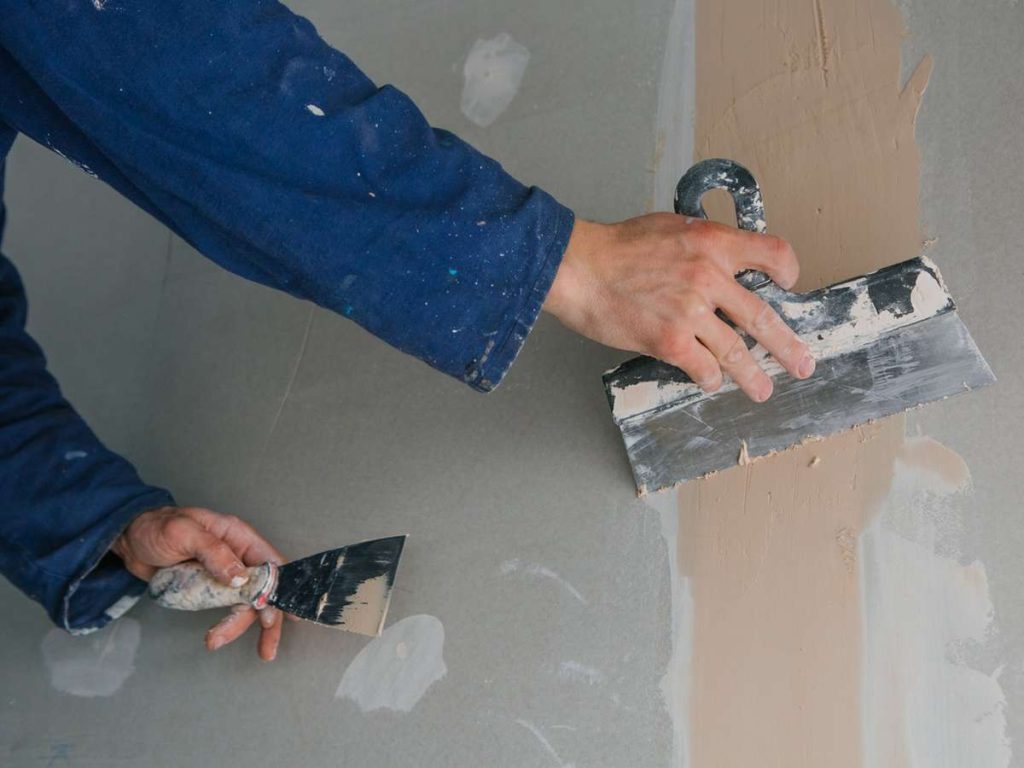
Damp can cause significant damage to internal plaster. Even after the source of moisture has been addressed, damaged or contaminated plaster may need to be removed and replaced.
Our services can include re-plastering following damp proofing and remedial work. The objective is to restore affected walls and provide a suitable finish once the underlying damp problem has been treated.
It is important that re-plastering is considered as part of the wider damp treatment process rather than simply covering visible signs of moisture.
Local Damp Proofing for Rathgar Properties
Whether you own a Victorian terrace on Rathgar Road, a period home around Brighton Road or Garville Road, a property near Kenilworth Square, or a more recently developed home around Rathgar Village, damp problems need to be assessed according to the individual building.
Older Rathgar houses can present very different moisture-related problems from newer properties.
A ground-floor wall showing salt deposits may require an investigation for rising damp. A stained upper-floor wall could indicate penetrating damp from a roof, chimney or gutter. A darkened basement wall may require investigation for water ingress, while mould around windows could be related to condensation.
The right treatment starts with identifying the cause.
Damp Proofing Dublin provides damp surveys and remedial damp-proofing services throughout Rathgar and the surrounding Dublin 6 area.
If you are seeing damp patches, mould, peeling plaster, staining, salt deposits or signs of water entering your Rathgar property, contact Damp Proofing Dublin to arrange an assessment.