
Damp Proofing in Howth
Damp Proofing Specialists in Howth
Damp problems can affect properties of all ages, but Howth has a particularly varied housing character. The area contains historic cottages, traditional village houses, Victorian and Edwardian properties, detached and semi-detached homes, bungalows and more modern houses, with many older properties having been extended, renovated or adapted over the years.
Howth’s position on the coast also makes the local environment an important consideration when investigating damp. Properties around Howth Harbour, the village, Balscadden, Howth Hill and the surrounding residential roads can be exposed to wind-driven rain, coastal weather and prolonged periods of wet conditions, making the condition of roofs, walls, pointing, gutters, windows and other external surfaces particularly important.
At Damp Proofing Dublin, we help homeowners, landlords and property professionals identify the source of damp before recommending the appropriate treatment. Our services include damp surveys, rising damp treatment, damp-proof course injection, basement tanking, structural waterproofing and specialist re-plastering.
If you have noticed damp staining, mould, peeling paint, damaged plaster, salt deposits or a persistent musty smell in your Howth property, investigating the underlying cause is an important first step.
Damp Problems in Howth Homes
Howth’s residential architecture reflects the area’s long history as a coastal settlement. Around the village and peninsula there are traditional cottages and older houses alongside Victorian and Edwardian properties, larger detached homes, bungalows and more recent residential development.
Older properties can require particular care when investigating damp because traditional masonry, solid walls, older plaster, timber elements, chimneys and previous repairs can all influence how moisture moves through a building. Renovations and extensions can introduce additional junctions where water ingress may occur or change the way the property manages internal humidity.
The coastal environment can also make external maintenance particularly important. Damaged pointing, defective gutters, leaking downpipes, roof problems, deteriorated render and failed seals around windows can allow rainwater to enter a property, while wind-driven rain can expose weaknesses that may not be obvious during dry weather.
For this reason, a damp patch should not automatically be assumed to be rising damp. The position of the moisture, the construction of the property and the condition of the external envelope all need to be considered when determining the likely source.
Rising Damp in Howth Properties
Rising damp occurs when moisture from the ground travels upwards through porous masonry. Where a damp-proof course is missing, damaged, bridged or no longer effective, moisture can reach the lower sections of walls and potentially cause damage to plaster, paintwork, timber and other materials.
This can be relevant to some of Howth’s older properties, particularly where original construction methods differ from modern buildings or where changes have been made to external ground levels around the property.
Damp appearing towards the bottom of a wall, deteriorating plaster, peeling paint, salt deposits and damaged skirting boards can all justify further investigation. However, these symptoms can also occur because of penetrating damp, plumbing leaks or condensation.
Damp Proofing Dublin can assess suspected rising damp and determine whether a remedial damp-proof course, DPC injection or another approach is appropriate for the property.
Penetrating Damp in Coastal Howth Properties
Penetrating damp can be an important consideration in Howth because properties are exposed to the coastal weather conditions associated with the peninsula. Rainwater can enter through damaged roofs, defective gutters, deteriorated pointing, external walls, chimney areas, windows and other openings when the building envelope is no longer providing adequate protection.
This can be particularly relevant to older cottages and period houses where external materials have weathered over many years. Traditional masonry, older roof coverings and timber windows can all require appropriate maintenance to prevent moisture entering the building.
The location of internal staining can provide useful clues. Damp around a window, chimney breast, ceiling, upper-floor wall or extension junction can have a very different cause from moisture concentrated along the bottom of a ground-floor wall.
Damp Proofing Dublin can investigate suspected penetrating damp and water ingress and recommend appropriate remedial work based on the construction and condition of the property.
Condensation and Mould in Howth Homes
Not all moisture problems in Howth are caused by rainwater or groundwater. Condensation can occur when warm, moisture-laden air comes into contact with colder surfaces, particularly around windows, external walls, bathrooms, kitchens and areas with insufficient ventilation.
This can become more noticeable in older properties that have been modernised. Replacement windows, insulation, extensions and changes to heating or ventilation can alter how moisture is distributed within the house.
Mould that repeatedly returns after cleaning may therefore indicate an ongoing moisture problem rather than simply a surface-cleaning issue. Understanding whether condensation, penetrating damp, rising damp or another source is responsible can help determine the appropriate remedial approach.
Damp Proofing Dublin can investigate moisture and mould problems and provide remedial services including mould removal and specialist re-plastering where affected surfaces have deteriorated.
Request a Free Quote
Basement and Lower-Level Damp Proofing in Howth
Howth’s varied topography means that some properties are positioned on sloping ground, while individual homes may contain lower-ground rooms, garages, converted spaces or areas that sit partially below external ground level.
These spaces can be vulnerable to moisture entering through below-ground walls, floors and joints. Water ingress can lead to damp staining, mould, efflorescence, damaged plaster and persistent musty smells, particularly where external ground conditions allow water to collect against the structure.
Where water is entering a lower-level area, conventional damp proofing may not be sufficient. Depending on the construction and intended use of the space, basement tanking or structural waterproofing may be required.
Damp Proofing Dublin provides basement tanking and structural waterproofing solutions designed to help protect below-ground areas against water penetration. The appropriate system depends on the source of the moisture, the construction of the building and the condition of the affected area.
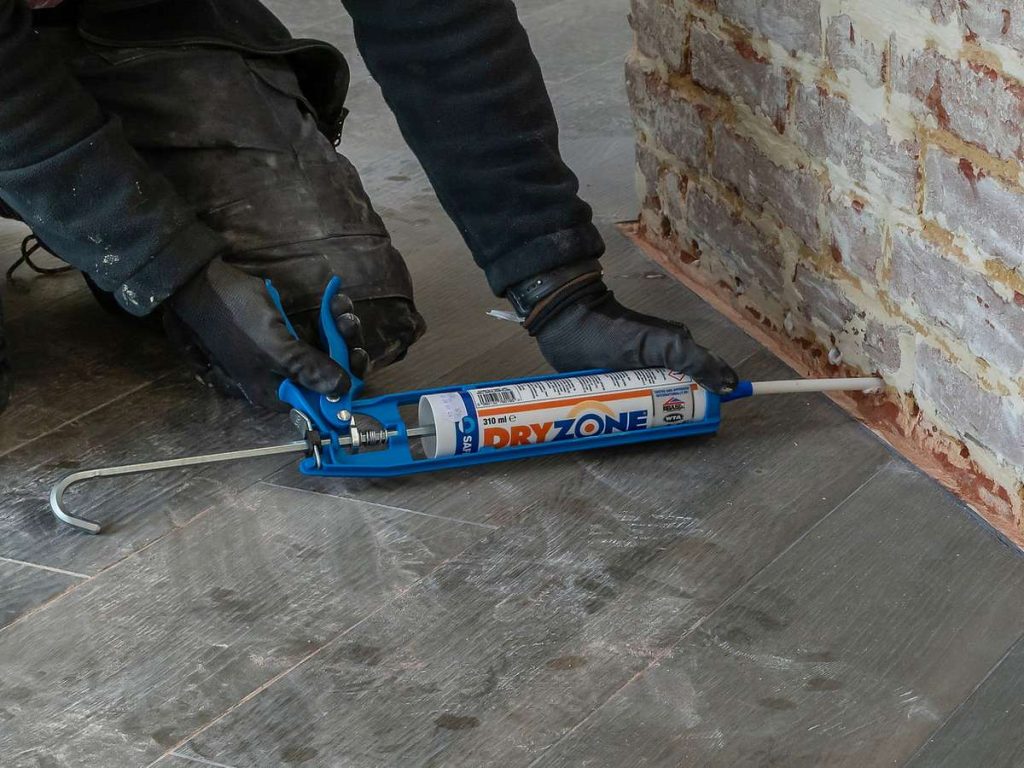
At Damp Proofing Dublin, we provide professional damp proof course and DPC injection services for properties throughout Dublin.
Our experienced team can assess suspected rising damp, identify potential problems with the existing damp-proofing and recommend an appropriate remedial solution.
DPC injection can be an effective method of creating or restoring a moisture barrier within affected walls. However, the correct treatment depends on the construction and condition of the property, which is why proper assessment is an important first step.
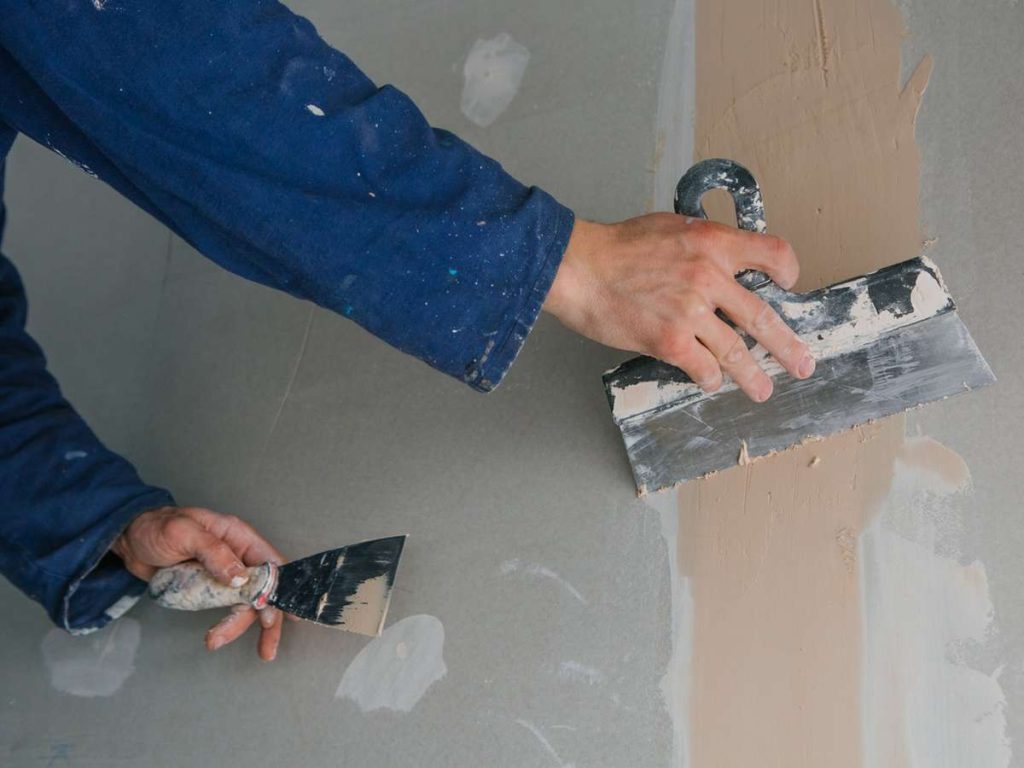
Damp can cause significant damage to internal plaster. Even after the source of moisture has been addressed, damaged or contaminated plaster may need to be removed and replaced.
Our services can include re-plastering following damp proofing and remedial work. The objective is to restore affected walls and provide a suitable finish once the underlying damp problem has been treated.
It is important that re-plastering is considered as part of the wider damp treatment process rather than simply covering visible signs of moisture.
Local Damp Proofing in Howth
Damp can be particularly frustrating when the same stain, mould or damaged plaster continues to return after decorating. The key is to establish where the moisture is coming from before deciding which treatment is appropriate.
Whether you own a traditional cottage close to Howth village, a period house around the harbour, a detached property on the slopes of Howth Hill, a bungalow or a modernised coastal home, the appropriate damp treatment will depend on the individual property’s construction, condition and source of moisture.
Howth’s combination of older properties, coastal exposure and sloping sites means that damp can develop for very different reasons from one building to another. A problem affecting an older cottage may require a different approach from water ingress affecting a modern detached house or condensation developing in a renovated property.
Damp Proofing Dublin provides damp surveys and remedial damp-proofing services throughout Howth and the surrounding Dublin 13 area. We can help with rising damp, penetrating damp, damp-proof course treatment, water ingress, basement damp, basement tanking, structural waterproofing and specialist re-plastering.
If you have noticed damp patches, mould, peeling paint, damaged plaster, salt deposits or signs of water entering your Howth property, contact Damp Proofing Dublin to arrange an assessment and establish what may be causing the problem.