
Damp in Georgian Dublin Houses
Dublin Georgian Houses And Damp
Dublin Georgian Walls Explained
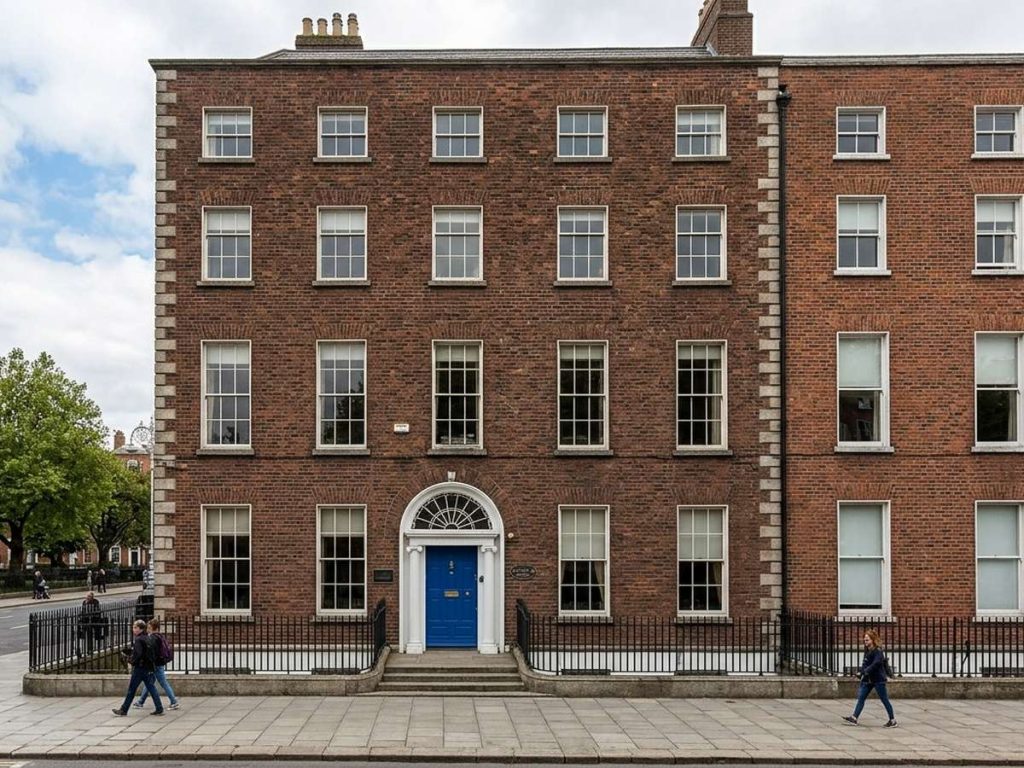
Georgian walls are typically solid masonry walls rather than modern cavity walls. These walls were designed to absorb and release moisture gradually, often using lime-based mortars and plasters that allow water vapour to move through the building fabric. This breathable construction can work effectively when the original materials remain in place and external moisture is properly managed. Problems can arise when modern impermeable materials are added. Cement renders, waterproof coatings and some modern paints can reduce evaporation and change how moisture behaves within the wall. This may lead to damp patches, peeling finishes or trapped moisture that appears to resemble rising damp. Dublin conservation guidance often stresses that repairs to historic buildings should be compatible with the original construction to avoid unintended consequences. For Georgian homes, understanding how the wall was intended to function can be an important part of diagnosing damp correctly.
When investigating moisture in Georgian walls, it is useful to consider both the building materials and the wider environment. Moisture problems can be influenced by:
- Solid masonry wall construction.
- Lime mortar and traditional plasters.
- External ground levels.
- Drainage and rainwater disposal.
- Previous cement rendering or coatings.
- Changes made during renovations.
These factors can interact in complex ways, particularly in older Dublin properties that have been altered several times. A wall that originally performed well may behave differently after later repairs or alterations. Damp Proofing Dublin can assess the construction and visible symptoms before recommending treatment. This approach helps identify whether damp is related to rising moisture, external defects, trapped moisture or another source entirely. Understanding the wall is often the key to selecting repairs that are effective and sympathetic to the building.
Dublin Georgian Rising Damp
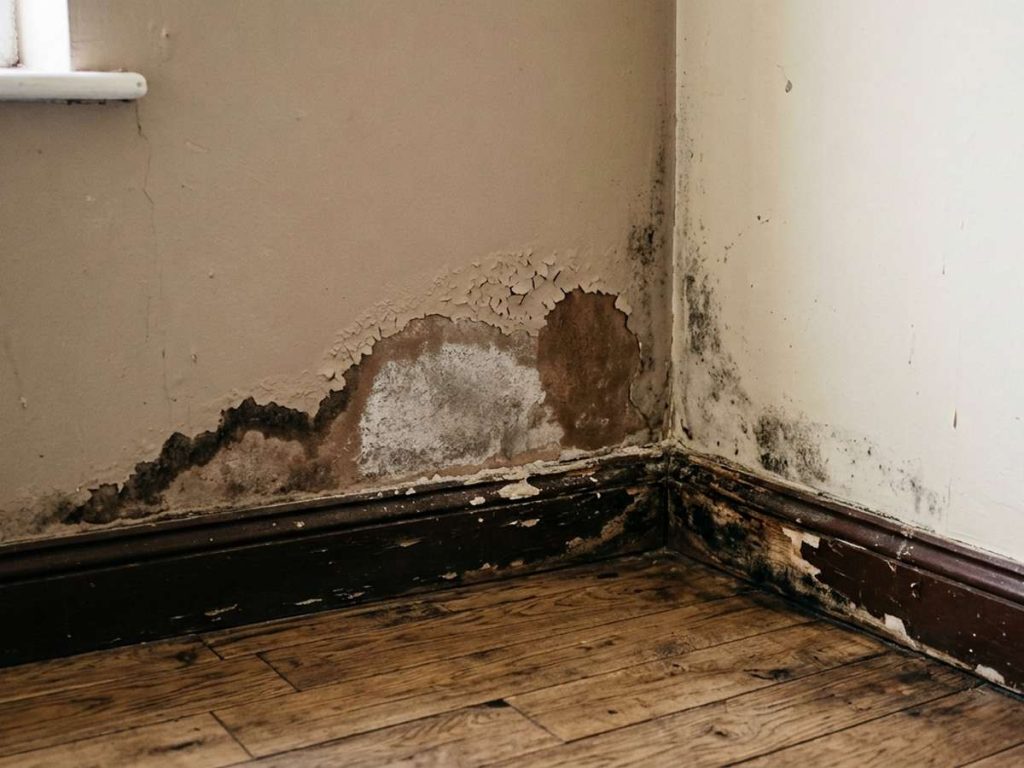
Rising damp is one of the moisture problems most commonly discussed in relation to Georgian houses, but it should not automatically be assumed whenever damp appears at low level. Some Georgian buildings may have no original damp-proof course, while others may contain physical barriers or altered construction details that affect moisture movement. In addition, external ground levels, drainage issues and bridging can allow moisture to bypass existing protection. Damp symptoms such as salt deposits, peeling paint and damaged plaster may indicate rising moisture, but they can also result from other causes. Dublin City Council guidance on traditional buildings emphasises the importance of distinguishing rising damp from condensation, penetrating damp and other moisture sources before remedial treatment is selected. This is especially relevant in Georgian properties because inappropriate work can affect original materials and may fail to solve the actual problem.
A careful assessment should therefore consider the whole building rather than focusing only on the visible stain. Questions worth asking include whether external ground levels have changed, whether gutters or drainage systems are functioning correctly and whether modern finishes are trapping moisture within the wall. It is also important to look at the location and pattern of the damp. Moisture concentrated at lower wall levels may justify further investigation, but it should not be treated as conclusive evidence on its own. If rising damp is confirmed, remedial work may involve a damp-proof course, plaster replacement or correction of external factors. If another issue is responsible, different repairs may be more appropriate. Damp Proofing Dublin can investigate these possibilities and explain the findings clearly, helping homeowners understand the source of moisture before committing to remedial work.
Dublin Georgian Water Ingress
Penetrating damp can be a significant issue in Georgian houses because the external envelope of the building plays an important role in keeping moisture out. Roof coverings, gutters, downpipes, chimneys, flashings and pointing all contribute to rainwater management. If these elements become damaged or poorly maintained, water can enter the structure and create damp internally. Dublin’s climate, with frequent rainfall and periods of wind-driven rain, can expose weaknesses in external building maintenance. Moisture entering through external defects may appear on walls, around windows, near chimneys or beneath roof details. Because Georgian houses are often larger and more complex than modern homes, water can travel considerable distances before becoming visible indoors. This can make diagnosis more challenging. Damp Proofing Dublin can assess both internal symptoms and external conditions to identify whether rainwater ingress is contributing to the damp problem.
When considering penetrating damp in Georgian properties, attention should be given to the following areas:
- Roof coverings and flashings.
- Gutters and downpipes.
- Chimneys and parapet walls.
- Cracked pointing or masonry.
- Defective window seals.
- Drainage around the building.
Small defects can sometimes lead to significant moisture problems if they remain unresolved over time. Internal replastering or decoration alone will not correct damp caused by water entering from outside. Identifying and repairing the source is therefore the priority. Damp Proofing Dublin can help determine whether external defects are responsible and advise on the appropriate sequence of repairs. Addressing water ingress early can help protect both the structure and the original features that make Georgian houses distinctive.
Request a Free Quote
Dublin Georgian Repairs Matter
Repair methods are particularly important in Georgian houses because inappropriate materials can alter how the building manages moisture. Traditional construction relied on breathable materials that allowed moisture to evaporate naturally. Introducing dense cement renders, impermeable coatings or unsuitable plasters can interfere with this process and potentially trap moisture within the wall. This does not mean modern materials are always inappropriate, but repairs should take account of the existing construction and the cause of the damp. Dublin conservation guidance consistently encourages compatible repairs that respect historic building fabric. For homeowners, this means that damp treatment should be part of a wider understanding of the building rather than an isolated repair. The objective is to reduce moisture while preserving the long-term condition of the property.
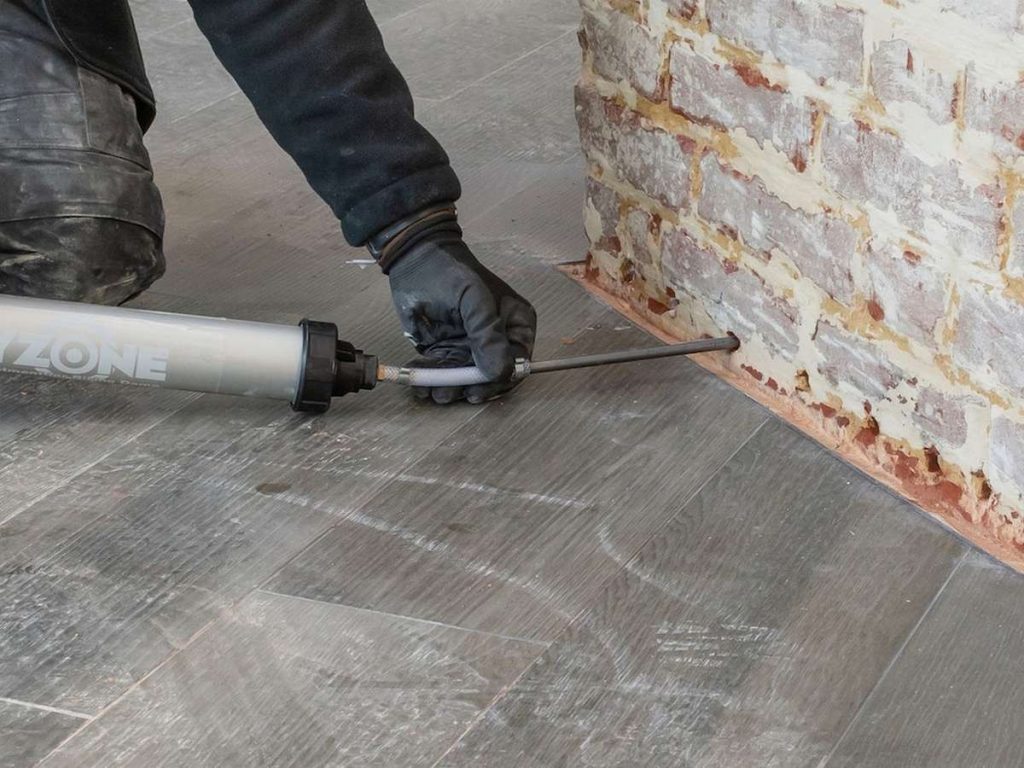
A successful repair strategy should therefore begin with diagnosis. The type of wall, floor construction, external conditions and previous alterations all provide useful information. A damp-proof course may be appropriate in some cases, while drainage improvements, external repairs or sympathetic replastering may be more relevant in others. Georgian houses often contain a combination of original and modern elements, making every property slightly different. Damp Proofing Dublin can assess these factors and explain the available options in practical terms. By matching the treatment to the building, homeowners can reduce the risk of recurring damp while protecting the character and materials that make Georgian properties unique.
Dublin Georgian Damp Prevention
Preventing damp in a Georgian house often involves regular maintenance as much as remedial work. Keeping gutters clear, repairing external defects promptly and managing drainage can reduce the amount of moisture reaching the building. Because traditional walls can absorb and release moisture differently from modern construction, maintaining the external envelope is particularly important. Regular inspections of roofs, chimneys, rainwater goods and external masonry can help identify issues before they become more serious. Homeowners should also be cautious when introducing modern materials or carrying out renovations, as changes that appear minor can sometimes alter how moisture behaves. Good maintenance can often prevent small defects from becoming larger damp problems.
Long-term moisture management should consider the property as a whole. Ventilation, heating, drainage, wall finishes and external ground levels all influence the building’s performance. Georgian houses can remain comfortable and durable when these elements work together effectively. Damp Proofing Dublin can provide practical advice tailored to the individual property, helping homeowners understand both immediate repairs and ongoing maintenance. The goal is not simply to remove visible signs of damp but to support the building’s natural performance and reduce the likelihood of future moisture problems. A considered approach can help preserve the structure, appearance and character of Dublin’s Georgian homes for many years.
Why Choose Damp Proofing Dublin?
Georgian houses require an approach that considers both the building’s historic construction and the practical need to solve moisture problems effectively. Damp Proofing Dublin can assess the likely source of damp while taking account of traditional walls, previous alterations, drainage and external conditions. This is important because moisture in a Georgian property can have several contributing factors, and treating only the visible symptoms may not provide a lasting solution. Understanding how the building works is often the best starting point when selecting suitable repairs.
There are reasons why homeowners consider Damp Proofing Dublin for this type of work:
Experience with Dublin properties
Knowledge of Georgian and traditional buildings across Dublin.
Diagnosis before treatment
Investigation of the moisture source before recommending work.
Sympathetic solutions
Repairs suited to traditional construction and original materials.
Whole-building approach
Consideration of walls, drainage, ground levels and external defects.
Clear explanations
Practical advice on causes, treatments and maintenance.
Long-term focus
Aiming to reduce recurring moisture problems rather than provide temporary fixes.
Georgian houses are a valuable part of Dublin’s built heritage, and moisture problems should be approached with care and understanding. Damp Proofing Dublin can help homeowners identify the source of damp and select appropriate remedial work while respecting the character of the property. By considering traditional construction alongside modern maintenance needs, it is often possible to address moisture effectively while preserving the building’s original materials and features for the future.